
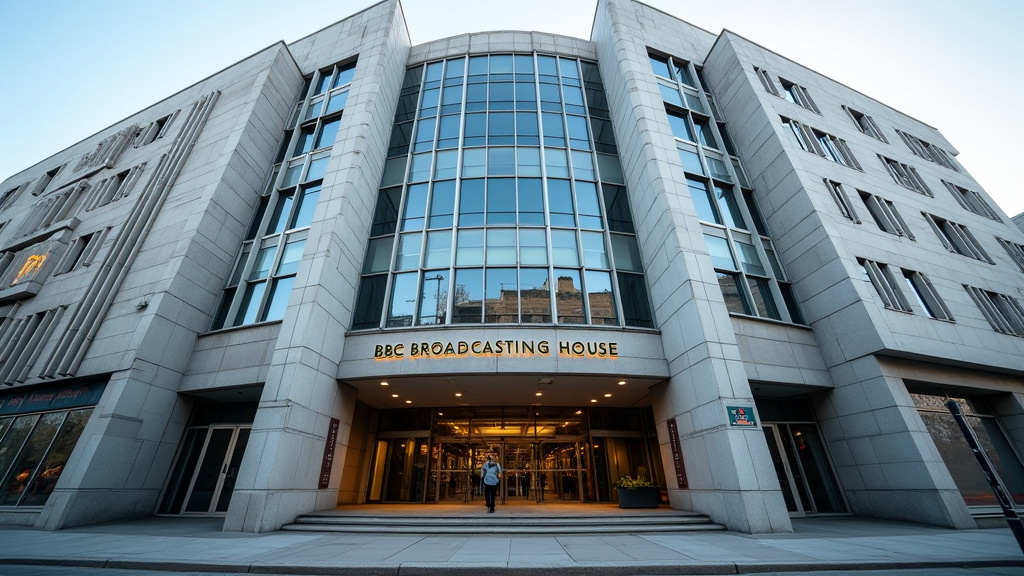
The BBC has officially announced a targeted reduction of 100 roles within its News division, a development that underscores the corporation’s ongoing struggle to align fiscal responsibility with its extensive public service mandate. This structural adjustment, designed to achieve £5.5 million in cost-saving measures, arrives at a critical juncture for the broadcaster as it pivots toward a digital-first operational model.
Key Highlights
- 100 Jobs at Risk: The BBC News division is set to undergo a reduction of 100 roles as part of a streamlining process.
- £5.5 Million Savings: The restructuring initiative is specifically tied to a £5.5 million cost-saving target aimed at balancing the books.
- Digital Pivot: These cuts reflect the organization’s wider effort to transition resources from traditional linear broadcasting toward digital news platforms and audience-focused content.
- Organizational Strain: The move highlights the persistent financial pressures facing the BBC in an era of frozen licence fees and rising inflation.
The Anatomy of the BBC’s Latest Cost-Saving Initiative
The decision to shed 100 positions within the BBC News department is not merely a reduction in headcount; it is a signal of the accelerating speed at which legacy media institutions are being forced to adapt to a digital-first economy. The £5.5 million savings target, while modest in the context of the BBC’s multi-billion-pound overall budget, is symbolic of the ‘do more with less’ philosophy currently dominating the broadcaster’s boardroom.
The Shift from Linear to Digital
For decades, the BBC has been the gold standard for global broadcasting. However, viewership habits have shifted drastically. Younger demographics are increasingly bypassing traditional television bulletins in favor of social media, apps, and on-demand video. By cutting roles in areas that support traditional production, the BBC is looking to reallocate funds toward digital innovation. This is a delicate balancing act: how does a public service broadcaster maintain the rigor and depth of its investigative journalism while simultaneously chasing the ephemeral metrics of digital engagement?
The Economic Landscape of Public Service Media
The £5.5 million figure, while precise, acts as a barometer for the fiscal pressure the BBC currently faces. With the licence fee frozen for multiple years, the broadcaster has found its spending power eroded by significant inflationary pressures. Every pound saved through restructuring is intended to plug gaps in technical infrastructure or newsroom technology. However, critics argue that these incremental cuts threaten the ‘breadth’ of coverage that defines the BBC’s Charter obligation. When newsrooms become smaller, the capacity for deep-dive, long-form journalism inevitably shrinks, potentially forcing the organization to rely more heavily on agencies and wire services rather than its own boots-on-the-ground reporting.
Navigating Morale and Journalistic Integrity
Beyond the spreadsheet, the human cost is significant. Newsrooms are complex ecosystems of producers, technicians, and journalists. A cut of 100 people is not just a statistical reduction; it is a removal of institutional knowledge. The challenge for BBC management will be ensuring that the remaining staff are not overburdened, which could lead to burnout and a dip in quality. The union response has historically been protective of these roles, emphasizing that public value cannot be quantified solely in pound notes saved.
The Future of BBC News: A Prediction
Looking ahead, this £5.5 million initiative is likely just one phase of a multi-year project to reshape the corporation. We anticipate that future announcements will focus on consolidating regional offices and further automating production workflows. The goal is clear: the BBC intends to survive the next decade as a leaner, more agile entity that can compete with the likes of global tech giants, even as it continues to carry the weight of its massive, decades-old heritage infrastructure.
FAQ: People Also Ask
Q: Will the 100 job cuts affect the quality of daily news coverage?
A: The BBC asserts that the restructuring is designed to improve efficiency, though the long-term impact on journalistic depth remains a point of concern for industry analysts and staff unions.
Q: Why is the BBC targeting exactly £5.5 million in savings?
A: This figure represents the specific financial target identified by the News division’s leadership to bridge funding gaps caused by inflationary pressures and the ongoing licence fee freeze.
Q: Does this signal the end of traditional BBC television news?
A: No. While there is a definitive shift toward digital, the BBC maintains that linear television remains a core component of its service; however, the resources supporting that medium are being increasingly optimized.
Q: When will these changes be fully implemented?
A: The restructuring is expected to take place over the coming months, with phased implementation across the affected teams to minimize disruption to live broadcasts.