
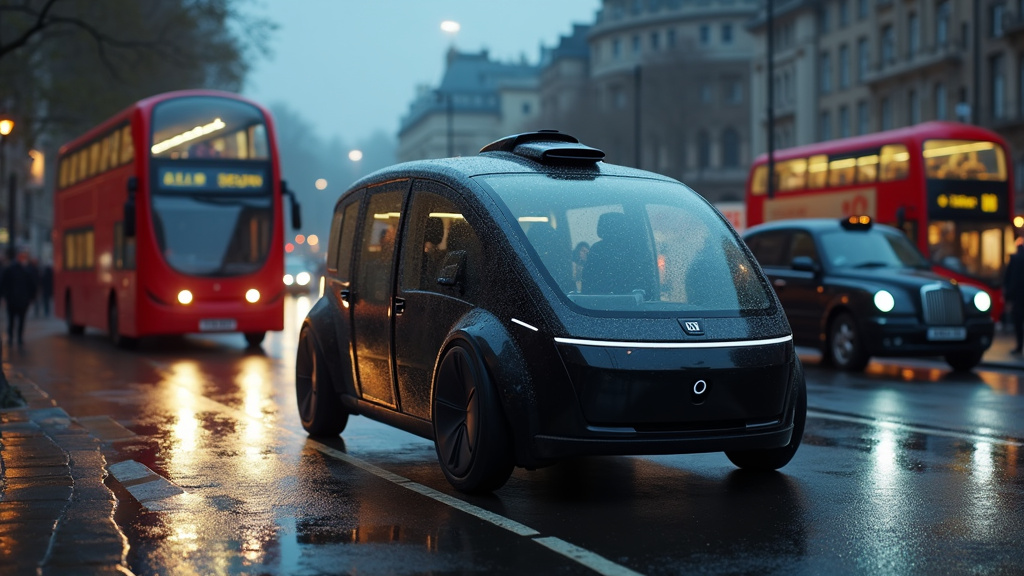
London is set for a major transport shift. Chinese tech giant Baidu will launch robotaxi trials. This is happening in the first half of 2026. Ride-sharing giants Uber and Lyft are partnering with Baidu. These collaborations mark a significant global expansion. They highlight the fast-moving trends in autonomous vehicle technology. This news is a key development in London’s transport future.
Baidu’s Apollo Go Arrives
Baidu’s Apollo Go service will be deployed in London. It uses fully electric Apollo Go RT6 vehicles. These cars are built specifically for ride-sharing. This partnership signifies a new era for urban mobility. Riders will be among the first to experience these driverless vehicles. Baidu is a world leader in autonomous vehicle operations. It has already completed millions of rides globally. Its experience spans 22 cities. This expansion into Europe is a strategic move for Baidu.
Major Ride-Sharing Alliances
Uber and Lyft are both teaming up with Baidu. They will use Baidu’s technology and vehicles. This move represents a shift for the ride-sharing companies. They are now focusing on partnerships. This strategy accelerates their autonomous vehicle rollout. Uber plans a pilot program. It aims to begin in the first half of 2026. Lyft will also start trials. It expects to deploy dozens of vehicles initially. Both companies plan to scale up their fleets. Regulatory approval is pending for these operations. Lyft’s European expansion is boosted by its acquisition of FreeNow.
London: A European Testbed
London has been chosen as a key European launch city. It offers a dense population. High demand for private hire journeys exists there. The UK government supports autonomous vehicle technology. New laws are shaping the future for driverless cars. The Automated Vehicles Act 2024 provides a framework. Transport for London (TfL) is involved in the regulatory process. This positions London at the forefront of global competition. It becomes a crucial testbed for complex urban environments.
Impact on Society and Culture
The introduction of robotaxis will impact London’s transport culture. It promises safer and more cost-efficient rides. However, concerns exist about job displacement. Many existing taxi and private hire drivers face potential unemployment. Government projections suggest new jobs will be created. A hybrid network model is likely. This model combines robotaxis with human drivers. It may serve diverse travel needs. The long-term effects on society are still being assessed. Discussions also involve accessibility. Questions arise about how autonomous vehicles will accommodate all passengers.
Global Race and Future Outlook
This development intensifies the global race for robotaxi dominance. Baidu faces competition from other Chinese firms. US rivals like Waymo are also entering London. The UK aims to be a leader in this field. Commercial robotaxi services are expected later this decade. Profitability for these advanced fleets remains uncertain. Companies are still working to balance costs and revenue. The future of urban transport is undoubtedly trending towards automation. This news signals a significant step for London’s transportation network and its society.
Key Details for London’s Robotaxi Future
* Partners: Baidu, Uber, Lyft
* Vehicles: Baidu’s Apollo Go RT6 (fully electric)
* Launch: Pilot trials begin first half of 2026 (pending approval)
* Initial Fleet: Dozens of vehicles, scaling to hundreds
* Location: London, UK
* Regulatory Body: Transport for London (TfL) and UK Government support