Goriya Devi is making waves. She sells Bihari samosas in London. Her food truck is a viral sensation. Videos of her are trending online. This news covers a unique cultural moment. She brings a taste of Bihar to the UK. Her lively style captivates everyone. Many call this “reverse colonisation.” It is a playful term. It highlights India’s growing cultural influence.
Goriya Devi’s Energetic Street Show
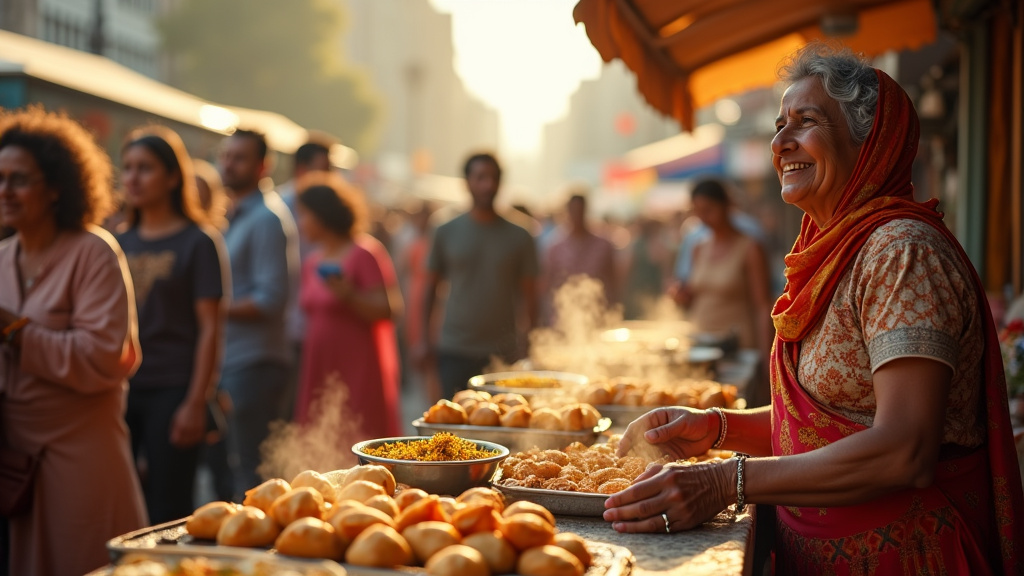
Goriya Devi is the new face. She now runs the Bihari Samosa UK stall. Her predecessor also went viral. Goriya Devi has a unique charm. She wears a traditional skirt and cap. Her calls are loud and cheerful. She chants, “Samosa Samosa!” She even references Bhojpuri culture. Her energy is infectious. She introduces herself with pride. “Goriya Devi aaj London ke streets mein Bihari samosa bechegi,” she declares. This means she is ready to sell her food. She moves through the streets with trays. Her voice stands out. She calls, “Samose Samose, Bihar ke samose, Goriya ne parose.” This translates to “Samosas, samosas, Bihar’s samosas, served by Goriya.” People stop and smile. They are drawn to the spectacle. Her vibrant presence is key. It makes the food stall a must-visit spot. This story is a top news item.
The Authentic Taste of Bihar
Bihari samosas are special. They have a crispier pastry. The filling is a generous spiced potato mix. They are served piping hot. Tangy chutneys complete the treat. This legacy traces back to 1972. Kalishaprasad Kishanlal Shah started it. He opened a small eatery in Gujarat. It was called Bihari Samosa Ghantawala. The shop became a local landmark. It grew over decades. Now, this taste has crossed borders. Bihari Samosa UK is a hit. Long queues form outside its shops. The demand is overwhelming. A second branch opened in Wembley. This shows the food’s popularity. Hygiene is also a focus. This dedication wins hearts. It offers comfort food for NRIs. It’s also a new taste for Londoners. This food story is trending.
Viral Sensation and ‘Reverse Colonisation’
Videos of Goriya Devi are everywhere. They quickly went viral on Instagram. Her lively sales pitches caught attention. This sparked online discussions. Many netizens used the term “reverse colonisation.” This phrase refers to a reversal of historical power. It suggests a colonised country now influences its former coloniser. Anand Mahindra used this term before. He saw a London company using Mumbai’s Dabbawala system. That news also went viral. This samosa story echoes that theme. It is a humorous take. It shows Indian culture’s global spread. It is more than just food. It is a cultural statement. This news covers this interesting angle.
Indian Food’s Firm Grip on London
London loves Indian food. It’s a staple in the city. Indian restaurants are everywhere. They range from casual to fancy. This popularity has deep roots. It started centuries ago. Colonial history played a role. Then, post-WWII migration helped. Indian food offers great variety. You can find simple meals or fine dining. It feels familiar to Londoners. It’s no longer exotic. It’s a common choice. Regional Indian dishes are now popular. Street food is also a big hit. Even anti-immigration protests see demonstrators queue for onion bhajis. This irony highlights Indian food’s integration. It has become part of British life. This trend is evident everywhere. Goriya Devi’s stall is part of this story. It shows Indian culinary influence. This is a top trend in London news.
A Taste of Home, A Global Phenomenon
Goriya Devi’s success is notable. Her energetic style is captivating. The Bihari samosas are delicious. They represent a rich culinary heritage. The “reverse colonisation” talk adds layers. It speaks to cultural exchange. It highlights India’s global reach. Her story is a feel-good one. It shows passion and hard work. It brings a piece of India to London. This news is a top story. It celebrates cultural fusion. It shows the power of good food. It is a trending topic for good reason.