
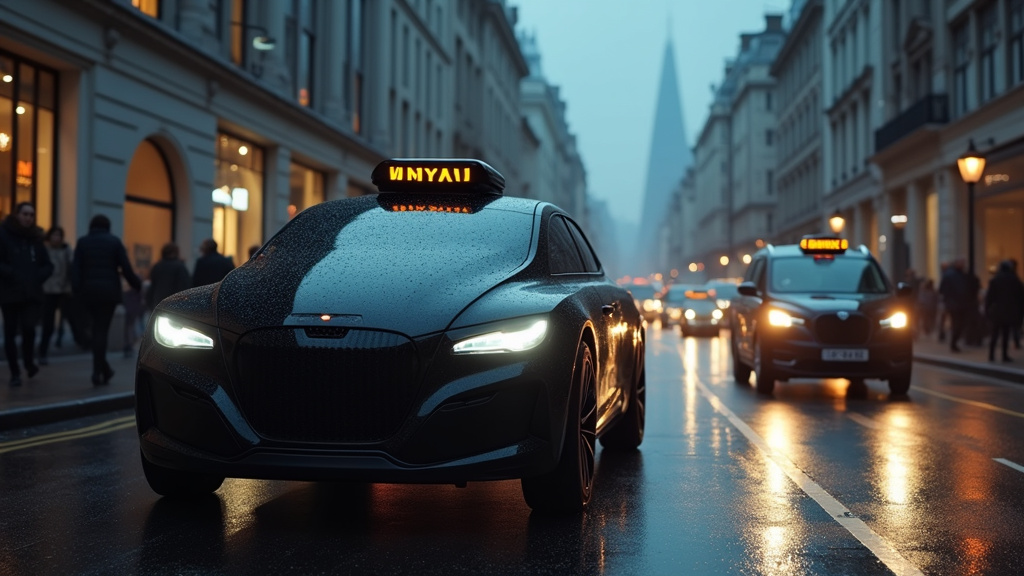
The future of London’s transport is shifting. Robotaxis are set to hit the city’s streets. This news marks a top story in urban mobility. Big tech companies are leading the charge. Waymo and Baidu are among them. British startup Wayve Technologies is also involved. They will all participate in upcoming trials. These trials launch in spring 2026. London becomes a key battleground. This is a trending global race. Ride-hailing giants Uber and Lyft are partners. This collaboration aims for wider service. It signals a new era for travel news.
The Arrival of Driverless Cars
Autonomous vehicles are no longer science fiction. They are preparing for real-world use. Waymo, owned by Google’s parent Alphabet, is ready. It plans passenger pilot services soon. Full operations could start by late 2026. Baidu’s Apollo Go is also coming. It partners with both Uber and Lyft. Wayve Technologies is working with Uber. They test advanced AI for driving. The UK government supports this move. They want to be global leaders in AV tech. New legislation is paving the way. The Automated Vehicles Act 2024 is key. A new permitting scheme starts in Spring 2026. This framework regulates self-driving services. Initial rollouts will be small-scale. The government expects them to complement human drivers. It aims to boost the economy. The AV sector could add £42 billion. It might create 38,000 jobs.
London’s Iconic Black Cabs
London’s black cabs are a famous symbol. They have a history spanning 400 years. Drivers must pass ‘The Knowledge’. This is a rigorous training program. It takes years to master London’s routes. Black cab drivers value experience. They provide a trusted service. They offer personal interaction. This is a core part of their appeal. For decades, they have served millions. They are an integral part of the city. Now, they face a new challenge. Technology is rapidly changing their industry. This story covers a significant shift.
Deep Skepticism from Drivers
London’s black cab drivers are deeply skeptical. Steven McNamara leads the Licensed Taxi Drivers’ Association. He calls robotaxis ‘a solution looking for a problem.’ Drivers fear job losses. They believe these cars could destroy livelihoods. They argue algorithms replace human experience. London’s roads present unique hurdles. The city has an ancient, complex layout. It dates back to Roman times. This is unlike American grid systems. Busy streetscapes are also a challenge. Jaywalking is common and not illegal. This poses risks for autonomous vehicles. Drivers worry about handling busy crossings. They also question reliability. Can AI truly match human intuition? They doubt robotaxis offer advantages here. They believe these cars cannot replicate human touch. Assisting passengers needs human skill. This is a critical point for drivers.
Safety and Regulation Concerns
Safety is a major focus. Vehicles must pass stringent assessments. The Vehicle Certification Agency will test them. They must prove they can drive safely at all times. The government aims for higher safety standards. Autonomous cars should match human drivers. They should exceed them in some ways. Removing human error is a goal. Human error causes most accidents. However, driver groups have worries. They question accountability. Who is responsible if something goes wrong? Unions urge government to ensure driver protections. They want fair competition. They fear driverless fleets might bypass checks. Data collection is another concern. Insurance and liability are also debated. The government plans further consultation. The full legal framework arrives later. It is expected in the latter half of 2027.
The Future Landscape
Robotaxi trials will begin in spring 2026. Companies are seeking regulatory approval now. Waymo plans its service by late 2026. Uber and Wayve aim for similar timelines. Baidu, Uber, and Lyft will test too. This news is trending worldwide. The UK is positioning itself as a leader. It is a bold move for urban transport. The introduction of robotaxis is a big story. It could transform city travel. It also highlights industry disruption. Black cabs have a rich history. Their future is now uncertain. The debate continues. London’s streets will soon host this new technology. The impact on drivers and passengers remains to be seen. This marks a significant change in news. It covers the evolving face of transport.