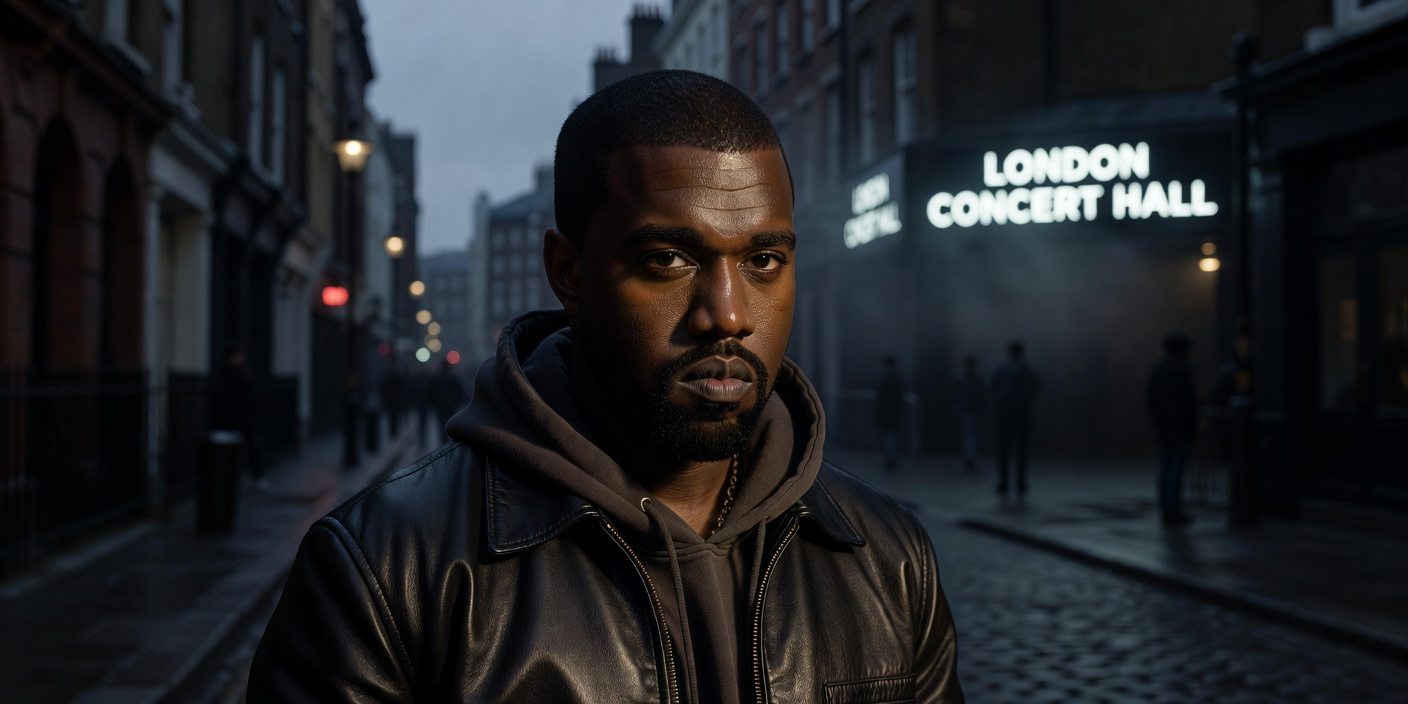
Corporate Backlash Following Booking Announcement
A major London music festival is currently facing a significant operational crisis as a wave of corporate sponsors have formally withdrawn their financial support. The exodus of partners was triggered by the festival’s controversial decision to feature Ye, the musician and rapper formerly known as Kanye West, as the primary headliner for its upcoming July event at Finsbury Park. Despite Ye’s attempts to address his public reputation, his documented history of antisemitic and Nazi rhetoric has made the booking a lightning rod for intense public and political condemnation.
Impact on Commercial Partnerships
The financial fallout was immediate following critical remarks from public figures, including U.K. Prime Minister Keir Starmer, who criticized the festival’s judgment. Pepsi, acting as the festival’s primary sponsor, was among the first to announce it would terminate its involvement. The departure of high-profile backers quickly expanded to include Diageo, alongside key promotional partners such as Captain Morgan and Johnnie Walker. Further compounding the festival’s woes, PayPal has reportedly pulled its branding from all promotional assets, signaling a broad corporate effort to distance the brand from the association with Ye.
The Debate Over Accountability
The controversy has reignited a fierce national debate regarding the responsibility of event organizers to curate lineups that align with community values. The Campaign Against Antisemitism, a leading U.K. watchdog group, has been vocal in its opposition, questioning why a performer who has repeatedly broadcasted extremist views would be granted a platform of this magnitude. Critics argue that regardless of an artist’s previous commercial success, hosting a figure who has publicly identified with Nazi ideology is incompatible with the inclusive environment the festival claims to promote. Calls have even been placed to the government to consider restricting entry for the artist, citing the necessity of protecting the public good.
Economic Implications of the Boycott
For the festival, which typically attracts upwards of 50,000 attendees daily, the loss of these major revenue streams poses a severe threat to its long-term viability. While the festival organizers have not yet officially canceled the performances, the rapid withdrawal of core institutional backers creates a challenging landscape for continued operations. Industry analysts suggest that this event may serve as a watershed moment for how major music events handle vetting processes for high-profile talent in an era of heightened social sensitivity and corporate responsibility.
Historical Context of Tour Cancellations
This incident is not an isolated occurrence for the artist. Previous attempts to host large-scale performances in other international markets have faced similar challenges. Notably, Australia previously denied a visa to the performer following his high-profile outbursts. As the U.K. event navigates this precarious situation, it remains to be seen if the festival will yield to public pressure and seek an alternative headliner or proceed, despite the significant loss of its financial foundation and reputational standing.