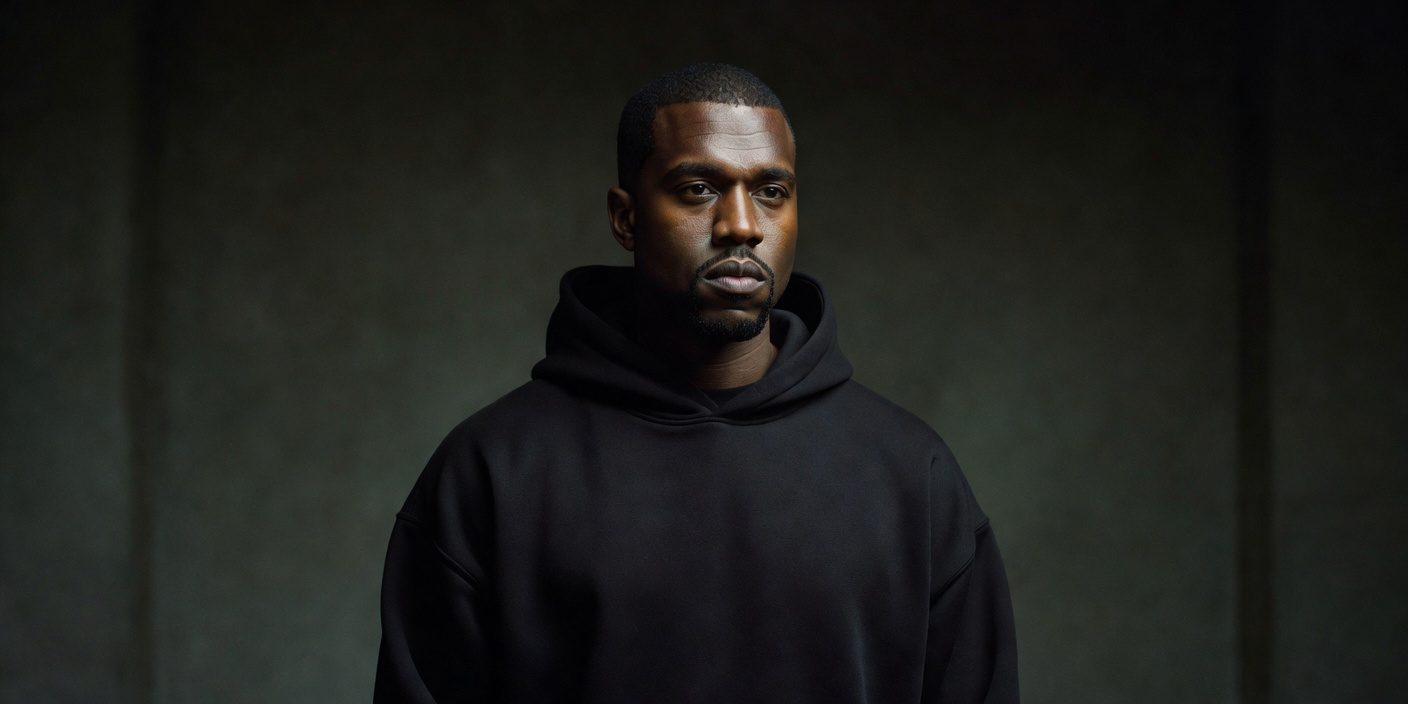
London’s Wireless Festival, a cornerstone event in the UK’s summer music calendar, has been abruptly canceled after the British government blocked rapper Ye (formerly Kanye West) from entering the country. The decision, handed down by the Home Office, marks a significant escalation in the ongoing friction between the artist’s controversial public statements and the standards required for international travel and public performance venues. The festival, which was expected to draw 150,000 attendees to Finsbury Park in July, will now issue full refunds to all ticket holders, leaving the London music scene reeling from the logistical and financial fallout.
Key Highlights
- Government Intervention: The Home Office revoked Ye’s Electronic Travel Authorization (ETA), ruling his presence would not be “conducive to the public good.”
- Total Festival Cancellation: Organizers confirmed the entire three-day event is scrapped, as the lack of a headliner made the event commercially unviable.
- Mounting Pressure: The decision followed intense lobbying from the Board of Deputies of British Jews, criticism from Prime Minister Keir Starmer, and the withdrawal of major sponsors including Pepsi and Diageo.
- Artist’s Response: Ye had previously issued an offer to “meet and listen” to the UK’s Jewish community, but the government maintained its stance.
The Anatomy of a High-Stakes Government Ban
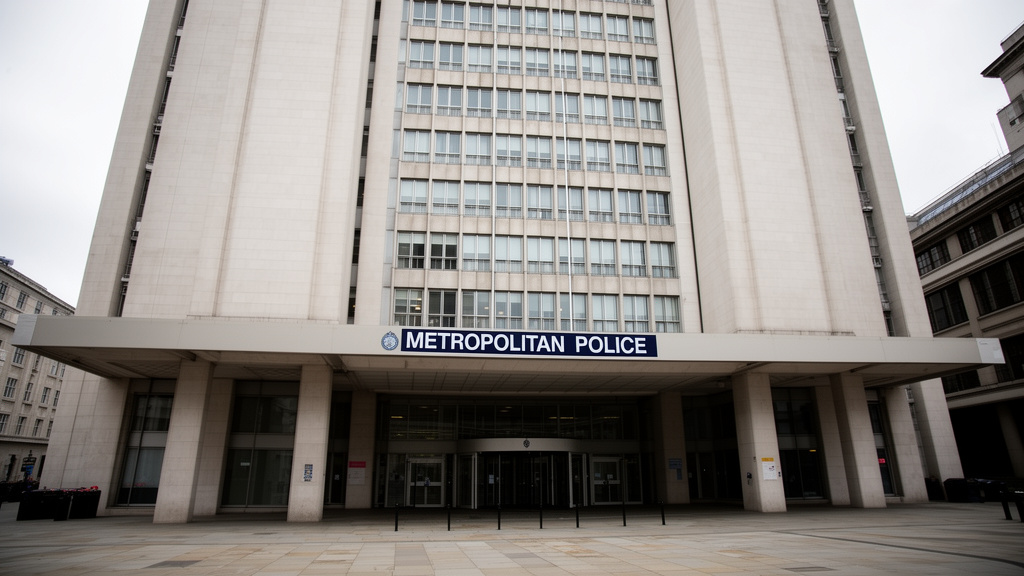
The cancellation of Wireless Festival is not merely a scheduling issue; it is a profound intersection of culture, international immigration law, and political accountability. The UK Home Office’s decision to rescind Ye’s travel authorization represents a rare instance where the government has preemptively blocked a major international performer based on moral and public safety grounds before they even reached the border.
The Legal Basis for Exclusion
The UK’s immigration policy allows for the refusal of entry to individuals whose behavior is deemed “not conducive to the public good.” While this is often applied to extremist preachers or foreign nationals accused of inciting violence, applying it to a global superstar like Ye highlights a pivot in how the government handles high-profile visitors with histories of hate speech. The Home Office reviewed the case following sustained, coordinated pressure from civil society groups and politicians. The decision to revoke the ETA, despite initial online approval, underscores the discretionary power held by ministers in cases where public order concerns override commercial agreements.
Political and Social Fallout
The political climate leading up to this decision was already highly charged. Prime Minister Keir Starmer’s public labeling of the booking as “deeply concerning” set the tone for a government that felt it could not be a bystander. The Board of Deputies of British Jews, alongside other prominent Jewish organizations, articulated a clear position: platforming an individual who has openly praised Adolf Hitler and released content described as “Heil Hitler” constitutes a failure of corporate responsibility. This pressure campaign was highly effective, not just in the political arena, but in the corporate one. The exit of headline sponsors—including Pepsi, Rockstar Energy, and Diageo—dealt a lethal blow to the festival’s financial feasibility, proving that the “optics” of the booking had become toxic.
The Artist’s Perspective: A Tardy Pivot?
In the hours leading up to the final decision, Ye attempted a last-minute diplomatic outreach, expressing a desire to “meet and listen” to the UK’s Jewish community. His statement, which acknowledged that “words alone are not enough,” was a departure from his previous defiance. However, critics argued that this move was a transactional attempt to save a lucrative tour rather than a genuine transformation. By the time the offer was made, the momentum behind the ban had become unstoppable. The refusal of the government to accept these late-stage overtures reinforces a developing international standard where established hate speech—particularly that which invokes Nazi imagery—can lead to severe, real-world consequences for an artist’s touring career.
Secondary Angles: Examining the Broader Impact
1. The Precedent for the Music Industry
This event sets a powerful, albeit divisive, precedent for the global music industry. Promoters and talent bookers will likely face increased scrutiny regarding their “due diligence” processes. The argument that “the music is separate from the person” has been increasingly challenged, and this cancellation serves as a case study in how corporate responsibility is now being demanded by sponsors and audiences alike. We may see a shift toward “morality clauses” in booking contracts that are more explicit and easier to trigger.
2. The Economic Impact on London’s Cultural Economy
While the cancellation is being framed as a moral victory, the economic reality is stark. Wireless Festival is a massive engine for local commerce, employing thousands of staff, security, caterers, and technical crews. The loss of this event represents a direct financial hit to the London service economy. The debate will now shift to whether the industry can afford to rely on volatile, singular headliners whose public behavior can evaporate a festival’s viability overnight.
3. The Future of “Border Politics” in Pop Culture
This incident highlights a growing trend where border control is used as a tool to police cultural discourse. Is it the government’s role to decide which artists are “appropriate” for public consumption? Proponents argue that the state has a duty to maintain community cohesion and prevent the spread of hateful ideologies, while detractors warn of a slippery slope where political disagreement or unpopular opinions could lead to travel bans for other artists. This case will undoubtedly fuel the debate regarding free speech versus public safety.
FAQ: People Also Ask
Q: Was Ye officially denied entry to the UK, or did he pull out voluntarily?
A: Ye was officially blocked. The UK Home Office withdrew his previously granted Electronic Travel Authorization (ETA), effectively barring him from entering the country.
Q: What happens to the tickets purchased for Wireless Festival?
A: The organizers, Festival Republic, have confirmed that all ticket holders will receive an automatic full refund. Customers are advised to monitor their email for instructions regarding the processing timeline.
Q: Could Ye legally challenge the government’s decision?
A: While legal avenues exist to challenge government decisions, immigration refusals of this nature are notoriously difficult to overturn. Given the government’s justification of “public good,” a successful appeal would be legally and logistically complex.
Q: Why was this specific festival canceled instead of just replacing the headliner?
A: According to industry reports, the festival’s business model and marketing were heavily centralized around Ye’s appearance. With the ban happening only months before the event and major sponsors having already pulled out, the organizers determined it was not viable to continue with the remaining lineup.