The UK government has ordered a crackdown on fuel prices, with the Chancellor and Energy Secretary meeting with fuel bosses today to demand lower prices at the pump. The move comes amid growing public frustration over the cost of living and persistent high fuel costs.
Key Highlights:
- Government officials met with major fuel retailers.
- A crackdown on pump prices has been ordered.
- Public pressure over cost of living is a key driver.
- Retailers are expected to pass on wholesale cost reductions.
Government Pressures Fuel Retailers on Pump Prices
The government’s intervention signals a serious attempt to address the impact of high fuel costs on households and businesses. The Chancellor and Energy Secretary’s meeting with leading fuel retailers at Number 11 Downing Street underscores the urgency and political sensitivity of the issue. This direct engagement aims to persuade or compel fuel companies to reduce their pump prices, aligning them more closely with falling wholesale fuel costs. The expectation is that retailers will pass on any savings from lower wholesale prices to consumers, thereby easing the burden of the cost of living crisis. The Treasury and the Department for Energy Security and Net Zero are closely monitoring the situation, with potential further actions if retailers do not comply.
The Cost of Living Context
The meeting occurs at a critical juncture for the UK economy, with inflation and the cost of living remaining significant concerns for millions of households. Fuel prices, a major component of household expenditure, have a direct impact on inflation rates and consumer spending power. Families are struggling with increased costs for heating, transport, and essential goods, making any reduction in fuel prices a welcome relief. The government is keen to demonstrate that it is taking decisive action to alleviate these pressures.
Wholesale vs. Retail Price Discrepancy
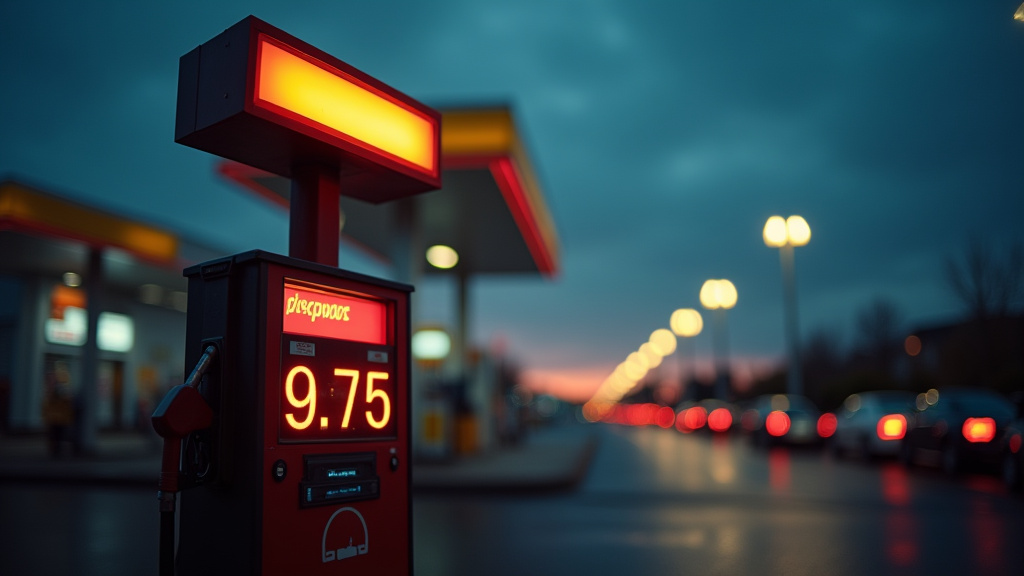
Recent trends in global oil markets have seen wholesale fuel prices decrease. However, these reductions have not been consistently reflected at the forecourt. This discrepancy has fueled accusations that fuel retailers are not passing on savings quickly enough, or are even widening their profit margins. The government’s objective is to ensure that the benefits of lower international oil prices are directly translated into lower prices for motorists across the country. This involves scrutinizing the pricing strategies of major fuel companies.
Regulatory Scrutiny and Potential Actions
While the initial approach involves a high-level meeting and direct ‘order’ for a crackdown, the government has indicated it is prepared to consider further measures. This could include enhanced regulatory oversight or potentially new legislative powers to ensure fair pricing. The Competition and Markets Authority (CMA) has previously investigated fuel pricing, and its findings are likely to be a key reference point for the government’s strategy. The aim is to foster a more competitive and transparent fuel retail market.
FAQ: People Also Ask
What is the government demanding from fuel bosses?
The government is demanding that fuel bosses pass on reductions in wholesale fuel costs to consumers at the pump, effectively ordering a crackdown on current retail prices.
Why are fuel prices a government concern?
Fuel prices are a significant factor in the cost of living crisis, impacting household budgets and contributing to inflation. The government is concerned about the economic pressure on consumers and businesses.
Have fuel prices fallen recently?
Wholesale fuel prices have seen reductions, but these have not always been fully reflected in prices at the petrol station, leading to government intervention.
What happens if fuel companies don’t lower prices?
The government has indicated it is prepared to consider further measures, which could include enhanced regulatory scrutiny or legislative action, if fuel companies do not comply with the call for lower prices.