Historic Moment: Donald Trump Celebrates America’s First Pope, Leo XIV
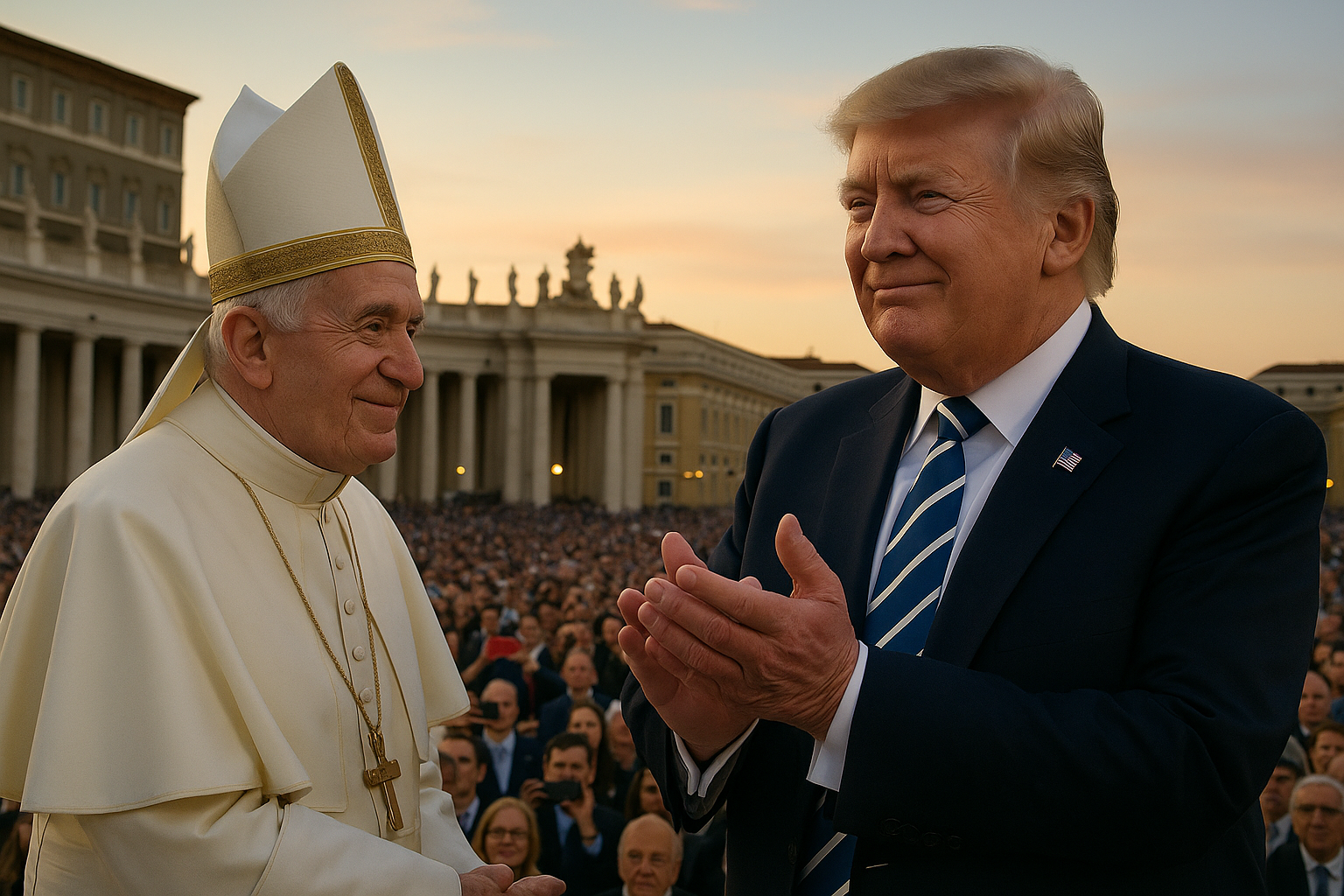
In a significant milestone for both the Catholic Church and the United States, Cardinal Robert Francis Prevost has been officially named the new Pope, taking on the title of Pope Leo XIV. This momentous occasion marks the first time an American has ascended to the papacy, a fact that has generated excitement and pride across the nation. Former President Donald Trump, known for his outspoken nature, took to social media to express his congratulations and share his thoughts on this historic event.
Trump’s Enthusiastic Response
On Thursday, shortly after the announcement, Donald Trump shared his sentiments via his social media platform, Truth Social. He wrote, “Congratulations to Cardinal Robert Francis Prevost, who was just named Pope. It is such an honour to realise that he is the first American Pope.” His message reflected not only personal excitement but also a broader sense of national pride, as he continued, “What excitement, and what a Great Honour for our Country. I look forward to meeting Pope Leo XIV. It will be a very meaningful moment.”
Trump’s enthusiasm highlights the significance of this papal selection, especially considering the historical context. Cardinal Prevost’s appointment comes at a time when the Catholic Church is navigating various global challenges, and his leadership is anticipated to bring fresh perspectives to the Vatican.
The Journey to Papacy
Pope Leo XIV, formerly Cardinal Prevost, is the 267th individual to hold the papal title. His election to the papacy follows the passing of Pope Francis, who died at the age of 88 on April 21 after a twelve-year tenure. This transition in leadership has been a pivotal moment for the Catholic Church, which has faced numerous challenges, including declining attendance, sexual abuse scandals, and growing secularism in many parts of the world.
The announcement of Pope Leo XIV’s election was made by Cardinal Dominique Mamberti, who addressed an enthusiastic crowd outside the Vatican, proclaiming, “Habemus Papam,” which translates to “we have a pope.” This traditional announcement is steeped in history and marks the beginning of a new era for the Catholic faith.
Pope Leo XIV’s Vision for the Church
Upon his election, Pope Leo XIV addressed the crowd in Italian, paying homage to his predecessor. He remarked, “The pope that blessed Rome gave his blessing to the whole world on that Easter morning. Together we must try to find out how to be a church that builds bridges, establishes dialogue and is open to receives everybody.” His words resonate deeply in a world often divided by differences, reflecting a desire for unity and inclusivity within the church.
Continuing his address, he emphasized the importance of love and acceptance, stating, “Let us follow up that blessing. God loves us and God loves all of you. Sin will not prevail, we are all in the hands of God.” This message of hope and compassion sets a tone for his papacy, suggesting that Pope Leo XIV may prioritize outreach and engagement with diverse communities.
The Significance of an American Pope
The election of an American pope is monumental, not only for the Catholic Church but also for the United States. It signifies a shift in the global landscape of the Catholic faith, which has traditionally been dominated by European leaders. The world is watching closely as Pope Leo XIV embarks on his papal journey, eager to see how his American perspective will influence church policy and global Catholicism.
Moreover, the United States has a diverse population that includes a significant number of Catholics. With an American at the helm, there is potential for the church to address issues that resonate with the American populace, such as social justice, immigration reform, and interfaith dialogues. The new pope’s leadership could foster a renewed sense of connection between the Catholic Church and American Catholics, encouraging greater participation and engagement within the faith community.
Challenges Ahead for Pope Leo XIV
As Pope Leo XIV begins his papacy, he will undoubtedly face numerous challenges. The Catholic Church is grappling with a declining number of clergy, increasing secularism, and a need for reform in various areas, including transparency and accountability. Additionally, the church’s stance on social issues will be scrutinized, particularly in an era marked by rapid societal change.
Furthermore, Pope Leo XIV will need to navigate the complex relationship between the Vatican and the global political landscape. In a world where politics and religion often intersect, the new pope’s ability to engage with political leaders and advocate for moral leadership will be crucial. His experiences and insights as an American may provide a unique lens through which to address these challenges.
The Role of the Catholic Church in Modern Society
The Catholic Church holds a significant place in global society, and its influence extends beyond spiritual guidance. In a time of crisis—whether it be social, economic, or environmental—the church has historically played a role in advocating for justice and peace. Pope Leo XIV’s leadership will likely focus on these critical issues, encouraging the church to be a proactive force for good in the world.
As the Catholic Church continues to evolve, the new pope’s vision for a church that “builds bridges” and promotes dialogue will be essential in addressing the needs of contemporary society. This approach not only aligns with traditional Catholic values but also resonates with a broader audience seeking hope and guidance in turbulent times.
Conclusion
The election of Pope Leo XIV represents a historic chapter in the Catholic Church’s journey, and the involvement of figures like Donald Trump in celebrating this moment underscores its significance. As the first American pope, Cardinal Robert Francis Prevost brings with him a wealth of experience and a unique perspective that could shape the future of Catholicism. The eyes of the world are now on the Vatican, eager to see how this new leadership will navigate the complexities of faith and modernity while fostering a message of love, acceptance, and unity.