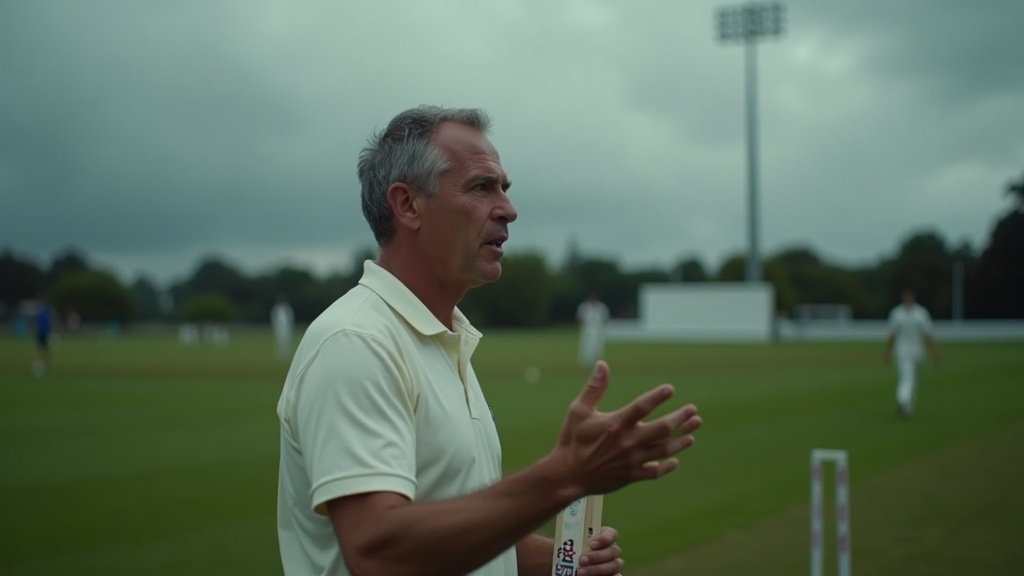
Former England cricketer Michael Vaughan has issued a stark warning regarding the potential leadership of Ollie Pope in the upcoming Ashes series. Vaughan, a respected voice in Sports news, expressed his reservations about Pope’s captaincy during the recent final Test against India, suggesting that while Pope is a valuable asset, he may not possess the requisite qualities for leading England in the high-stakes environment of an Ashes contest.
Concerns Over Pope’s Leadership in Crucial Moments
Vaughan’s assessment comes in the wake of England’s narrow defeat in the final Test against India, a match where Ben Stokes was sidelined due to injury, forcing Pope to step into the captaincy role. This decision ultimately led to a 2-2 series draw for England. The former captain believes Pope performed admirably in his vice-captaincy duties but faltered when thrust into the top role during a particularly challenging phase of the game. Vaughan specifically pointed to the pressures of high-stakes situations, indicating that Pope has yet to fully demonstrate the decisive leadership required at that level.
Harry Brook Tipped as Potential Captaincy Alternative
In light of these concerns, Vaughan has put forward Harry Brook as a viable alternative captain should Ben Stokes be unavailable for the prestigious Ashes series. Brook, who has shown considerable promise and maturity in his performances, is seen by Vaughan as a player who might be better suited to handle the immense pressure and strategic demands of captaincy in such a significant tournament. The current situation, trending across the United Kingdom’s sports discourse, highlights the ongoing search for consistent leadership within the England cricket team, especially when key players like Stokes are absent.
Vaughan’s comments underscore a critical period for England cricket as they prepare for future major series. The ability to adapt and identify strong leadership figures is paramount, particularly given the historical significance and intensity of the Ashes. While Pope’s batting prowess is undeniable, his effectiveness as a captain in demanding, match-defining scenarios remains a point of contention for seasoned observers like Vaughan. The national team’s performance and future trajectory depend heavily on such strategic decisions, making Vaughan’s insights particularly relevant for the United Kingdom’s cricket community. The need for a captain who can inspire confidence and make critical calls under intense scrutiny is a recurring theme in discussions surrounding the team’s overall health and success.