Exploring the Evolution and Future of Our Food: A Free Exhibition at the Science Museum
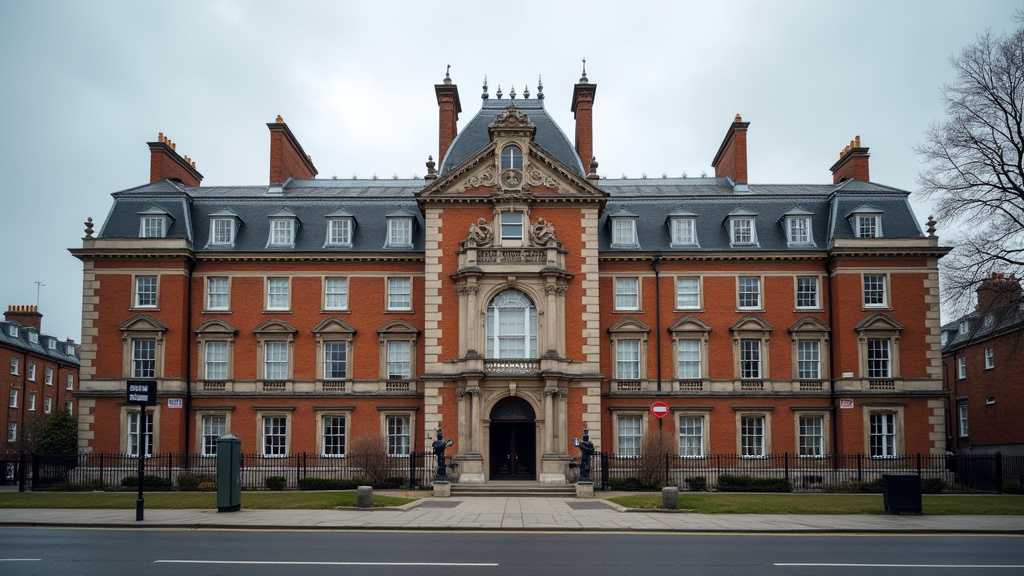
This summer, the Science Museum is set to unveil an engaging and insightful free exhibition titled “Future of Food,” which delves into the past, present, and future of the food we consume daily. This exhibition promises to be a thought-provoking journey through the rich history of our food sources, the scientific advancements that have shaped them, and the sustainable practices that may redefine our culinary landscape in the years to come.
A Journey Through Time: The Stories Behind Our Everyday Foods
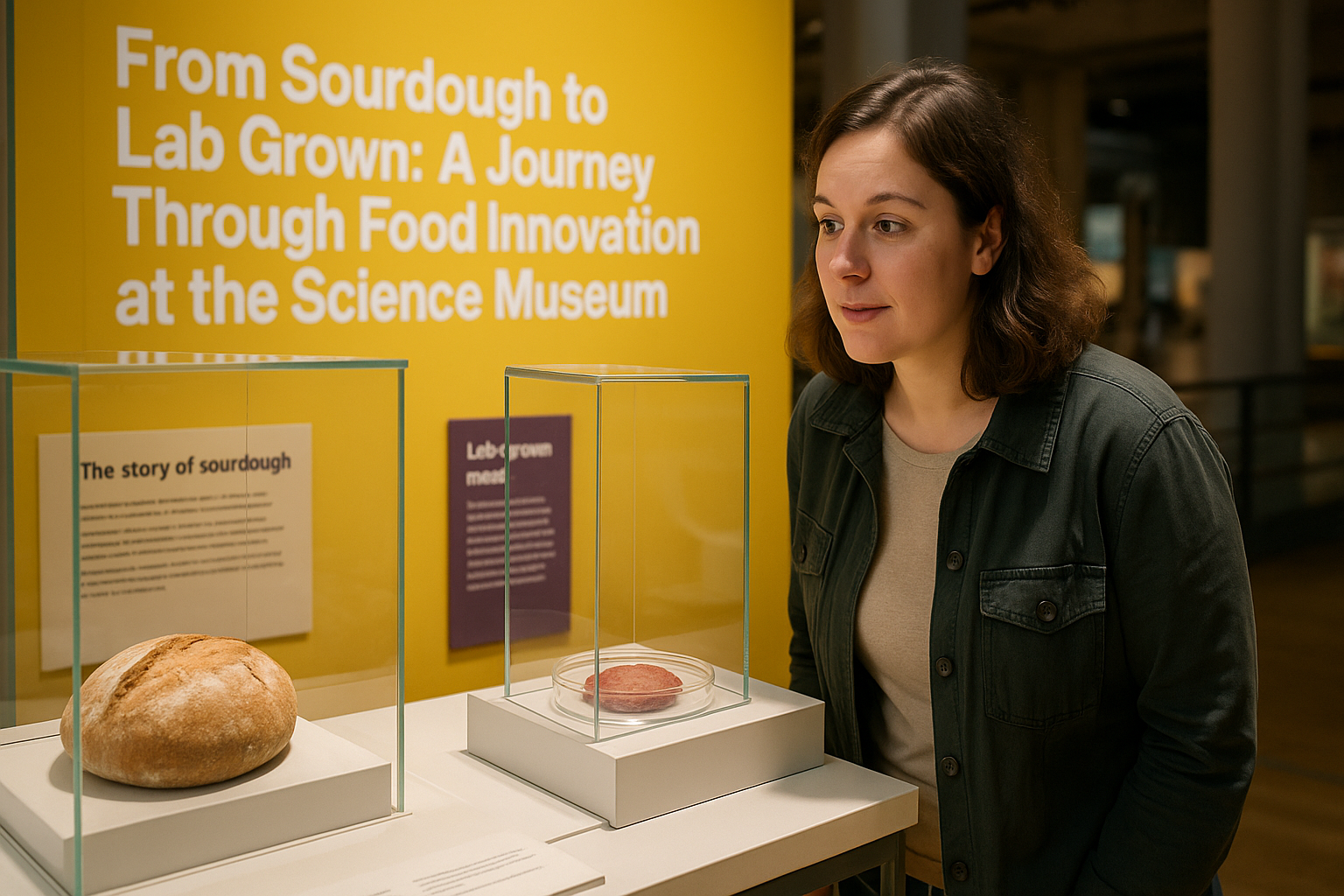
The exhibition will explore a variety of significant milestones in the history of food, showcasing stories that highlight the evolution of our dietary staples. From the 3,500-year-old tradition of fermenting sourdough bread to the groundbreaking creation of the first Quorn burger and the pioneering beef steak cultivated outside of a cow, visitors will gain valuable insights into how our food has transformed over the centuries.
One of the standout features of the exhibition is its focus on the scientific advancements that allowed for better food production during the 20th century. The exhibition will emphasize the pivotal role of innovative ideas and technologies in agriculture, including the development of synthetic fertilizers, pesticides, and practices that significantly increased crop yields. However, it will also address the complex legacy left behind by these advancements, which includes issues such as overfishing, intensive factory farming, and the prevalence of monoculture crops.
Human Ingenuity and Ecological Vulnerability: Key Exhibits
The exhibition will showcase a range of artifacts that illustrate both human innovation and ecological challenges. Among these is a fragile potato leaf, one of the few surviving specimens from the Irish potato famine, which serves as a poignant reminder of the consequences of agricultural monocultures. Additionally, Fritz Haber’s sample of liquid ammonia, a revolutionary scientific invention of the 20th century, will be on display. This invention was instrumental in the creation of synthetic nitrogen fertilizers, which have played a crucial role in feeding billions of people worldwide.
Envisioning a Sustainable Future
After setting the historical context, the exhibition will shift focus to potential pathways toward a more sustainable food future. Visitors will be invited to explore cutting-edge scientific concepts and technologies that may support sustainable food production, such as cellular agriculture, agroecology, and sustainable fishing practices. These innovations represent a proactive approach to addressing the challenges faced by modern agriculture and food systems.
Ecological Food Production: A New Perspective
The “Future of Food” exhibition will also illuminate the history and possibilities of ecological food production. Attendees will have the opportunity to learn how ecological principles are being applied in food production methods that prioritize both agricultural output and environmental health. For instance, the exhibition will feature a pioneering pest control method using plants in Africa, showcasing how local knowledge and practices can lead to sustainable farming solutions.
Moreover, an installation recreating a community-led regenerative seaweed and shellfish farm in Pembrokeshire will offer visitors a glimpse into innovative aquaculture practices that benefit both the environment and local communities. The exhibition will also highlight stories of scientific and community efforts to conserve the genetic diversity of food crops, featuring initiatives like Norway’s ice-cold seed vaults and seed-swapping ceremonies in the Amazon and across the UK. These efforts emphasize the importance of preserving wild and heritage plant varieties that exhibit climate resilience.
Reflecting on Our Culinary Choices
In addition to exploring agricultural practices, the exhibition will encourage visitors to reflect on the impact of the food they buy, cook, and consume. One fascinating exhibit will showcase margarine, an industrial food product invented in 1869, originating from a bottle of ‘acide margarique’ belonging to a pioneering researcher in the chemistry of animal fats. This exhibit will serve as a springboard for discussions about the implications of industrial food production and the importance of mindful consumption.
Visit the Future of Food Exhibition
The “Future of Food” exhibition opens at the Science Museum on July 24, 2025, and will be free for all visitors. This exhibition not only aims to educate but also to inspire thought-provoking conversations about the future of our food systems. By examining our past and present, it invites us to envision a world where food is produced sustainably, benefiting both humanity and the planet.
Conclusion
The Science Museum’s “Future of Food” exhibition promises to be a captivating exploration of the intricate relationship between food, science, and sustainability. By examining historical milestones, innovative technologies, and ecological practices, the exhibition encourages visitors to reflect on their food choices and consider the broader implications of our agricultural systems. As we prepare to face the challenges of the future, this exhibition serves as a vital reminder of the importance of sustainability and the potential for human ingenuity to create a better world for all.