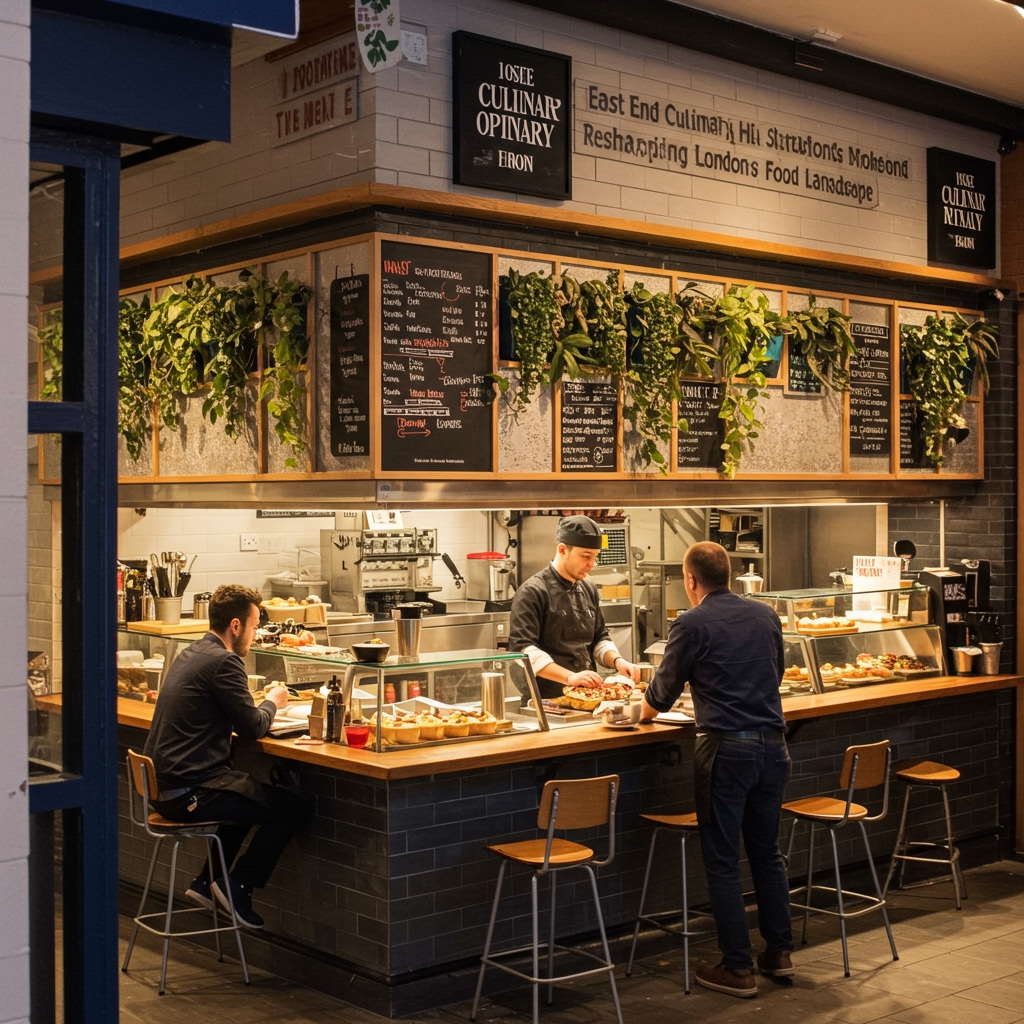
A New Culinary Beacon in the East End
On June 7th, a highly anticipated addition to London’s dynamic food scene officially opened its doors: the East End Culinary Hub. Located in the dramatically revitalized Olympic Park area of Stratford, this ambitious project was designed to serve as a central focal point for London’s ever-growing community of food enthusiasts, chefs, and innovative producers. Spanning an impressive 50,000 sq ft, the venue is more than just a collection of eateries; it is envisioned as a vibrant ecosystem fostering culinary exploration and community engagement in the heart of East London. Its launch has quickly garnered significant attention, signalling a potential shift in the capital’s competitive gastronomic landscape and setting a new benchmark for integrated urban culinary destinations.
A Tapestry of Flavors
The core of the East End Culinary Hub lies in its exceptionally diverse array of culinary vendors. Curated to offer a broad spectrum of tastes and experiences, the venue hosts both established names and exciting newcomers. Among the notable tenants is Chef Skye Wallace’s highly acclaimed plant-based concept, ‘Plant Power’, bringing innovative and sustainable vegetarian and vegan cuisine to the forefront. Also featured is the popular street food collective, ‘Global Flavours’, known for showcasing authentic and vibrant dishes from around the world. This mix of well-known entities and promising independent vendors ensures that visitors can embark on a global culinary journey all under one roof, catering to diverse palates and preferences. The selection process for vendors reportedly prioritised quality, innovation, and a commitment to the Hub’s overarching values, creating a rich tapestry of culinary traditions and modern food trends.
Building a Sustainable Future
A fundamental principle underpinning the development of the East End Culinary Hub is a deep commitment to sustainability. Developers have explicitly stated that a primary aim was to create a genuinely sustainable food destination. This commitment is manifested through various initiatives, including comprehensive waste reduction programmes designed to minimise environmental impact throughout the Hub’s operations. Furthermore, a significant focus has been placed on supporting local economies and reducing the carbon footprint associated with food transportation. The Hub has implemented a policy prioritising partnerships with suppliers located within a 50-mile radius, ensuring freshness while bolstering regional producers and diminishing logistical complexities. This integrated approach to sustainability is not merely an add-on but is woven into the very fabric of the Hub’s business model, aiming to set a standard for future food-related developments in urban centres.
Immediate Impact and Rave Reviews
Since its opening on June 7th, the East End Culinary Hub has quickly demonstrated its potential to become a major player in London’s competitive restaurant and food retail landscape. Early reports from visitors, critics, and the management team indicate significant foot traffic, suggesting a strong initial public response and immediate popularity. Crucially, early reviews have been overwhelmingly positive, praising the quality and variety of food offerings, the vibrant atmosphere, and the thoughtful design of the 50,000 sq ft space. This positive reception validates the developers’ vision and positions the Hub as a compelling new destination that resonates with Londoners and tourists alike. The immediate success highlights the demand for high-quality, diverse, and conveniently located culinary experiences, particularly within the rapidly developing Stratford area.
Shaping London’s Urban Landscape
The success of the East End Culinary Hub extends beyond its immediate commercial viability; it is also attracting attention from urban planners and industry analysts. Experts in urban development and retail strategy suggest that the Hub’s model and early success could significantly influence future urban development projects across the capital. Specifically, analysts point to the potential for the Hub’s integrated approach – combining diverse culinary retail with sustainable practices and community space – to serve as a blueprint. This could lead to more future developments focusing on creating similar comprehensive, integrated retail and culinary experiences designed to draw people and foster vibrant public spaces. The Hub’s performance will likely be closely monitored as a case study for how large-scale, food-centric developments can revitalise areas, drive economic activity, and contribute positively to the urban fabric.
Looking Ahead
The East End Culinary Hub’s debut marks a significant moment for London’s food scene and the continued regeneration of the Olympic Park area. By bringing together a diverse range of culinary talent, including names like Chef Skye Wallace’s ‘Plant Power’ and the ‘Global Flavours’ collective, within a sustainably-minded, large-scale venue in Stratford, the Hub is poised to become a lasting fixture. Its commitment to waste reduction and supporting local suppliers within a 50-mile radius further solidifies its position not just as a place to eat, but as a conscientious contributor to the community and environment. As it continues to operate and grow, the East End Culinary Hub’s impact is expected to extend beyond the immediate positive reviews and foot traffic, potentially influencing how integrated culinary and retail spaces are planned and executed across London for years to come.