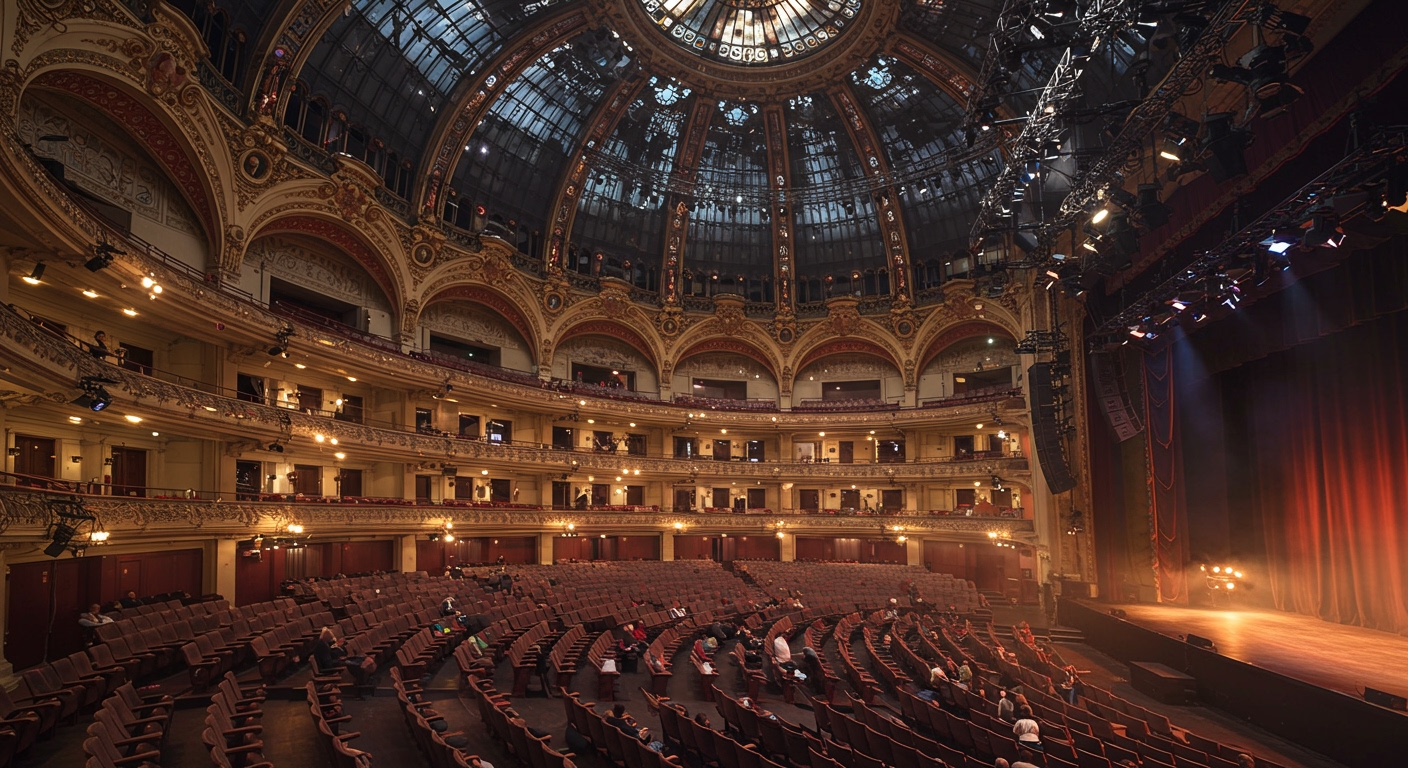
West London is set to welcome a significant new cultural venue, breathing life into a prominent former retail space. Reports confirm that a new theatre is currently being created from an old Debenhams department store, marking a notable example of urban regeneration and adaptive reuse in the capital.
This ambitious project sees a large commercial building, once dedicated to traditional retail, repurposed for the performing arts. The transformation is already generating considerable public interest, with initial reports indicating a remarkable response from theatregoers: some initial nights at the venue are reportedly already sold out.
Breathing New Life into Retail Spaces
The conversion of former department stores into alternative uses has become an increasingly common theme in urban development as traditional retail faces significant challenges. Large, centrally located buildings like the former Debenhams stores often occupy key positions within communities, and their vacancy can have a detrimental effect on the surrounding area. Transforming these spaces for purposes such as residential use, educational facilities, or, as in this case, cultural venues like theatres, is seen as a crucial strategy for revitalising high streets and urban centres.
This particular project in West London stands out due to its scale and its focus on creating a dedicated performance space. Department stores typically offer large, open floor plates and high ceilings, presenting both challenges and opportunities for theatre design. While extensive structural modifications, acoustic treatments, and the installation of complex stage technology are required, these buildings can also offer unique layouts and volumes that allow for creative and potentially immersive theatre experiences.
A Boost for West London’s Cultural Landscape
The introduction of a new theatre represents a significant addition to the cultural infrastructure of West London. The area already boasts a diverse cultural scene, but a new, potentially large-capacity venue can attract different types of productions, audiences, and artists. This not only enriches the local arts offering but can also serve as an economic driver, drawing visitors to the area and supporting local businesses such as restaurants, bars, and other entertainment venues.
The specific location within West London, the history of the building as a well-known Debenhams store, and the promise of a new theatrical experience combine to create a strong narrative that appears to be resonating with the public even before the doors officially open for all performances. The project signals confidence in the enduring appeal of live performance and the potential for culture to anchor urban revitalisation efforts.
Strong Public Demand Evident in Early Sales
Perhaps the most compelling early indicator of the project’s potential success is the report that some initial nights are already sold out. This level of demand, particularly for a new venue that may not have yet announced its full opening programme or specific headline shows in detail, underscores a significant appetite for live theatre experiences in West London. It suggests that the novelty of the venue, combined with the anticipation surrounding its opening, has successfully captured public imagination.
Early sell-outs are a powerful signal to producers, artists, and investors alike. For the developers behind the conversion, it provides crucial validation for their vision and investment. For potential future productions, it suggests a receptive and eager audience base. While the exact number of sold-out nights or the specific shows affected were not detailed in the initial summary, the mere fact of early sell-outs is a strong positive indicator of immediate public interest and demand for the new West London theatre.
This early success is particularly noteworthy in the current climate, demonstrating that audiences are keen to return to or discover new live performance spaces. It sets a positive tone for the theatre’s debut and provides valuable momentum as it prepares for its full launch.
Opportunities and Future Outlook
Converting a large retail space into a bespoke theatre is an undertaking fraught with complexity, requiring careful planning, expert design, and significant investment in infrastructure like seating, lighting, sound systems, and stage mechanics. However, the opportunities presented by the scale and location of a former department store can result in a truly unique venue that stands apart from more conventional theatre spaces.
The project’s success will ultimately depend on its programming and its ability to consistently attract audiences. However, the initial public response, highlighted by the sold-out nights, provides a strong foundation. It suggests that the concept of a new cultural destination in a familiar, albeit transformed, West London landmark resonates deeply with the community and potential theatregoers.
The creation of this new theatre from an old Debenhams store is more than just a property development; it is a cultural statement about the adaptability of urban spaces and the enduring importance of the arts. As the final touches are put in place and the venue prepares for its full opening, all eyes will be on West London to see how this former retail giant begins its second act as a vibrant cultural hub, validated by the strong initial signal from the ticket-buying public.