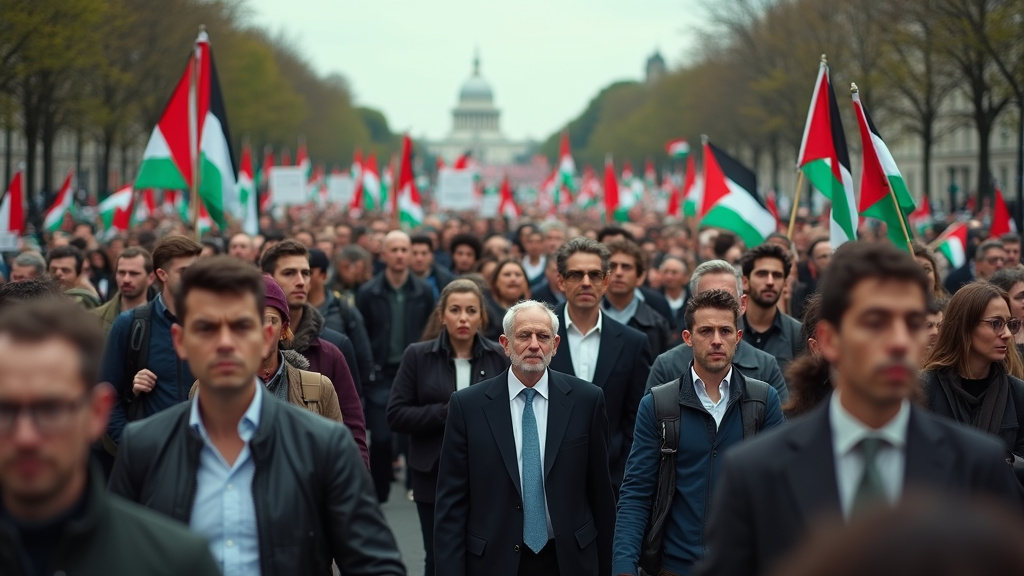
Tens of thousands gathered in central London on Saturday, October 11, 2025, for a large-scale pro-Palestinian march, a day after a ceasefire agreement took effect in Gaza. The demonstration, a significant piece of news reflecting ongoing global sentiment, was organized by the Palestine Solidarity Campaign (PSC) and marked the 32nd national protest since October 2023, underscoring a sustained period of activism.
A Day of Dissent Amidst a Fragile Truce
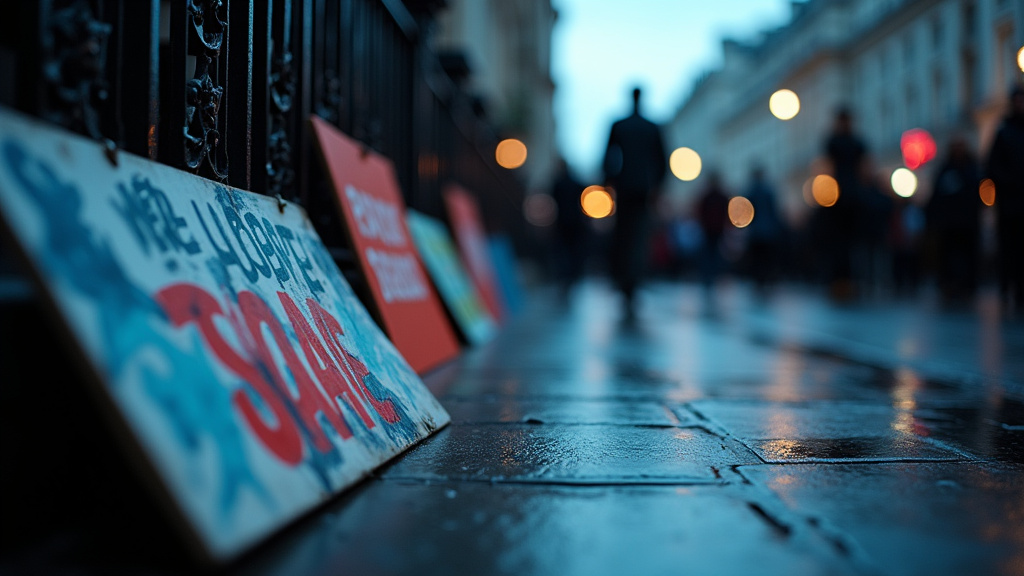
The march commenced along Victoria Embankment and proceeded towards Whitehall, with participants carrying Palestinian flags and placards bearing messages such as “End the occupation, end apartheid” and “Ceasefire is not enough, we want justice”. Despite the newly established ceasefire, which was brokered as part of a peace plan by President Trump and came into effect on Friday, October 10, 2025, organizers stressed that the truce did not address the fundamental issues driving the conflict. Speakers emphasized that the fight for Palestinian freedom and justice would continue until the root causes of the conflict were resolved and the occupation ended.
Voices for Freedom and Justice
Among the notable figures present was former Labour Party leader Jeremy Corbyn, who walked at the front of the procession. Ben Jamal, director of the PSC, articulated the movement’s stance, stating that the current ceasefire plan was “not a plan for enduring peace” and did “nothing about the root causes of violence” or the “system of apartheid”. Protesters also chanted slogans such as “from the river to the sea, Palestine will be free” and “Starmer has blood on his hands, free Palestine,” with some chants drawing criticism for their perceived ambiguity. PSC representatives vowed to persist in their campaigning until the Palestinian people achieved self-determination and freedom.
Counter-Protests and Police Presence
The demonstration was met with a counter-protest organized by the Jewish-led Stop the Hate group. To manage potential clashes and prevent serious disruption, the Metropolitan Police imposed conditions on both gatherings, designating specific areas and routes. While measures were in place, scuffles did occur between individuals from the opposing groups, leading to a “small number” of arrests. This followed a week where nearly 500 arrests were made at a previous protest, primarily on suspicion of supporting the banned Palestine Action group. The increased police activity and the Home Secretary’s statements reflect the UK government’s evolving stance on protest management, particularly concerning chants that have been deemed controversial.
A Movement Sustained
The scale of the demonstration highlights the continued strong support for the Palestinian cause in London and across the UK. The event, occurring just two years after the initial outbreak of the war in Gaza, served as a powerful reminder of the ongoing plight of Palestinians. Organizers indicated that this event was part of a long-term strategy, with further actions planned, including boycotts and campaigns targeting specific institutions. The continued public mobilization demonstrates that for many, the ceasefire is viewed as a temporary pause rather than a resolution to the decades-long conflict.
This unfolding situation remains a key piece of trending news, reflecting the deep divisions and persistent calls for justice in the region. The commitment from groups like the PSC to continue their advocacy suggests that public demonstrations and political pressure will remain a significant feature of the discourse surrounding the conflict.