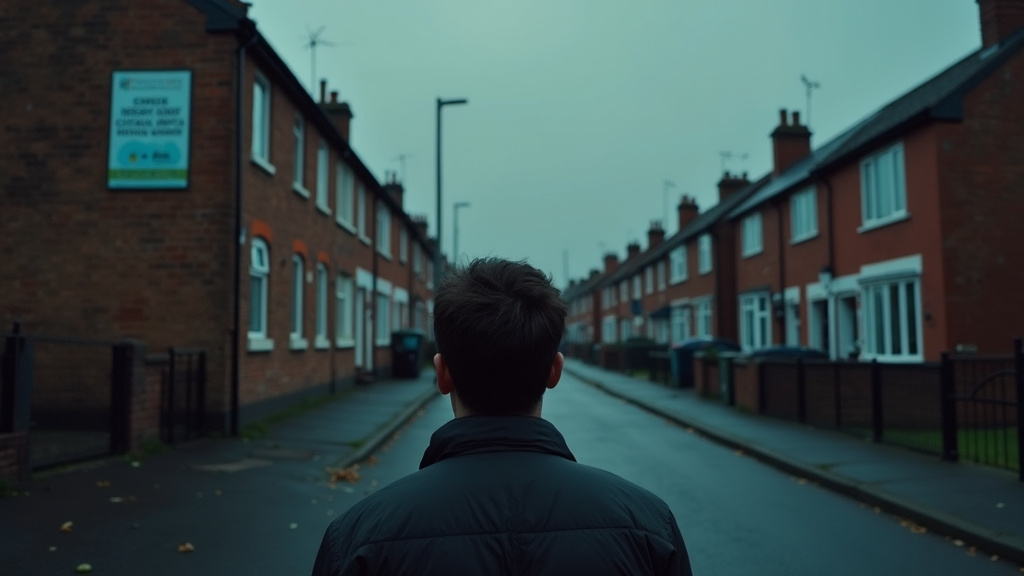
New research reveals a disturbing connection: **Social exclusion death** is a growing concern, particularly in South London. This is especially true for individuals with severe mental illness (SMI). The findings are a significant public health concern. This news highlights a critical issue. People with SMI die much younger, on average, they die 15 to 20 years earlier than others, a clear indicator of **social exclusion death**’s impact.
The Stark Reality: Premature Death and Social Exclusion Death in Severe Mental Illness
Severe mental illness can drastically shorten lives. Conditions like schizophrenia and bipolar disorder are included. These individuals often face complex challenges. Social exclusion plays a major role. It means being shut out from society, contributing to **social exclusion death**. This can be due to poverty or stigma and isolation. Previous studies confirmed exclusion harms general health. However, its specific impact on SMI mortality and the reality of **social exclusion death** was less understood.
Unpacking Social Exclusion in London and its Link to Social Exclusion Death
Social exclusion means lacking full societal participation. It affects material, relational, and civic life. For those with SMI, this exclusion is common. Stigma and discrimination are significant factors, leading to social exclusion and increasing the risk of **social exclusion death**. This can lead to isolation and less support. Socially excluded men face much higher death rates. This is also true for excluded women, underscoring the widespread nature of **social exclusion death**.
The South London Study: Key Findings on Social Exclusion Death
A major study focused on South London. Researchers from King’s College London led it. They analyzed data from over 8,000 people with SMI. This group included those with schizophrenia and bipolar disorders. They compared them to over 580,000 other residents. The study used linked health and census records to understand **social exclusion death**.
Key findings emerged from this data. Indicators of social exclusion were higher in the SMI group. Adverse social conditions strongly correlated with earlier deaths, a direct pathway to **social exclusion death**. This link was evident even in younger individuals. It appeared in those aged 15 to 44. This association was not found in people without SMI. Notably, never being married was a strong factor in early death for younger people with SMI. Economic inactivity also contributed significantly to mortality, exacerbating the effects of **social exclusion death**. The **social determinants of health** are clearly at play.
Broader Implications and Urgent News on Social Exclusion Death
This alarming news suggests a critical gap. Socially-focused interventions are now needed to combat **social exclusion death**. These could include peer support or employment programs. Addressing social determinants is vital. People with SMI often suffer from physical health problems too. Many premature deaths stem from preventable illnesses, a consequence of **social exclusion death**. The COVID-19 pandemic worsened these existing inequalities. Black and Asian adults with SMI saw higher mortality increases. Those in deprived areas faced the greatest risks, highlighting a **South London health crisis** linked to **social exclusion death**.
Moving Forward: A Call for Action on Social Exclusion Death
The study highlights a serious issue. Social exclusion is a major contributor to early death, making **social exclusion death** a critical area for intervention. It is not just about **social exclusion mental health** status. It is about societal structures. More action is urgently required. This news demands attention from policymakers. Closing the **mental illness life expectancy** gap is essential. This is a top priority for public health, addressing the **premature death SMI** issue. The story is still unfolding. Addressing social exclusion can save lives. This is a trending topic in **mental health research findings**, focusing on **stigma and isolation** as drivers of **social exclusion death**.