London’s Southbank Centre has achieved a significant milestone. It is now a protected historic monument. This news marks a major shift. The arts complex was once widely criticized. It was even dubbed ‘Britain’s ugliest building’. Now, it is officially designated Grade II listed. This status provides statutory heritage protection. It ensures the preservation of key parts of the landmark. The Hayward Gallery, Purcell Room, and Queen Elizabeth Hall are included. Walkways, terraces, and the undercroft skatepark also gain protection. This listing concludes a decades-long campaign. It was a 35-year battle for preservation. This recent news is featured prominently in London arts and heritage circles.
A Long Journey to Heritage Status
The journey to this designation was extensive. Campaigners fought for 35 years. The Twentieth Century Society (C20S) led the effort. Historic England also supported the cause. They recommended listing the Southbank Centre multiple times. Their advice was rejected on six occasions. These rejections came from successive culture secretaries. This resistance made the building’s lack of listing an anomaly. Its neighbours, the Royal Festival Hall and National Theatre, already hold listed status. The Royal Festival Hall itself is Grade I listed. The current listing decision was made by the Department for Culture, Media and Sport (DCMS). Heritage Minister Baroness Twycross approved the designation.
From ‘Concrete Monstrosity’ to Cultural Icon
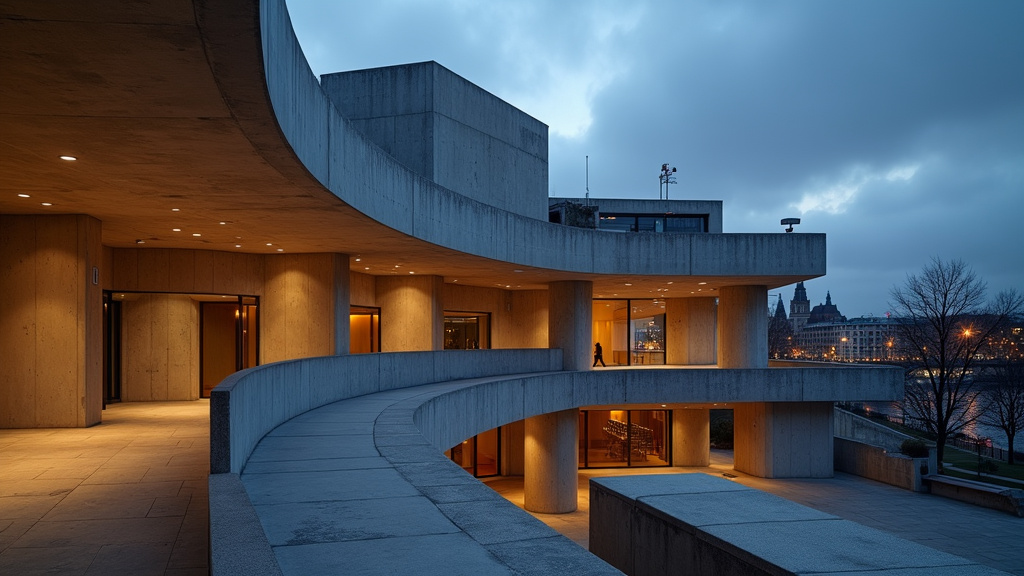
When the Southbank Centre opened in the 1960s, it drew heavy criticism. Readers of the Daily Mail voted it ‘Britain’s ugliest building’. Its Brutalist architecture was a point of contention. Critics cited its exposed concrete and bold, angular forms. Some called it a “concrete monstrosity”. However, perceptions have dramatically evolved. The building is now celebrated. It is admired for its unique Brutalist style. This architectural style emphasizes raw concrete and monumental scale. Historic England noted its “monumental scale” and “fine texture.” They also praised its “exemplary technical skill.” The Southbank Centre complex is now considered a “sculptural masterpiece.” It is seen as a vital example of post-war British Brutalism. Brutalism has truly “come of age.” This designation reflects a mature recognition of this style.
Appreciation Beyond Architecture
Today, the Southbank Centre is cherished by many. Symphony-goers appreciate its cultural offerings. Skateboarders have long utilized its unique architecture. The undercroft skatepark is a famous example. Its spaces are described as “virtuoso.” They offer an experience unlike other venues. The building’s complex design is now seen as a strength. It provides a unique setting for art and performance. This renewed appreciation highlights a shift in public taste. It shows a growing understanding of Brutalist design. The arts complex is a vibrant hub for London. It draws millions of visitors annually.
Architectural Significance and Future Investment
The Southbank Centre’s architecture is significant. It was designed by a team led by Norman Engleback. This group worked for the Greater London Council’s architecture department. Members of the influential Archigram group were also involved. The complex represents post-war optimism and ambition. Its construction between 1963 and 1968 used board-marked concrete. This creates a distinctive texture. The design contrasts with the modernist Royal Festival Hall. This contrast highlights different visions of modernism. The Grade II listing protects these unique features. It prevents unsympathetic alterations. However, the Southbank Centre has requested government investment. They seek £30 million for infrastructure improvements. The listing underscores the need for such support. It aims to ensure the buildings thrive. This news represents a victory for heritage campaigners.
A Landmark Secured
The Southbank Centre’s new status is a landmark achievement. It marks the end of a long fight. It celebrates a controversial building’s transformation. Once derided, it is now a protected icon. This decision recognizes Britain’s Brutalist heritage. It ensures this iconic London landmark is preserved. The future looks bright for this celebrated arts centre. This significant news was widely anticipated.