The Nashville-style fried chicken craze has officially arrived in West London, with Hotville announcing the confirmed opening of its inaugural London store at The Chimes Shopping Centre in Uxbridge. This move marks a pivotal moment for the Midlands-based chain, which has been aggressively scaling its footprint across the UK through a robust franchise model. The new site, managed by franchisee Gohar Zaidi, is set to open its doors this May, acting as both a physical expansion into the capital and a strategic entry into the high-traffic, managed retail environment of a major shopping destination.
Key Highlights
- Strategic London Entry: Hotville will open its first London store at The Chimes Shopping Centre in Uxbridge, a high-footfall destination managed by Savills.
- Franchise Success: The site will be operated by experienced industry professional Gohar Zaidi, representing the seventh location in the brand’s growing portfolio.
- National Ambitions: With five additional sites scheduled to open later this year, Hotville is rapidly cementing its status as a leading player in the UK’s ‘Nashville hot’ fast-casual segment.
- Shopping Centre Pivot: The Uxbridge opening signifies a shift toward high-traffic shopping centre locations, moving beyond standalone high-street units to capture destination-driven consumer spending.
The Strategic Pivot: Entering the London Market
The decision to establish a beachhead in London is rarely a small step for a regional restaurant brand; it is a calculated risk that often separates the local heroes from the national chains. By selecting The Chimes in Uxbridge for their London debut, Hotville is playing a sophisticated game of location strategy. Unlike the scattered high-street models that dominated their early growth in Leicester and Birmingham, this move targets a controlled, high-density environment managed by Savills.
Understanding the ‘Destination’ Play
Shopping centres offer a ‘captive audience’ dynamic that differs significantly from traditional town centres. Foot traffic in centres like The Chimes is generally purposeful—people are there to shop, socialise, and dine. For a brand like Hotville, which focuses on a distinct, crave-able product, this environment provides immediate exposure to a diverse demographic that might otherwise never encounter a standalone store on a quiet suburban road. The partnership with an established management group also reduces the logistical hurdles of property maintenance and site security, allowing the brand to focus on what matters most: operational consistency. This strategic shift reflects a broader trend in the QSR (Quick Service Restaurant) industry, where brands are increasingly prioritizing ‘experience destinations’ over mere convenience.
The Role of Franchisee Gohar Zaidi
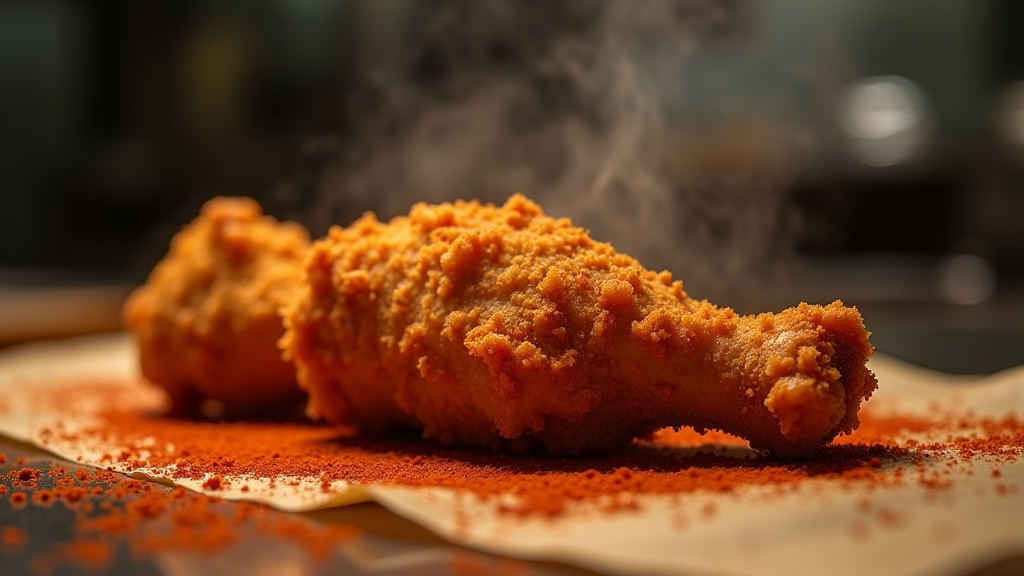
Behind every successful franchise expansion is a partner, and in this instance, Gohar Zaidi is the operator tasked with translating the Hotville experience into the London market. Zaidi’s background as an industry professional is a critical asset. In the world of fried chicken, consistency is everything. The ‘Nashville hot’ profile is technically demanding; it requires precision in marination, breading, and the application of proprietary spice blends. Zaidi’s role involves not just managing the storefront but maintaining the brand’s high operational standards while navigating the complexities of a new, competitive market like London. His decision to back Hotville underscores the brand’s strengthening reputation as a viable, high-ROI business model in the UK’s current economic climate.
The Hotville Blueprint: A Franchised Success Story
Hotville’s trajectory from a single shop on Uppingham Road in Leicester in 2021 to a multi-site national contender is a textbook case of disciplined scaling. Co-founder Usman Ganny has emphasized a model that relies heavily on franchise support—from site selection to store fit-out and turn-key operational training. This ‘hand-holding’ approach for franchisees is a key differentiator in a market saturated with independent operators who often lack the scale to negotiate better supply chains or consistent marketing efforts.
The Economics of the ‘Hot’ Segment
The Nashville hot chicken category has seen explosive growth, largely due to its high-impact flavor profile and social media-friendly aesthetics. However, the business model behind it is notoriously thin-margin. By leveraging an exclusive delivery agreement with UberEats, as noted in previous reporting on the company’s record-breaking holiday sales, Hotville has managed to diversify its revenue streams. This dual-channel approach—in-store dining for the experience and delivery for convenience—is essential for modern QSR viability. The scalability of this model is being tested in real-time as they approach their goal of over 100 locations. The investment packages, ranging from £80,000 to £300,000, cater to a wide spectrum of partners, from small-format kiosk operators to large-scale dine-in restaurant owners. This flexibility allows the brand to adapt its footprint to the specific real estate constraints of different towns and cities.
Nashville Hot Chicken: A Culinary Trend or Permanent Shift?
Critics often argue that ‘food trends’ are fleeting, but the sustained success of brands like Hotville suggests that the Nashville-style chicken concept has moved past the ‘trend’ phase and into the ‘staple’ category of the British diet. Unlike the standard American fried chicken that dominated UK high streets for decades, the Nashville iteration offers a more customizable, craft-focused experience. The emphasis on heat levels, unique spice blends, and the ‘loaded’ accompaniment culture resonates with a generation of diners who value customization and sensory impact.
The ‘Spice’ Factor
Cultural integration is key here. The brand’s early commitment to halal Nashville chicken helped it gain immediate traction in diverse, multi-cultural UK communities. By aligning culinary authenticity with broad accessibility, Hotville has effectively carved out a niche that appeals to a wide variety of diners. As they expand into Uxbridge and beyond, the challenge will be maintaining that ‘authentic’ feel while scaling for mass consumption. The company’s continued investment in specialized equipment, designed to ensure consistent spice application and fry quality, suggests they are prioritizing long-term quality over short-term rapid growth.
FAQ: People Also Ask
Q: When exactly is the Hotville Uxbridge store opening?
A: The store is slated to open in May 2026, though specific dates are usually subject to final fit-out approvals within the shopping centre.
Q: Is Hotville expanding beyond London and the Midlands?
A: Yes, the brand has stated ambitions to become a national chain and is actively scouting for locations across the UK, with specific interest in major cities and transit hubs.
Q: What makes Hotville different from other fried chicken chains?
A: The brand specializes in ‘Nashville-style’ fried chicken with specific, proprietary spice levels and a halal-first approach, coupled with a technology-forward delivery strategy via UberEats.
Q: How can I become a Hotville franchisee?
A: Hotville is actively inviting applications from prospective franchisees. Interested parties are directed to their official website or can meet representatives at franchise trade shows, such as the International Franchise Show.