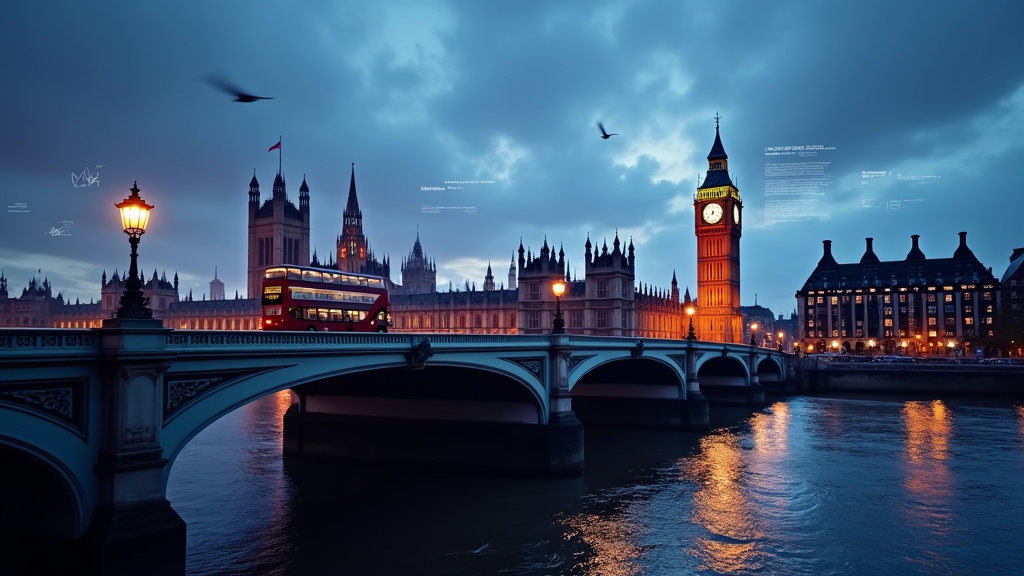
The introduction of a London Tourist Levy on overnight stays is on the horizon, aiming to generate significant revenue for the city and support crucial infrastructure improvements. This new visitor levy UK aims to enhance the overall visitor experience. The proposal aligns London with many global cities that already implement similar charges, making the London Tourist Levy a trending topic for the capital’s tourism sector.
Legislative Backing and Mayoral Support for the London Tourist Levy
The initiative is progressing through the English Devolution and Community Empowerment Bill. This legislation would grant mayors and local authorities new powers to implement a London Tourist Levy. Chancellor Rachel Reeves is expected to empower leaders to introduce these levies. Mayor of London Sadiq Khan has cautiously welcomed the plans. He has long advocated for London to have similar fiscal powers to other major international destinations, believing this visitor levy UK will ‘supercharge London’s economy’ and cement its global standing.
Funding London’s Future with Tourism Revenue
The core purpose of the London Tourist Levy is to reinvest revenue directly into the city. Potential funding areas include upgrading public transportation, improving tourism services, and enhancing cultural offerings. Experts estimate that even a modest charge could generate between £240 million and £250 million annually for London alone. This tourism revenue could help manage the pressures of high visitor numbers and ease the financial burden on local taxpayers. The funds generated by the London Tourist Levy could support improvements to iconic streets and cultural venues.
Potential Implementation Models for the London Tourist Levy
While final details are not yet confirmed, the London Tourist Levy could take various forms. The Greater London Authority (GLA) is exploring options. These include a percentage-based charge on accommodation costs, or a flat nightly fee is also being considered as part of the London tourist tax. Other global cities employ different models for their city funding tourism initiatives. New York City raises substantial revenue through its percentage-based tax. Tokyo uses a flat fee for all accommodation bookings. Experts suggest a percentage-based or flat-fee model would suit London, as it lacks a formal hotel star-rating system.
A Global Trend in Visitor Levy UK Schemes
England is currently the only G7 country that restricts local governments from imposing tourist taxes. Scotland and Wales have already implemented similar measures. Edinburgh will introduce a 5% levy next summer, and Glasgow plans a similar charge from January 2027. Manchester became the first UK city to implement a £1 per night scheme in April 2023. Liverpool is also proposing a £2 nightly levy. This global trend shows cities using visitor taxes to fund local projects and manage tourism, with the London Tourist Levy set to join this growing list.
Industry Reactions and Concerns Regarding the London Tourist Levy
The proposal for a London Tourist Levy has garnered mixed reactions. Supporters, like the Centre for London, argue the levy is long overdue, bringing London in line with other global cities. They also highlight that reasonable fees typically have minimal impact on visitor numbers. However, the hospitality industry has voiced concerns. UKHospitality warns that the added cost of the London tourist tax could deter visitors. They fear it may impact competitiveness and lead to job losses. Businesses worry that this tax, combined with other rising costs, could harm London’s appeal, despite the potential for significant city funding tourism.
What’s Next for the London Tourist Levy
The English Devolution and Community Empowerment Bill is progressing through Parliament. Once passed, it will grant mayors the authority to introduce such levies, including the London Tourist Levy. City Hall will likely engage in further consultations with the hospitality sector and local communities. The specific timing and exact structure of the London tourist tax are still to be determined. This significant development promises to reshape how visitors can explore and enjoy London, potentially revolutionizing the city’s infrastructure and visitor experience for years to come. This news offers a glimpse into how cities are adapting to fund essential services and enhance their appeal for tourists looking to enjoy world-class attractions, with the London Tourist Levy set to contribute to these efforts.