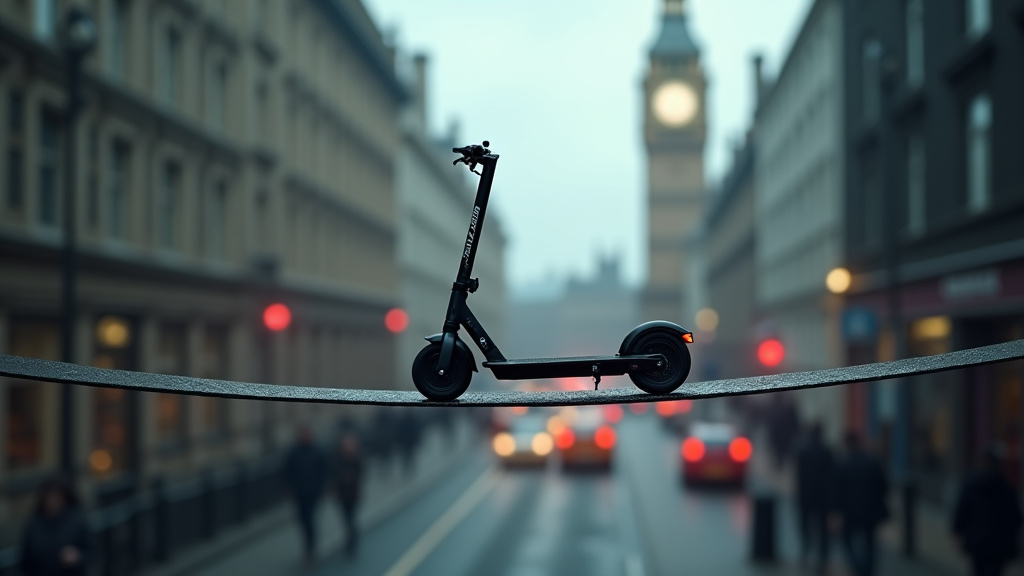
London’s transport committee has given a cautious endorsement to the expansion of e-scooter trials, prioritizing ‘equity’ in mobility despite ongoing safety concerns. The decision signals a potential shift towards more widespread acceptance of personal electric mobility devices within the city, though significant hurdles remain.
Key Highlights:
- E-scooter trials in London are set to be extended following committee backing.
- The decision emphasizes ‘equity’ in extending mobility options.
- Safety concerns remain a primary obstacle to full rollout.
- The move could pave the way for a more integrated approach to micro-mobility in the capital.
E-Scooter Expansion: A Balancing Act for London’s Streets
The Transport Committee has signaled a willingness to extend the e-scooter trials currently underway in London, a move framed by proponents as crucial for promoting “equity” in urban transportation. This endorsement comes despite persistent safety anxieties and a lack of comprehensive data on their long-term impact. The committee’s stance suggests a growing recognition of the role micro-mobility solutions can play in modernizing city transit, offering a potentially greener and more accessible alternative to traditional transport methods. However, the path forward is far from clear, with significant questions lingering over rider behavior, infrastructure readiness, and the overall risk profile associated with these devices. The current trials, limited to specific boroughs and governed by strict regulations, are seen as a testing ground. The committee’s ‘backed by committee’ statement implies an openness to broadening these trials, potentially to include more areas or even a more permanent legal framework, provided that safety and regulatory challenges can be adequately addressed. This delicate balancing act underscores the complex interplay between innovation, public safety, and urban planning in contemporary city management.
The Equity Imperative
Central to the committee’s endorsement is the concept of ‘equity.’ The argument is that e-scooters can provide essential mobility for individuals who may not have access to private vehicles or who find traditional public transport options inconvenient or insufficient. This perspective highlights the potential for e-scooters to bridge transportation gaps, particularly in areas underserved by existing networks. It also speaks to a broader vision of a multi-modal city where various forms of transport coexist and complement each other. The focus on equity suggests a move away from a one-size-fits-all approach to transport, acknowledging the diverse needs of London’s population. However, critics argue that ‘equity’ should not come at the expense of public safety, and that a rush to expand could disproportionately affect vulnerable road users.
Navigating Safety Concerns
The shadow of safety concerns looms large over the e-scooter debate. Reports of accidents, injuries, and the misuse of e-scooters on pavements and in pedestrian areas have fueled public apprehension. The legality of private e-scooters remains a contentious point, with only rental e-scooters approved for use in designated trial zones. Establishing clear rules of the road, ensuring riders are properly trained and insured, and enforcing regulations effectively are paramount. The committee’s backing likely hinges on the expectation that ongoing trials will provide robust data to inform future policy, allowing for evidence-based decision-making rather than reactive measures. The experience of other cities globally, with varying degrees of success and challenges, serves as a crucial reference point for London’s own strategy. Effective regulation, public awareness campaigns, and investment in appropriate infrastructure will be key to mitigating risks.
The Regulatory Tightrope
London’s regulatory environment for e-scooters is a complex tapestry woven from national legislation, local by-laws, and the specific terms of ongoing trials. The distinction between privately owned e-scooters (which remain illegal on public roads) and those participating in trials is critical. This dual status creates confusion and enforcement challenges. As trials expand, there will be increasing pressure to harmonize regulations and potentially create a clearer legal pathway for e-scooters. This could involve defining speed limits, mandating helmet use, establishing dedicated lanes, and clarifying insurance requirements. The outcome of these trials will significantly influence whether London moves towards a more permissive stance, akin to some European cities, or maintains a more cautious approach. The involvement of bodies like the Department for Transport (DfT) and Transport for London (TfL) in overseeing these trials is integral to this process.
FAQ: People Also Ask
Are e-scooters legal in London?
Currently, only rental e-scooters that are part of official trials in specific boroughs are legal to use on public roads in London. Privately owned e-scooters are still illegal to use on public roads and pavements, though they can be used on private land.
What are the safety concerns with e-scooters?
Primary safety concerns include rider inexperience leading to falls, collisions with pedestrians and other vehicles, and the potential for serious injury due to the speeds e-scooters can reach. Misuse, such as riding on pavements or under the influence, also poses significant risks.
How is ‘equity’ being considered in the e-scooter debate?
‘Equity’ in this context refers to ensuring that e-scooters can provide accessible and affordable mobility options for a wider range of people, particularly those in underserved areas or those who face barriers using traditional transport. The aim is to broaden transport choices and reduce mobility poverty.
What is the role of Transport for London (TfL) in the e-scooter trials?
Transport for London (TfL) is a key body overseeing the current e-scooter trials in London. They work with operators to implement safety measures, monitor usage data, and ensure compliance with regulations. TfL plays a crucial role in advising on the future of e-scooter integration within the city’s transport network.