Wealdstone South’s Waste Crisis: Council’s £348,000 Dilemma Amid Housing Development Plans
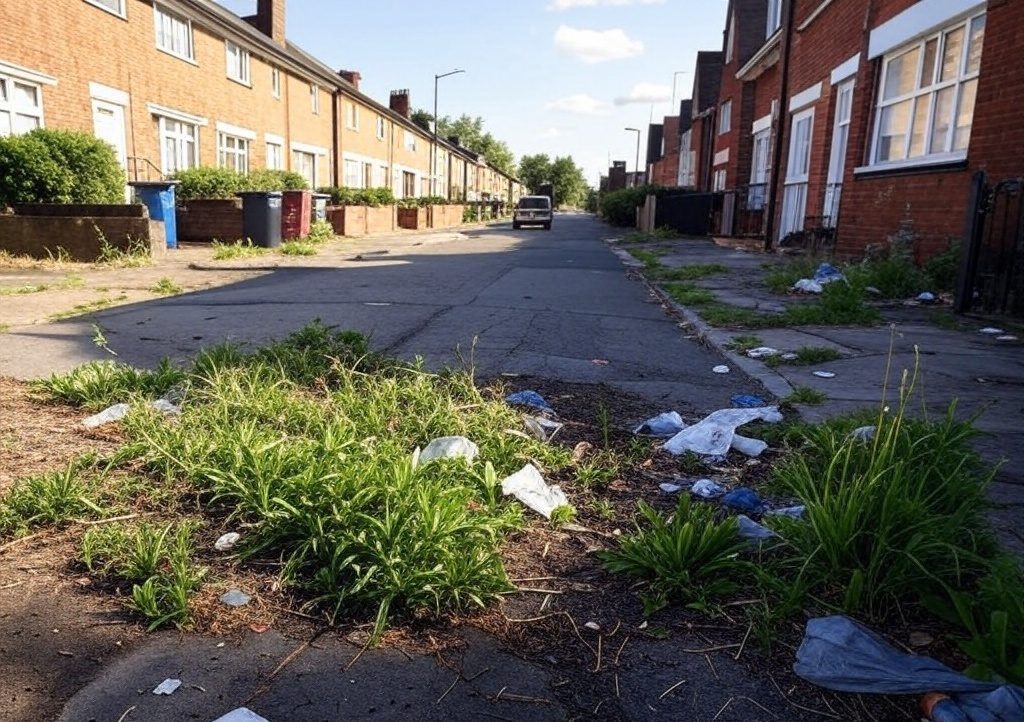
The London Borough of Harrow is currently grappling with a significant waste management issue, facing a staggering £348,000 bill to clear tonnes of illegally dumped waste from a site earmarked for a new housing development in Wealdstone South. This council-owned property, previously utilized for parking special needs minibuses until 2023, has unfortunately transformed into a hotspot for fly-tipping, complicating plans to construct 149 new homes on the plot known as Byron Quarter.
During a recent heated council meeting held on February 27, opposition councillors expressed their frustration, asserting that local taxpayers are now burdened with the financial repercussions of the Conservative administration’s inability to secure the vacant land over the past 18 months. Labour Group Leader, Cllr David Perry, did not hold back in his criticism, especially in light of the council’s plans to increase council tax by 4.99 percent. He stated, “The first £348,000 raised will, in the coming weeks, go towards clearing an absolute dump of a site at the old driving school where tonnes and tonnes and tonnes of waste has been fly-tipped, dumped and left to rot for months on end.”
Adding to the gravity of the situation, Cllr Perry expressed concerns regarding potential contamination of the pond on the site, indicating, “the pond on that site is now likely contaminated and, given the sheer volume of waste, there is likely to be potentially dangerous and hazardous building and construction material on that site.”
The Political Back-and-Forth
The political discourse surrounding this issue has been intense. Conservative Council Leader Paul Osborn responded to the accusations made by the Labour party, labeling their remarks as “bare-faced cheek.” He emphasized the serious nature of the crime, stating, “There has been a criminal fly-tip on that site. To be clear, the people doing the fly-tip were industrial in the scale that they did it; they forced entry onto the site and disposed of the [waste]. There is a limit to what the council is able to do when it comes to securing these things.”
Former Labour Leader Graham Henson countered Osborn’s defense by suggesting that the administration should have taken better care of the site following its vacancy. He pointedly remarked, “It is his fault that he is arranging to pay all this money because he did not secure the site.”
In response, Osborn defended the administration’s vision for the site, stating, “What we have done is actually come forward with a good use for this site. I don’t believe using it to park special needs transport vehicles is a good use of [it]. I believe providing family homes that back onto the park, that enhance the Belmont Trail, and enhance the area is what we need to do.”
The Development Plans
The proposed development plans, which were approved by the Planning Committee on February 6, include a six-storey apartment block consisting of 78 properties alongside 71 terraced houses. However, there is significant concern regarding the proportion of affordable housing included in the plans. Only 27 percent of the new homes will be classified as affordable, which falls notably short of the council’s target of 40 percent. This shortfall has been attributed by council officers to lower-than-expected profits from the housing scheme.
As the council navigates this crisis, the implications of the waste removal and the housing development extend beyond mere financial burdens. They touch upon issues of community welfare, environmental safety, and the need for responsible urban planning. The illegal dumping not only threatens to contaminate local wildlife but also raises questions about the effectiveness of current waste management policies in the borough.
Community Impact and Safety Concerns
The ramifications of the fly-tipping incident are felt throughout the Wealdstone South community. Residents are understandably concerned about the safety of the area, particularly with the knowledge that hazardous materials may be present on the site. The potential for contamination poses health risks not just to local wildlife but also to residents living in proximity to the affected area.
Moreover, the delay in the housing project due to these unforeseen circumstances could exacerbate the already pressing housing crisis in Harrow. With demand for affordable housing at an all-time high, the postponement of the Byron Quarter development serves as a stark reminder of the challenges faced by local governments in balancing urban development with environmental stewardship.
Long-term Solutions and Preventative Measures
To prevent similar situations in the future, the Harrow Council must consider implementing more stringent measures for site security and illegal dumping prevention. This could include:
- Increased surveillance of vacant properties to deter fly-tipping.
- Community engagement programs to educate residents about the importance of responsible waste disposal.
- Collaboration with local law enforcement to identify and penalize individuals or groups involved in illegal dumping.
- Regular site maintenance to ensure that vacant lands do not become attractive targets for fly-tippers.
Furthermore, the council should explore partnerships with environmental organizations to develop comprehensive waste management strategies that prioritize sustainability and community health. By addressing the root causes of fly-tipping and prioritizing responsible development, Harrow can work towards a cleaner, safer, and more sustainable future for its residents.
Conclusion
The current situation in Wealdstone South is a complex mix of political accountability, community safety, and environmental responsibility. The £348,000 bill for clearing illegally dumped waste not only highlights the challenges faced by the Harrow Council but also underscores the need for effective waste management strategies and proactive urban planning. As the council moves forward with the Byron Quarter development, it must take into account the voices of its constituents and prioritize both housing needs and environmental safety. The outcome of this situation will not only impact the immediate community but will also set a precedent for how urban areas handle waste management and housing development in the future.