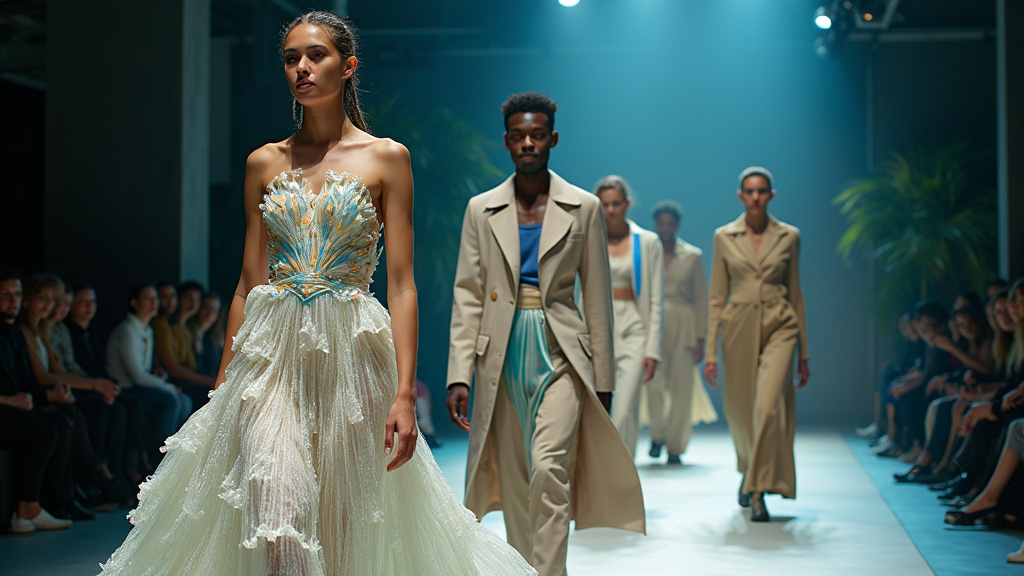
London Fashion Week (LFW) September 2025 has concluded, marking a significant turning point with a profound emphasis on creative designer vision and a robust drive towards sustainability. The event, held from September 18th to 22nd, showcased the enduring spirit of innovation within the UK’s fashion capital, heralding a new era shaped by conscious practices and a celebration of diverse talent. Under the new leadership of British Fashion Council (BFC) CEO Laura Weir, LFW has introduced pivotal changes, including waiving physical show fees for designers and enhancing its international guest program, fostering a more accessible and globally impactful platform. This strategic shift has resulted in a richer, more dynamic schedule, underscoring London’s unique position as a global stage for creative Britain.
A Tapestry of Designer Talent
This season’s LFW celebrated a compelling blend of established fashion houses and exciting emerging talents, all contributing to the event’s vibrant narrative. Veterans like Burberry, Erdem, Roksanda, and Simone Rocha, many celebrating significant anniversaries, presented collections that spoke to both heritage and contemporary relevance. Daniel Lee’s Burberry show, held in a vast gabardine tent evoking British summer, featured trench coats, tartan, and structured suits, alongside subtle nods to the countryside. Roksanda, marking two decades in the industry, offered a sculptural homage to modernist sculptor Barbara Hepworth, blending architectural tailoring with painterly prints.
Alongside these established names, a new generation of designers captured significant attention. Oscar Ouyang presented gender-neutral knitwear inspired by military wear and street style, experimenting with feathers and intricate knit techniques. Conner Ives continued to impress with vibrant, upcycled collections, notably featuring a ‘Protect the Dolls’ T-shirt that has raised substantial funds for trans rights. Tolu Coker, recognized as a sustainability trailblazer, showcased unisex designs made from deadstock materials, championing ethical production and social change. Maximilian Raynor brought playful narratives to his LFW debut, drawing inspiration from historical eras, while Jawara Alleyne injected bold color into the trending palette. The emerging designers collectively underscore London’s reputation as a hub for unique, forward-thinking talent.
The Sustainability Imperative Takes Center Stage
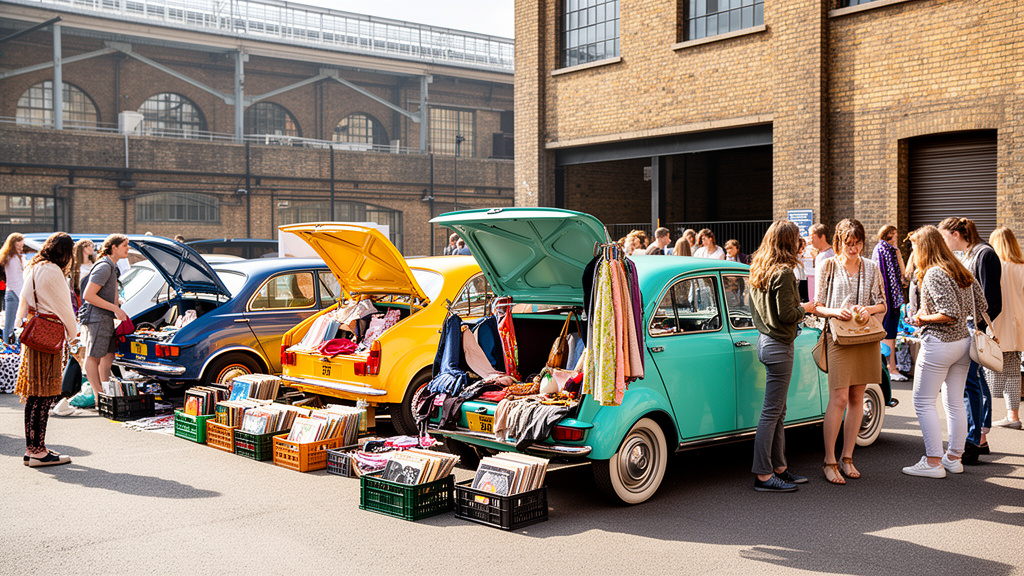
Sustainability was not merely a buzzword but a fundamental element woven throughout LFW September 2025. The event actively championed circular fashion and eco-conscious practices, moving beyond traditional fashion cycles. eBay’s “Endless Runway” and Oxfam’s “Style for Change” show, curated by Bay Garnett in collaboration with Vinted, highlighted the creativity and excitement of second-hand and vintage fashion, challenging outdated stigmas.
Designers also pushed boundaries with innovative materials. VIN + OMI unveiled world-first textiles crafted from plant waste sourced from the Sandringham estate, including a fabric made from red-barked dogwood and another from recycled milk cartons, continuing their collaboration with King Charles III. Marie Lueder’s collection incorporated recycled T-shirts and vintage football kits, utilizing materials like organic cotton knit and regenerated ocean plastic. The emphasis on responsible production, ethical sourcing, and the repurposing of materials signals a significant shift towards a more sustainable fashion future for London.
Key Trends and Future Directions
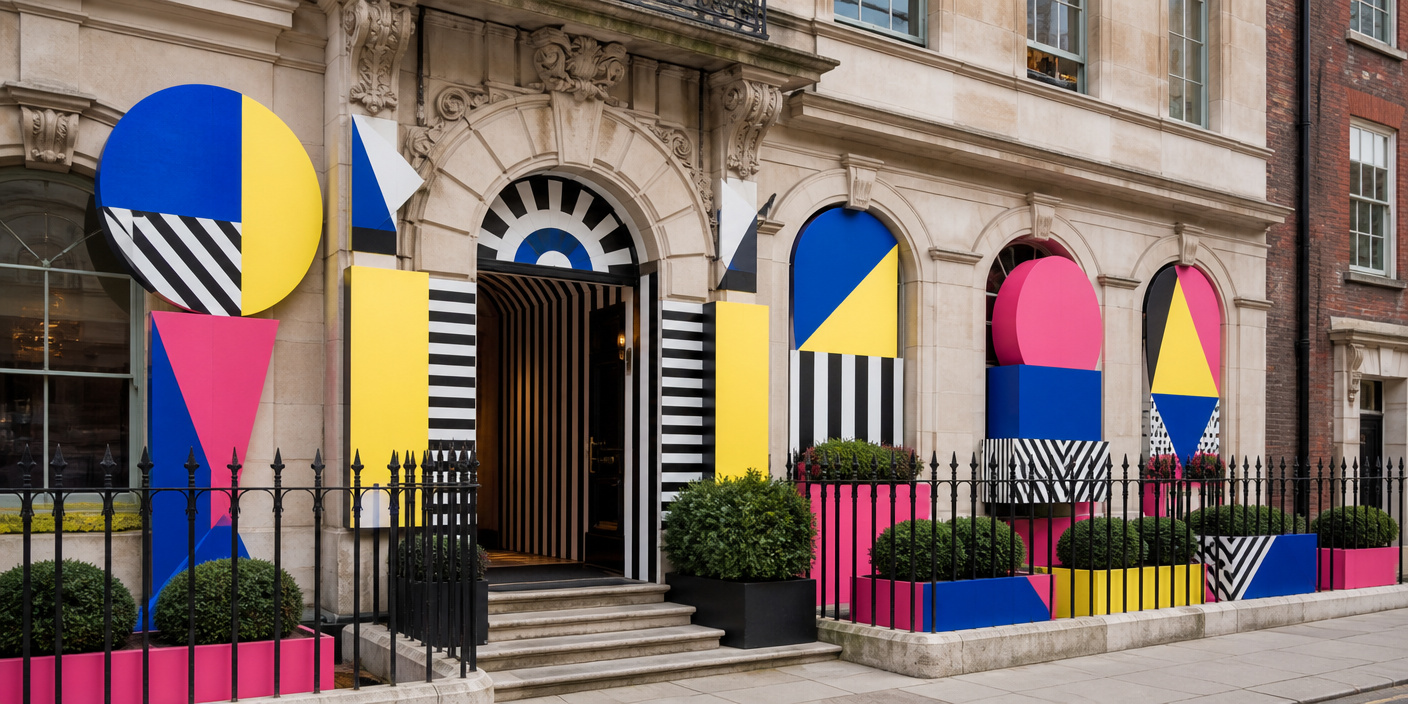
LFW SS26 collections offered a glimpse into upcoming global fashion trends. A dominant theme was the embrace of bold colors, with electric hues like neon blues, hot pinks, and acid yellows making a statement, alongside vibrant chartreuse shades. Romanticism, perhaps influenced by the V&A’s “Marie Antoinette Style” exhibition, was prevalent, seen in voluminous silhouettes, crinoline skirts, and delicate fabrics at shows like Simone Rocha and Erdem.
Heritage played a significant role, with brands like Burberry and Margaret Howell x Barbour reinterpreting classic British country aesthetics with modern twists. Nostalgia also surfaced, with influences from the 90s and early 2000s appearing in collections from Chopova Lowena and Ashley Williams. The event’s focus on emerging talent and innovative approaches to design, coupled with a strong commitment to sustainability, confirms London Fashion Week’s position as a leader in shaping the future of fashion. Attendees and designers alike could explore new aesthetics and enjoy the creative energy that defined this groundbreaking season.