Advocates and community leaders in London, Ontario, are urgently calling for the establishment of more “culturally safe” medical spaces to bridge critical treatment gaps, emphasizing the growing need for inclusivity and belonging within the city’s healthcare system. This burgeoning discussion highlights a critical juncture for London’s society as it grapples with increasing diversity and the imperative for equitable health outcomes.
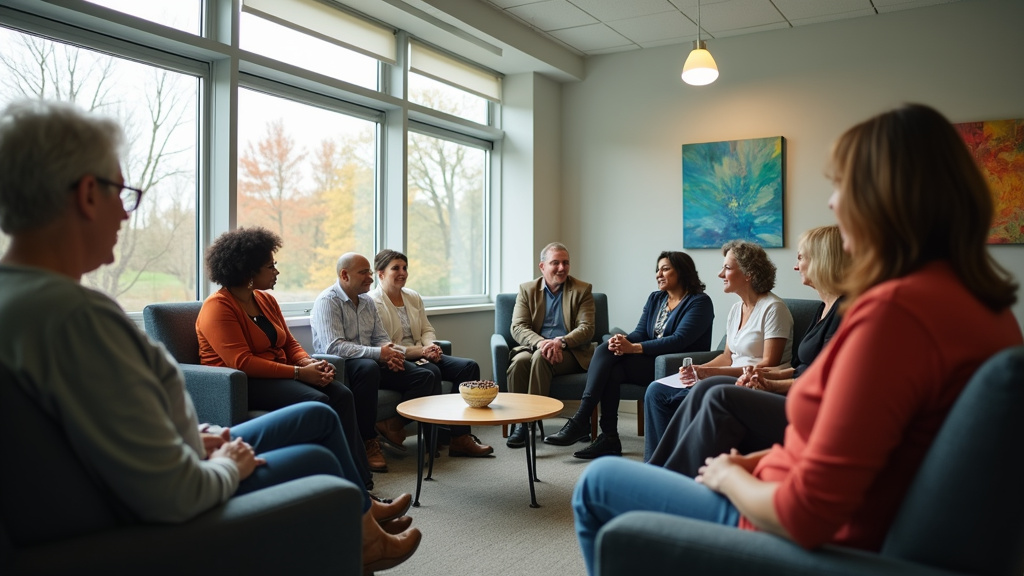
The recent gathering, dubbed “The Big Picture,” brought together leaders from various non-profit and community organizations to address how to enhance community health, inclusion, and overall well-being across the southwestern Ontario city. The central theme resonating through the discussions was the health sector’s responsibility to adapt to London’s evolving demographic landscape and to proactively prioritize cultural safety for Indigenous, Black, Indigenous and People of Colour (BIPOC), and diverse gender identity communities.
“It’s the creation of a space where people feel heard, where they feel safe, where they have people like them who understand their lived experience,” explained one advocate, emphasizing that cultural safety goes beyond mere cultural awareness. It involves creating environments where individuals feel respected and understood, fostering trust that is often eroded by systemic barriers and historical injustices.
Dr. Alex Summers, the Medical Officer of Health for the Middlesex-London Health Unit, echoed these sentiments, noting that community health is intrinsically linked to reducing disparities. “Communities and populations that thrive often have a tighter gap between the poorest and richest, and the least healthy and most healthy,” Dr. Summers stated. “In order for us to create a whole community health population that is truly healthy, bringing everyone in that community into connectedness, inclusion and belonging is absolutely key.”
Addressing Systemic Barriers and Diversity
London’s demographic makeup is shifting significantly. Census data reveals a notable influx of newcomers, with a substantial portion identifying as immigrants and recent arrivals from diverse global backgrounds. This growing diversity necessitates a healthcare system that mirrors and respects the varied cultural backgrounds, beliefs, and experiences of its residents. However, persistent issues of racism, discrimination, and a lack of cultural understanding create significant barriers to accessing timely and appropriate care.
For Indigenous communities, the legacy of colonialism has resulted in deep-seated distrust and systemic discrimination within healthcare systems, leading to reluctance in seeking mainstream medical services. Similarly, BIPOC communities and individuals from diverse gender identities report experiencing prejudice and inequitable treatment, contributing to significant health disparities. Data indicates a concerning rise in hate crimes in London, impacting 2SLGBTQ+, Black, Muslim, Jewish, and other minority communities, underscoring the pervasive nature of discrimination.
The Concept of Culturally Safe Care
Culturally safe healthcare is not merely about providing services in a way that acknowledges different cultures; it is about creating an environment where patients feel empowered and safe, free from judgment or discrimination. This approach acknowledges the power dynamics inherent in healthcare interactions and aims to dismantle those that disadvantage marginalized groups.
Initiatives such as the Indigenous Healing Space at London Health Sciences Centre (LHSC), developed in partnership with Atlohsa Family Healing Services, offer a tangible model for culturally safe care. This space provides traditional Indigenous health practices and care, demonstrating how integration with community-based services can significantly improve patient experience and outcomes. Such efforts are vital for bridging the gap between Indigenous healing traditions and Western medicine, ensuring a more holistic approach to care.
Towards an Inclusive Healthcare Future
Beyond specific community-focused spaces, there is a broader call for systemic changes. This includes implementing comprehensive cultural safety training for all healthcare professionals, as mandated in some capacities across Ontario. Furthermore, organizations like the Middlesex-London Health Unit are actively working to address specific inequities, such as their Anti-Black Racism Plan, which aims to improve relationships and challenge injustices.
Dr. Summers also points to broader public health challenges, such as the ongoing opioid crisis and the impacts of substance use, which disproportionately affect vulnerable populations and require addressing underlying health inequities. Poverty and housing instability further exacerbate these challenges, making it even harder for individuals to access essential resources, including healthcare.
The push for more culturally safe medical spaces in London reflects a trending recognition across society that equitable health outcomes are fundamental to community well-being. As the city continues to grow and diversify, fostering an inclusive and responsive healthcare system that prioritizes the lived experiences of all its residents is not just a matter of best practice, but a pressing necessity. This ongoing news highlights a community committed to building a healthier, more equitable future for everyone.