Major Milestone in Thames Revitalization
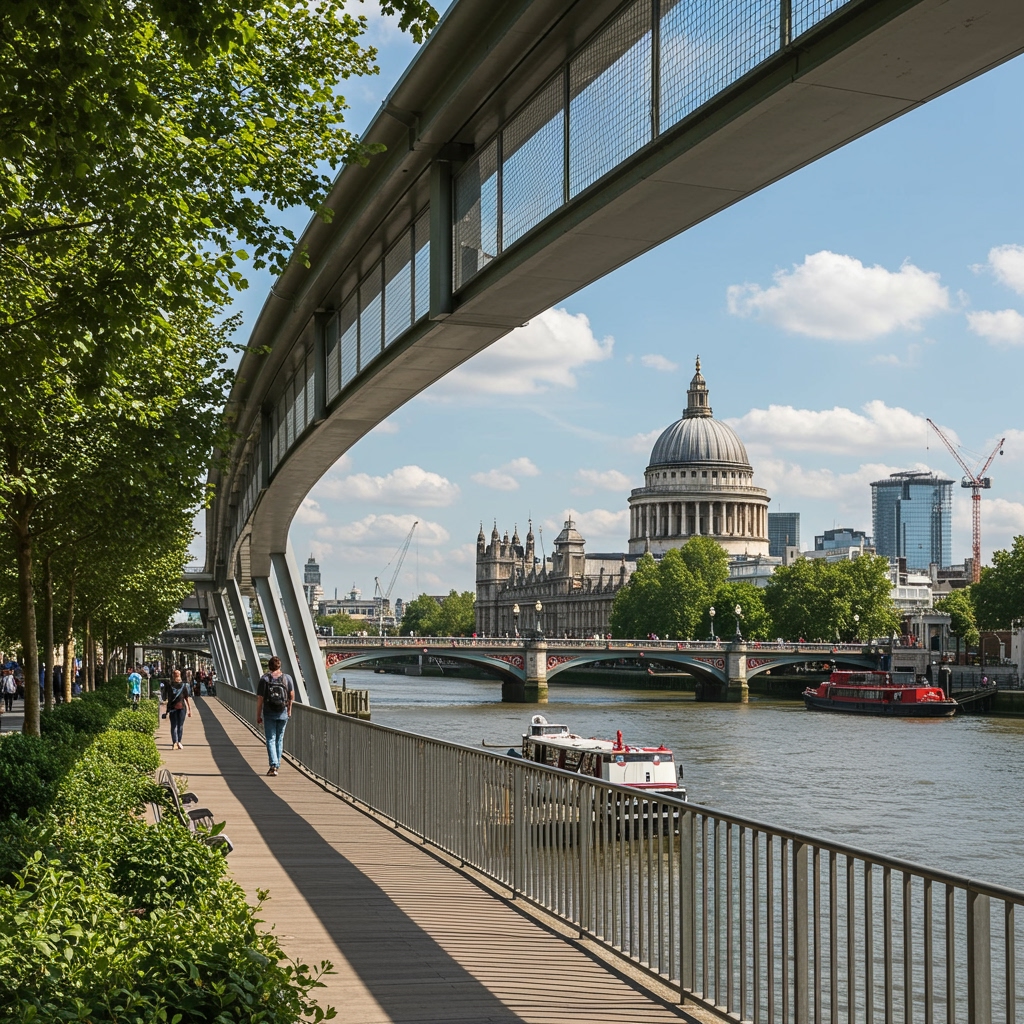
London marked a significant step forward in its ambitious Thames Riverfront Revitalization project today, June 6, 2025, with the official opening of a major new section of walkway and associated public parks along the South Bank. This key phase of the ongoing initiative dramatically expands public access and introduces vital new green spaces, transforming a substantial stretch of the iconic riverside into a vibrant and accessible urban realm. The unveiling represents the culmination of extensive planning, design, and construction efforts aimed at enhancing the quality of life for residents and visitors alike, reinforcing the Thames’s role as the city’s central artery.
Transforming the South Bank Riverfront
The newly opened section is a core component of the broader vision to create a continuous, high-quality public path along both banks of the Thames. This specific phase, situated on the bustling South Bank, adds over 1.5 miles of enhanced pedestrian and cycle paths. These pathways have been designed not only for improved connectivity and ease of movement but also with aesthetic and environmental considerations in mind, likely featuring durable, attractive surfacing, integrated lighting for safety, and ample seating areas to encourage lingering and enjoyment of the river views. The extension significantly improves active travel options, allowing cyclists and pedestrians to traverse longer distances along the river with greater safety and comfort, linking previously disconnected areas and improving access to existing cultural institutions and transport hubs.
A Tapestry of Green Space and Public Art
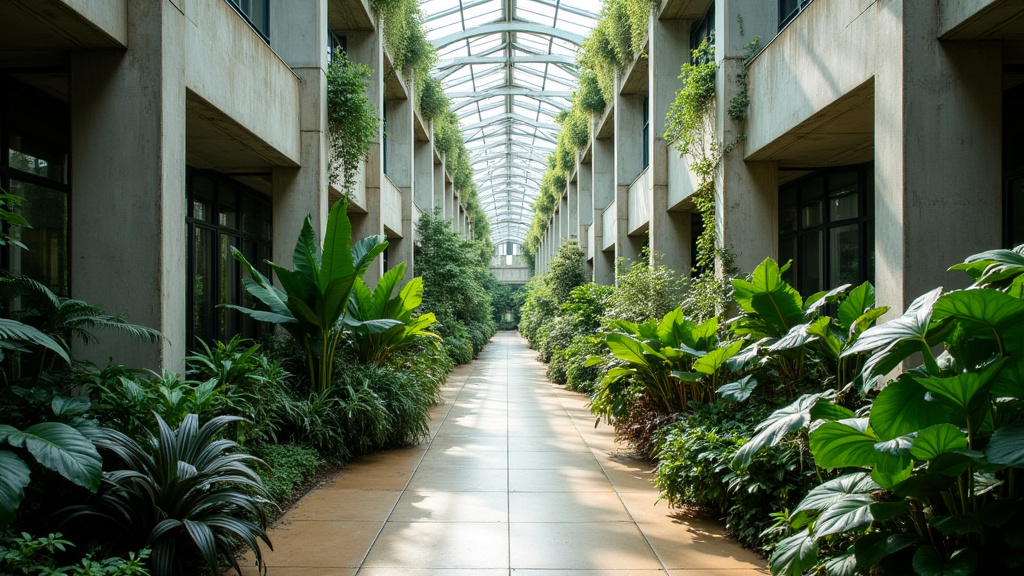
Beyond the primary pathways, this new section introduces several new pocket parks. These strategically placed green oases serve multiple purposes: providing tranquil retreats from the urban hustle, enhancing the visual appeal of the riverfront, and contributing to urban biodiversity. The parks feature extensive native plantings, carefully selected to thrive in the riverside environment and provide habitat for local wildlife, supporting insects, birds, and other species. Integrated within these green spaces are public art installations. These artworks add a layer of cultural enrichment and visual interest, creating unique focal points and encouraging discovery along the route. The combination of green infrastructure and public art aims to create a dynamic, engaging, and environmentally conscious public space.
Fostering Connectivity and Active Lifestyles
The overarching objectives of this new section are multifaceted, centered around boosting connectivity, providing recreational opportunities, and enhancing biodiversity. By creating a seamless path, the project significantly improves physical links along the South Bank, making it easier to navigate the area without relying solely on motorized transport. The availability of dedicated, enhanced paths encourages active travel, supporting cycling and walking as viable modes of transport for commuting and leisure. The parks and improved pathways offer abundant recreational opportunities, from jogging and cycling to leisurely strolls, picnics, and simply relaxing by the water. This emphasis on active travel and leisure aligns with broader city health and sustainability goals.
A Model of Collaborative Urban Development
This significant undertaking was made possible through a robust partnership involving several key entities. Transport for London (TfL) played a crucial role, leveraging its expertise in infrastructure development and connectivity. Local boroughs, through which the riverfront passes, provided essential local knowledge, planning support, and likely will be involved in the ongoing maintenance of the new public spaces. Furthermore, the project benefited from the support of private donors, whose contributions likely facilitated specific enhancements, such as the public art installations or particular landscaping features. This collaborative model involving governmental bodies and private philanthropy exemplifies the complex, multi-stakeholder approach often required for major urban regeneration projects of this scale and significance.
Contributing to London’s Greener Future
The opening of this new section is not an isolated event but is positioned as part of a larger, city-wide effort. This broader initiative is focused on improving London’s urban green infrastructure and promoting active travel and leisure across the capital. By increasing the amount of high-quality green space and enhancing pedestrian and cycle networks along the river, the project contributes directly to making London a greener, healthier, and more sustainable city. The Thames, as London’s iconic river, serves as a natural spine for much of this development, offering unique opportunities to integrate ecological enhancement with public access. This phase on the South Bank is a critical piece in the larger mosaic of projects working towards a more connected, biodiverse, and enjoyable urban environment for all Londoners and its many visitors.