London’s Cultural Lifeline at Risk: Report Reveals 30% of Arts & Community Spaces Face Imminent Closure
London, UK – A stark warning has been issued regarding the future of the capital’s independent arts venues and community spaces, crucial hubs for cultural engagement and local support. A new report, published today by the London Culture and Community Foundation, highlights a significant and escalating financial crisis threatening the very existence of these vital institutions across the city.
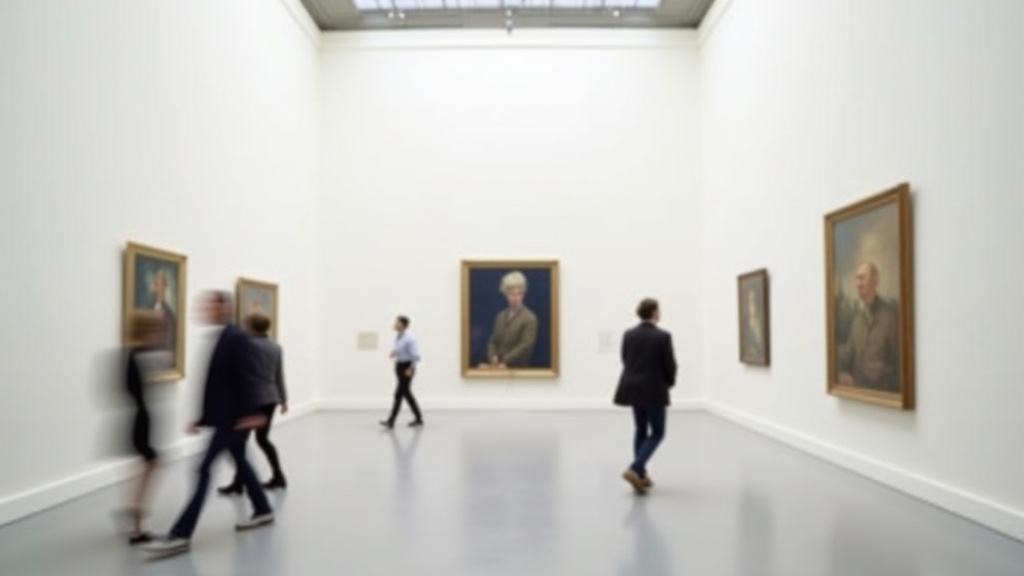
The Independent London Venues Report 2025 paints a concerning picture, projecting that up to 30% of these independent spaces are at risk of potential closure within the next 18 months. This alarming forecast includes a wide array of venues, from cherished small music venues that nurture emerging talent to essential community art centres providing accessible creative opportunities and support services to local residents.
The Squeeze: Rising Costs Driving Venues to the Brink
The primary drivers behind this impending crisis are identified within the report as surging operational costs. Specifically, ballooning expenses such as commercial rent increases and spiralling energy bills are placing unsustainable pressure on the often tight budgets of these independent entities. Unlike larger, publicly funded institutions or commercial chains, these spaces typically operate with minimal reserves and rely heavily on footfall, modest ticket sales, and project-based funding, leaving them particularly vulnerable to sharp rises in fixed overheads.
The report underscores that these rising costs represent not just a challenge, but an existential threat. The economic shockwaves following recent global events, coupled with broader inflationary pressures, have exacerbated the long-standing financial fragility of many independent venues. The sheer scale of the forecast – 30% potential closures – suggests a systemic issue requiring urgent intervention, not merely isolated incidents of financial hardship.
Beyond Culture: Threat to Community Fabric
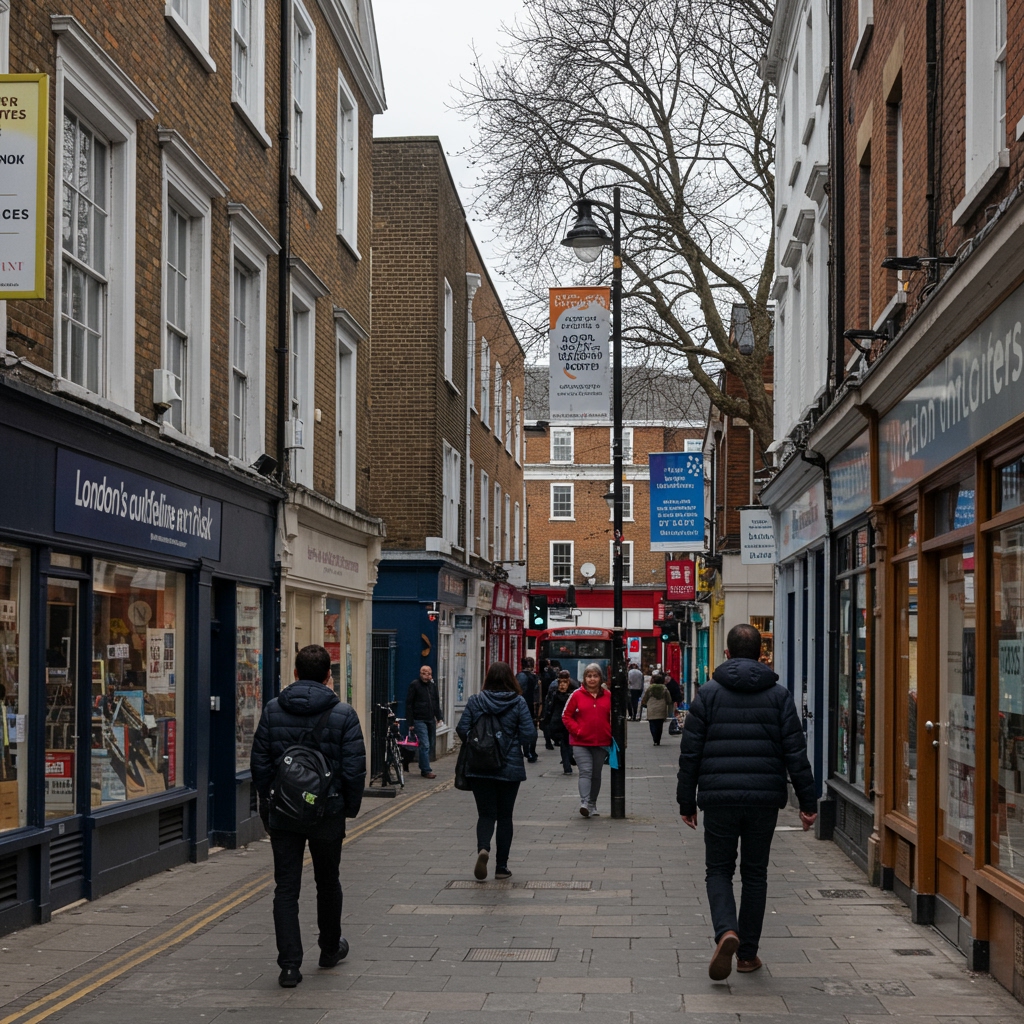
The potential loss of such a significant proportion of London’s independent arts and community spaces extends far beyond the cultural sector. These venues serve as indispensable anchors within their local neighbourhoods, providing essential services and fostering social cohesion. Community centres host everything from youth clubs and elderly support groups to language classes and food banks, while arts venues often double as accessible meeting points and platforms for local voices.
The report stresses that closures would severely impact accessible cultural participation across the capital. Many of these independent spaces offer affordable or free events, workshops, and activities, making arts and culture available to communities that might otherwise face barriers to engagement. Their disappearance would disproportionately affect lower-income individuals, minority groups, and young people, widening existing inequalities in access to creative and social opportunities.
Furthermore, the report highlights the threat to essential local community support services. With council budgets often stretched thin, independent venues frequently fill crucial gaps in local provision, offering safe spaces, educational programmes, and support networks that are vital for community well-being and resilience.
Urgent Call for a Recovery Fund
In response to the report’s dire findings, industry leaders and campaigners are issuing an urgent plea for financial intervention. Sarah Chen, a prominent voice from the “Save Our Spaces” campaign, is at the forefront of calls for dedicated funding to stabilise the sector and prevent widespread closures.
The campaign and the report’s authors are specifically advocating for a £15 million recovery fund. This fund, they argue, should be a joint initiative, drawing resources from both the Mayor’s office and the national government. The proposed funding would be targeted towards providing emergency relief, supporting energy efficiency upgrades, assisting with rent negotiations, and helping venues develop more sustainable financial models in the long term.
Chen commented on the report, stating, “These spaces are not luxuries; they are vital parts of London’s infrastructure, supporting creativity, health, and community bonds. Losing 30% of them would be a cultural and social catastrophe. We need immediate action. The £15 million recovery fund is not just a bailout; it’s an investment in the future of our city’s communities and its unique cultural identity.”
Political Ramifications and Upcoming Discussion
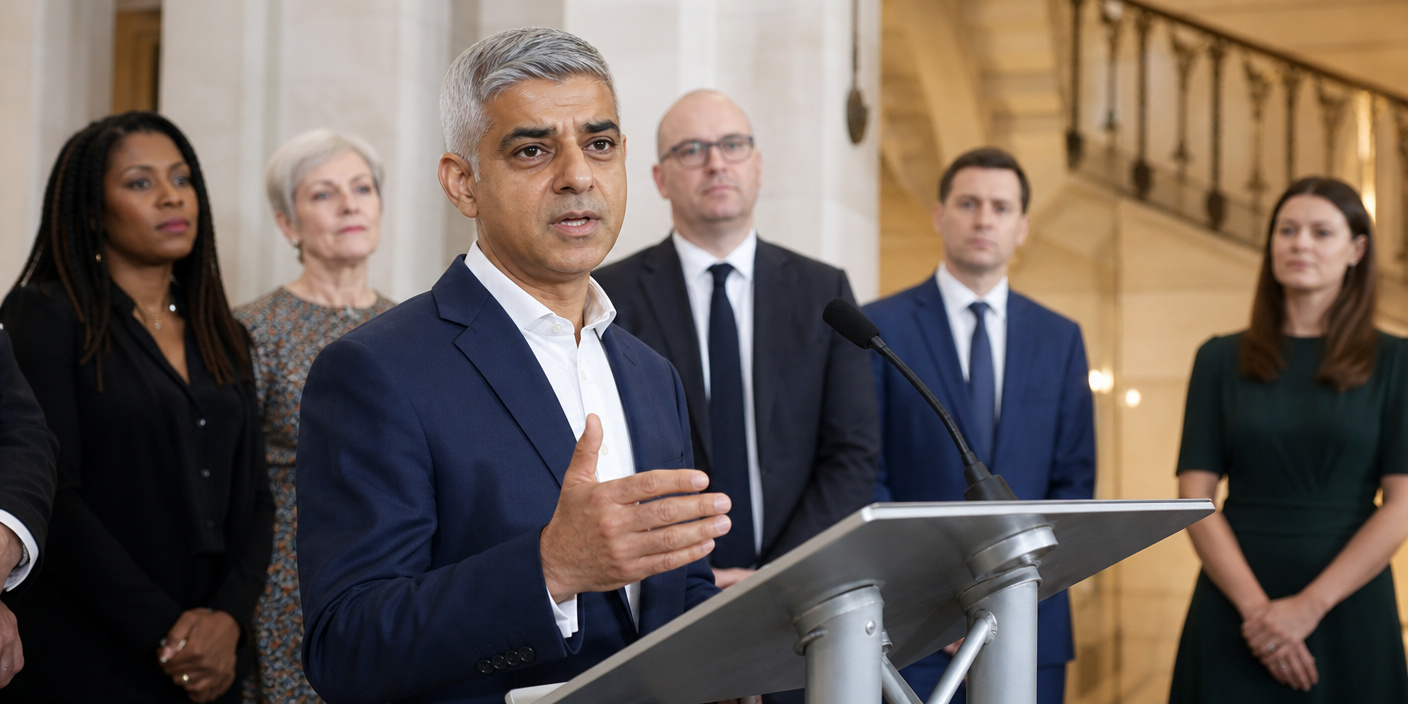
The findings of the Independent London Venues Report 2025 are poised to become a central issue in London’s political discourse. The report explicitly states that its conclusions are expected to be a key discussion point in the London Assembly next week.
Assembly members are anticipated to debate the implications of the forecast closures and consider potential policy responses, including the feasibility of the proposed £15 million recovery fund and other measures to alleviate the financial pressures on venues. The debate will likely involve contributions from representatives of the cultural sector, community groups, and potentially the Mayor’s office, bringing the urgent situation to the forefront of local government attention.
The report serves as a critical call to action for policymakers, funders, and the public alike, emphasizing that without significant and timely support, London risks losing a substantial portion of the independent spaces that contribute immeasurably to its vibrancy, creativity, and community spirit. The coming weeks will be crucial in determining whether sufficient support materialises to avert the projected crisis.