
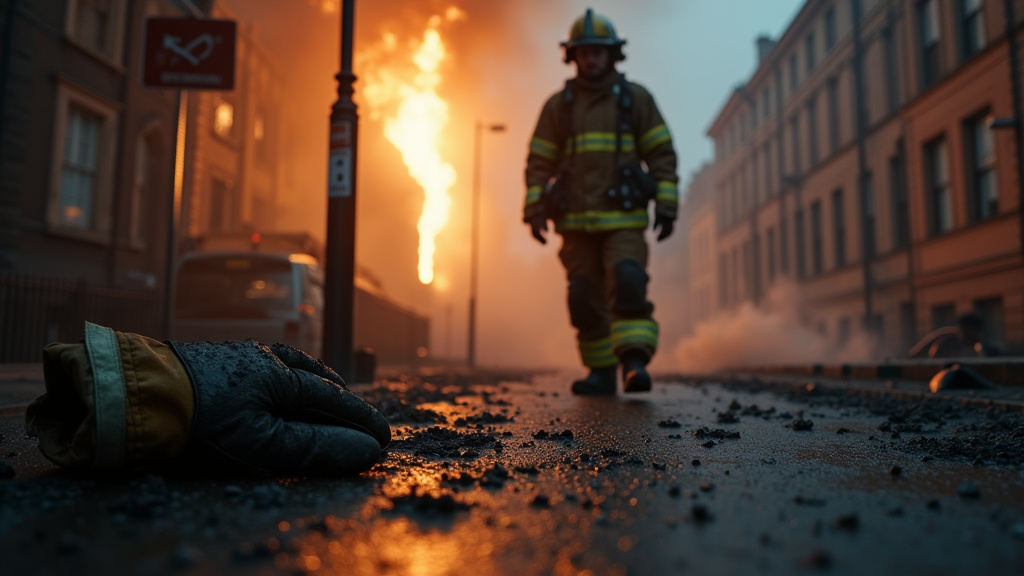
London Firefighters Face Triple Cancer Risk Due to Toxic Exposure
A concerning new report highlights a serious health risk for London firefighters. They are three times more likely to receive a cancer diagnosis. This stark news comes from the London Assembly’s fire committee. The report is titled “Exposure to fire contaminants in London: A hidden, growing risk?” It reveals alarming statistics. These findings demand urgent attention. This is important news for public safety.
Alarming Cancer Rates Identified
Research commissioned by the Fire Brigades Union (FBU) paints a grim picture. Approximately 4% of surveyed firefighters reported a cancer diagnosis. This figure is concerning. It is based on a survey of over 11,000 firefighters. The highest prevalence is among those aged 35 to 39. This age group shows a cancer diagnosis rate triple that of the general population. Furthermore, about 10% to 15% of firefighters had abnormal tumour markers. This is significantly higher than a control group from the general public. These findings suggest a hidden, growing danger. They underscore a critical occupational hazard. It is a risk firefighters cannot ignore.
The Invisible Threat: Toxic Contaminants
Fires release a complex mix of toxic substances. These include known carcinogens. Examples are asbestos, heavy metals, and persistent organic pollutants. Modern synthetic materials in buildings worsen this problem. They break down into dangerous chemicals when burned. These toxins can remain long after the flames are out. Firefighters are routinely exposed to these hazardous substances. The contaminants can be inhaled or absorbed through the skin. They can even linger on protective gear. This constant exposure poses a severe long-term health threat. It is a significant consequence of their vital work.
Key Voices Raise Concerns
Zack Polanski AM chairs the London Assembly Fire Committee. He stated that fires do not end when the flames die down. Toxic contaminants persist afterward. Firefighters accept risks, but chemical exposure should not be unavoidable. Steve Wright, the Fire Brigades Union general secretary, called the situation a “national scandal.” He highlighted that firefighters are dying younger. Many live with life-altering cancers. These are preventable occupational deaths. He stressed the need for stronger prevention and health monitoring. Professor Anna Stec, an expert in fire chemistry, noted that lifestyle factors do not explain these elevated rates. The issue stems from occupational exposure. The World Health Organization has classified firefighting as ‘carcinogenic to humans’.
LFB Efforts and Persistent Challenges
The London Fire Brigade (LFB) has made progress. Its Fire Contaminants Policy aims to manage these risks. This policy has driven a cultural shift. It moves away from viewing dirty kit as a “badge of honour.” However, challenges remain. Issues persist with personal protective equipment (PPE) availability. Older fire station designs also complicate effective decontamination. These factors lead to inconsistent policy implementation across the capital. More work is needed to ensure safety standards are met everywhere.
Demands for Action and Future Steps
The London Assembly report urges action. It calls for a UK-wide firefighter exposure and health monitoring programme. A pilot program for operational exposure monitoring in London is also recommended. Stronger training and better PPE procurement are essential. Greater emphasis on health promotion within occupational health services is also needed. The report also controversially suggested “positive lifestyle changes.” The FBU pushed back strongly against this. They argue firefighters are sick due to occupational exposure, not personal choices. The union demands compensation and medical support for affected firefighters. They believe the UK lags behind other countries in addressing this issue.
Protecting Those Who Protect Us
This news highlights a critical public health issue. London firefighters face significant risks from toxic exposures. The increased cancer rates are alarming. They demand a comprehensive and immediate response. Both the LFB and government bodies must act. Robust prevention measures are crucial. Enhanced health monitoring and better support systems are vital. Protecting firefighters means addressing these hidden dangers head-on. It ensures they can continue their essential service safely. This is a featured news item demanding public and official attention.