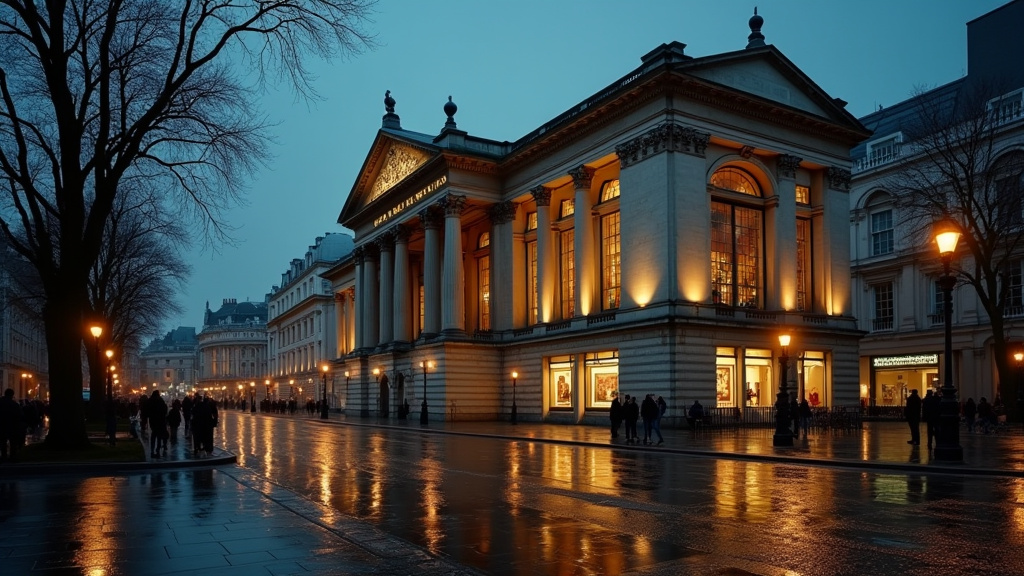
A City in Cultural Transition
London’s calendar is notoriously fast-paced, and March 2026 is proving no exception as the city prepares to pivot toward its spring programming. With the arrival of British Summer Time on March 29, several major exhibitions and community-driven festivals are reaching their conclusion. For culture seekers and visitors alike, these final days offer a last chance to engage with some of the most dynamic content the capital has hosted this season. Whether it is the intricate explorations of club culture at the Design Museum or the cinematic depth of BFI Flare, the closing of these doors marks the end of a significant chapter in London’s early-year cultural narrative.
The Must-See Finales
- BFI Flare (Ends March 29): Celebrating its 40th edition, Europe’s premier LGBTQIA+ film festival concludes its run of premieres and panels this month.
- Blitz: The Club That Shaped the 80s (Ends March 29): Hosted at the Design Museum, this immersive look at the legendary Soho club scene wraps up this weekend.
- Telegraph Hill Festival (Ends March 29): This community-led arts festival in South East London finishes its two-week celebration of local theatre, music, and workshops.
- Wandsworth Common Spring Beer & Cider Festival (Ends March 28): A highly anticipated seasonal fixture at Le Gothique that concludes its four-day run this weekend.
- Sony World Photography Awards Exhibition (Ends March 31): The Somerset House display of global, award-winning photography is in its final days.
- Min Woo Nam: The Aftermath (Ended March 19): While the physical doors closed recently, the impact of these urban-focused cityscapes continues to echo in the local Fitzrovia art scene.
- Country to Country Festival (Ended March 15): The O2’s massive country music event has already departed, leaving behind a wake of energized Nashville-inspired cultural conversations.
Why These Closures Matter
The cyclical nature of London’s arts scene is what keeps the city’s creative pulse racing. Exhibitions like Blitz: The Club That Shaped the 80s have provided a vital historical lens into the intersection of fashion, music, and club ephemera, serving as a reminder of how youth subcultures define modern aesthetics. Similarly, the conclusion of the Sony World Photography Awards at Somerset House marks the departure of one of the most accessible and diverse visual arts showcases in the city. These events are not just temporary attractions; they represent the ongoing efforts of London’s institutions to document, celebrate, and push the boundaries of contemporary creative practice.
Looking Ahead: Spring and Beyond
While the loss of these events might leave a void, the city is already gearing up for a new wave of spring activities. With the clocks moving forward, the focus shifts toward outdoor festivals and a fresh slate of major gallery openings, including the highly anticipated Hurvin Anderson exhibition at Tate Britain. For those who missed the March window, the constant churn of London’s cultural calendar ensures that new, equally compelling experiences are always just around the corner, keeping the city at the forefront of global arts and culture.
FAQ: People Also Ask
Where can I find information on exhibitions opening in April 2026?
Most major institutions, such as the V&A, Tate, and the Design Museum, update their websites regularly. You can also sign up for city-wide cultural newsletters to stay informed about upcoming gallery launches.
Is the St Patrick’s Day parade still happening?
The main festivities and the annual parade through central London typically take place in mid-March. If you missed this year’s celebrations, you will have to look forward to the 2027 programme.
Are these exhibitions free to enter?
It varies significantly by event. While some community festivals like Telegraph Hill are grassroots and often low-cost or free, major institutional exhibitions like those at Somerset House or the Design Museum usually require pre-booked, paid tickets. Always check the official event website before traveling.