The UK economy experienced a stark lack of growth at the beginning of 2026, with preliminary data indicating a near-complete stall. This economic inertia is largely attributed to persistent geopolitical tensions and a continued surge in energy prices, creating a challenging environment for businesses and consumers alike. The Bank of England’s Monetary Policy Committee is under pressure to navigate these complex factors, balancing inflation concerns with the need to stimulate economic activity.
Key Highlights:
- UK economy showed zero growth in Q1 2026.
- Geopolitical instability and high energy costs are primary drivers of the slowdown.
- Consumer confidence remains subdued, impacting retail sales.
- Business investment is cautious due to economic uncertainty.
- Inflationary pressures continue to be a significant concern for policymakers.
Economic Headwinds in Early 2026
The opening months of 2026 have painted a grim picture for the United Kingdom’s economic landscape. The Office for National Statistics (ONS) released figures today showing that the Gross Domestic Product (GDP) registered no discernible growth in the first quarter. This stagnation follows a period of fragile recovery, suggesting that the UK may be teetering on the brink of recession if current trends persist. Several interconnected factors are contributing to this worrying economic inertia.
Geopolitical Instability’s Ripple Effect
International relations have continued to cast a long shadow over global markets, and the UK is no exception. Ongoing conflicts and diplomatic strains in Eastern Europe and the Middle East have disrupted supply chains, increased the cost of imported goods, and dampened international trade. Businesses are hesitant to commit to long-term investments or expansion plans when the global political climate remains so volatile. This uncertainty makes forecasting future demand and costs exceptionally difficult, leading to a more risk-averse approach across various sectors.
The Persistent Energy Price Shock
Energy prices, a major concern throughout the preceding years, have shown little sign of abating in early 2026. Fluctuations in global oil and gas markets, exacerbated by geopolitical events and the slow transition to alternative energy sources, mean that businesses and households are still facing significantly higher energy bills. This directly impacts disposable income for consumers, leading to reduced spending on non-essential goods and services. For businesses, particularly those in energy-intensive industries, these costs represent a substantial operational burden, squeezing profit margins and potentially leading to cutbacks or even closures.
Consumer Confidence and Spending
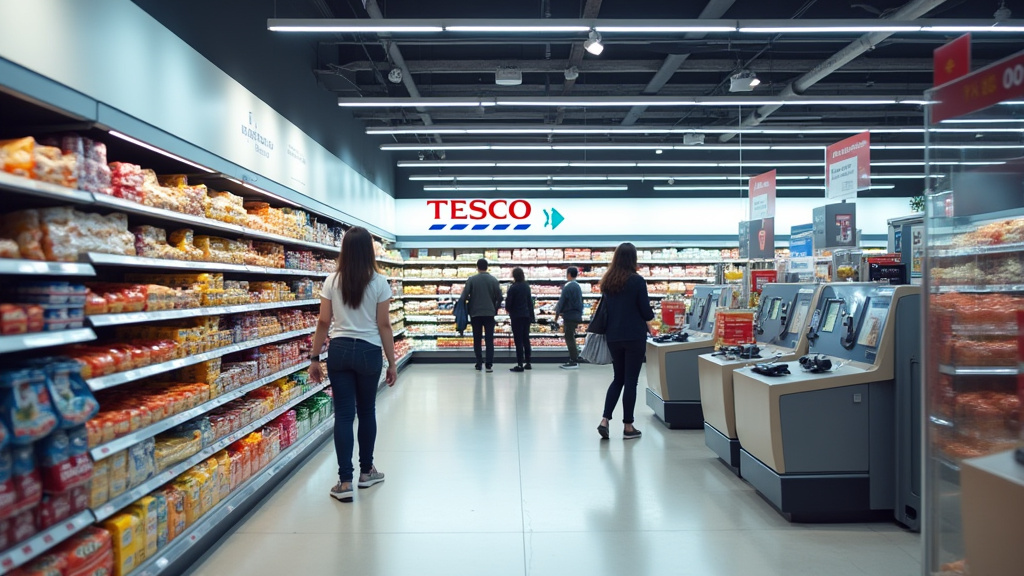
The combination of geopolitical unease and elevated living costs has taken a significant toll on consumer confidence. Surveys indicate that households are increasingly pessimistic about their financial future, leading them to prioritize essential spending and deferring larger purchases. This slowdown in consumer demand has a cascading effect throughout the economy, impacting retailers, hospitality, and leisure sectors most acutely. The high street, in particular, continues to face challenges as online retail, while convenient, does not stimulate the broader economic activity associated with physical shopping.
Business Investment and Outlook
In light of these economic headwinds, business investment has become increasingly cautious. Uncertainty about future demand, coupled with higher input costs (including energy and raw materials) and rising interest rates, makes it a challenging environment for capital expenditure. Companies are likely delaying significant investments in new equipment, technology, or expansion until there is greater clarity on the economic outlook and a stabilization of geopolitical risks. This pause in investment can hinder productivity growth and long-term competitiveness.
Inflationary Concerns Remain
While the headline inflation rate might show some moderation from its peaks, underlying inflationary pressures, particularly in services and energy, remain a significant concern for the Bank of England. Policymakers face the delicate task of controlling inflation without choking off nascent economic growth. The path ahead for monetary policy is complex, requiring careful monitoring of economic data and a balanced approach to interest rate decisions.
FAQ: People Also Ask
What is the current state of the UK economy?
The UK economy is currently experiencing stagnation at the beginning of 2026, with zero growth recorded in the first quarter. This is largely due to ongoing geopolitical tensions and high energy prices.
What are the main factors contributing to the UK’s economic slowdown?
The primary factors are persistent geopolitical instability, which disrupts trade and investment, and high energy prices, which increase costs for businesses and reduce consumer spending power.
How are high energy prices affecting businesses?
High energy prices are increasing operational costs for businesses, squeezing profit margins, and making it harder to plan for the future. This can lead to reduced investment and potential cutbacks.
What is the outlook for the UK economy in the rest of 2026?
The outlook remains uncertain. Continued geopolitical tensions and energy price volatility pose significant risks. Economic growth will largely depend on the global political situation, energy market stabilization, and the effectiveness of government and central bank policies.
What is the Bank of England’s role in this situation?
The Bank of England is monitoring inflation and economic growth closely. They face the challenge of setting monetary policy (like interest rates) to combat inflation without further dampening economic activity.