
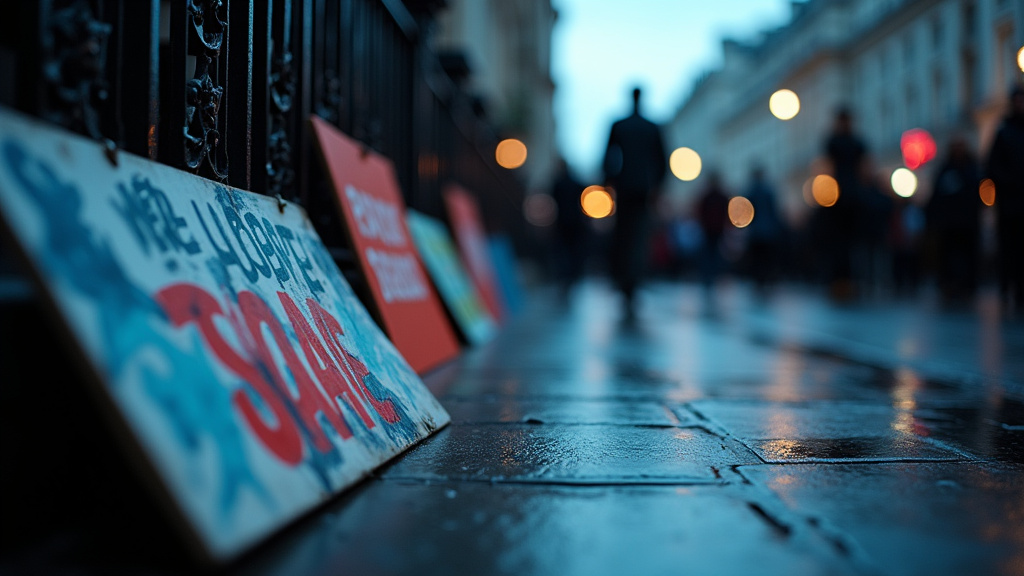
Thousands of demonstrators converged in central London this weekend, staging a powerful protest against what they describe as a concerning rise in far-right extremism across the United Kingdom. Carrying banners advocating for equality and social cohesion, the diverse crowd marched through major thoroughfares to voice their rejection of xenophobic rhetoric and hate-fueled agendas that have surfaced in recent political discourse. Organizers of the demonstration emphasized that the event was a direct response to increasing tensions and incidents linked to radical fringe groups, aiming to send a clear message that inclusive values remain at the heart of British society.
- Thousands gathered in central London to protest against the rise of far-right ideologies.
- Demonstrators called for greater social cohesion and an end to hate speech.
- The event remained largely peaceful despite heightened police presence.
- Civil rights groups and community leaders emphasized the importance of unity in a divided political climate.
The Deep Dive
The Context of the Mobilization
The mobilization in London comes at a sensitive time for UK domestic politics, as debates surrounding immigration, national identity, and economic anxiety continue to be manipulated by fringe elements. Over the past several months, local authorities and watchdog organizations have reported an uptick in aggressive rhetoric online and in public spaces. The protest served as a physical manifestation of a growing counter-movement that believes silence in the face of intolerance is no longer an option. Participants ranged from students and trade unionists to religious leaders and retirees, all united by the common goal of defending the UK’s democratic traditions.
Addressing the Far-Right Rise
Experts analyzing the current sociopolitical landscape point to a confluence of factors fueling these far-right groups, including misinformation campaigns and the exploitation of genuine economic grievances. By scapegoating minority communities, these movements have attempted to gain traction in mainstream discourse. However, the sheer turnout at the weekend rally suggests that a significant portion of the public remains firmly committed to a multicultural and tolerant society. The speakers at the rally underscored that the battle is not just against specific groups, but against the normalization of hate speech in political and public platforms.
Impact on British Civil Society
The protest also highlighted the role of grassroots organizing in modern British democracy. As the country navigates post-election uncertainties and debates about future policy directions, the ability to mobilize large groups of people serves as a vital check on extremist influence. Security forces were deployed to ensure the safety of the protesters and the surrounding public, and while there were minor friction points, the demonstration concluded without any major public order incidents. Analysts suggest that this event may spark similar demonstrations in other major cities, potentially setting the stage for a broader national conversation regarding the state of political discourse and the responsibilities of leadership in curbing toxic ideologies.
FAQ: People Also Ask
Why are these protests happening now?
Protests are occurring in response to recent reports of increased activity by far-right groups and the intensification of divisive rhetoric surrounding immigration and national identity.
What do the protesters hope to achieve?
Demonstrators aim to demonstrate broad public support for equality, combat the normalization of hate speech, and pressure political leaders to address and condemn extremist ideologies effectively.
Was the protest peaceful?
Yes, the event in London remained largely peaceful, with organizers and police working together to ensure a safe environment for the participants exercising their right to protest.