Today, April 21, 2026, marks the 100th anniversary of the birth of Queen Elizabeth II, a milestone that has prompted a nationwide wave of reflection on the life and 70-year reign of Britain’s longest-serving monarch. While the Queen passed away in 2022, the centenary has reignited discussions about her transformative impact, with the Royal Family marking the occasion through a series of tributes that blend tradition with a modern vision for the institution. From the opening of new commemorative gardens to major fashion exhibitions, the monarchy is utilizing this anniversary to bridge the gap between her iconic tenure and the current challenges facing King Charles III.
Key Highlights
- Centenary Commemorations: King Charles III and Queen Camilla are hosting a special reception for centenarians who share the late monarch’s birthday, emphasizing the Queen’s own longevity and connection to her people.
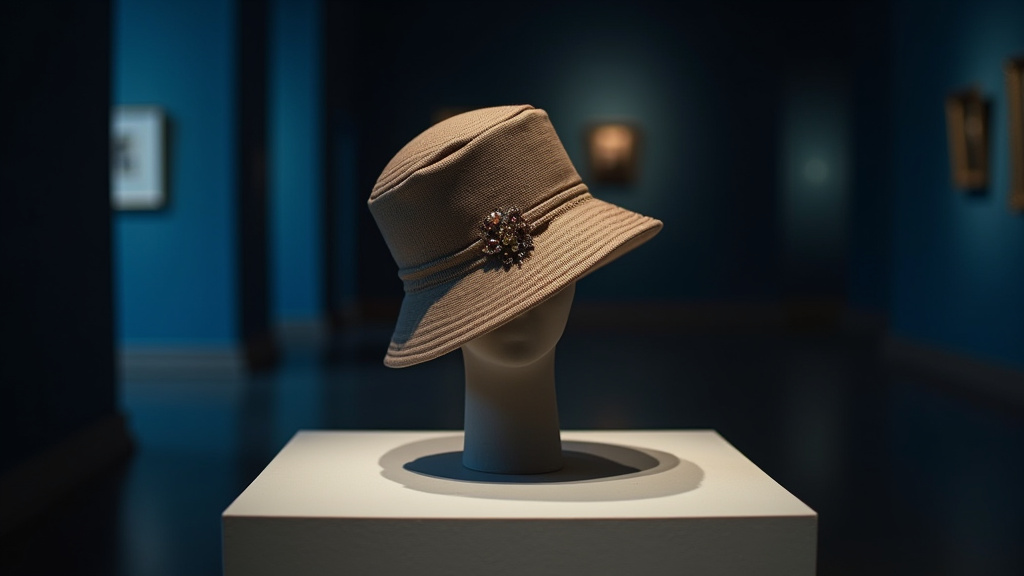
- The ‘Life in Style’ Exhibition: Buckingham Palace has unveiled a major exhibition at the King’s Gallery, showcasing 200+ pieces of the Queen’s wardrobe, highlighting her use of fashion as a potent tool of diplomatic soft power.
- New Memorial Plans: The government and the Royal Household have revealed designs for a new bronze statue by sculptor Martin Jennings and a ‘unity bridge’ memorial in St. James’s Park, ensuring a permanent physical presence for the late monarch in London.
- Legacy Philanthropy: The launch of the ‘Queen Elizabeth Trust’ with a $54-million endowment signals a move to institutionalize her legacy, focusing on community and green space initiatives across the Commonwealth.
The Unchanging Constant in a Changing World
For seven decades, Queen Elizabeth II served as the gravitational center of British national life. As the nation observes her 100th birthday, the conversation has moved beyond mere nostalgia. Historians and cultural critics are currently re-evaluating her role as a ‘constant’ in an era of rapid technological and geopolitical upheaval. Her birth in 1926—before the advent of the digital age, before the dissolution of the British Empire, and long before the rise of the modern globalized economy—placed her at the nexus of the 20th and 21st centuries.
Fashion as Soft Power
The current ‘Her Life in Style’ exhibition at Buckingham Palace offers a unique lens through which to view her reign. It is not merely a display of couture; it is an analytical study of how the Queen understood the ‘soft power’ of imagery. Every brooch, every color-coordinated outfit, and every hat was a calculated decision, designed to communicate stability, approachability, or state authority depending on the diplomatic context. By curating this archive, the Royal Household is implicitly telling the public that her power was never just about the crown; it was about the deliberate, thoughtful craft of representation.
The Commonwealth Paradox
While her domestic legacy remains highly regarded, the centenary also invites complex scrutiny regarding her role in the transition of the British Empire into the modern Commonwealth of Nations. For many, she remained a symbol of the old order, while for others, she was the key architect in facilitating a gentler, more diplomatic exit from colonialism. This paradox—the Queen as a symbol of both imperial continuity and modern global partnership—continues to be a subject of academic debate. The new Queen Elizabeth Trust, aimed at supporting community initiatives, serves as a bridge for this, attempting to pivot the ‘Elizabethan’ brand toward grassroots social impact rather than purely historical or colonial prestige.
King Charles III and the Shadow of the Mother
The most poignant aspect of this centenary is the visible effort by King Charles III to honor his mother while establishing his own distinct reign. The King’s decision to personally host centenarians and his televised tributes—referring to her as his ‘darling Mama’—serve a dual purpose. They satisfy a public still mourning the loss of the only monarch most Britons have ever known, and they ground his own reign in the bedrock of her popularity. Yet, the challenge remains: the monarchy is navigating a world that is less deferential and more demanding of transparency. As the ‘Elizabethan’ era recedes further into history, the institution is tasked with proving that it can exist as a functional, relevant entity without the unique, almost mythic, presence of the late Queen.
FAQ: People Also Ask
1. How is the 100th birthday of Queen Elizabeth II being marked across the UK?
The centenary is marked by several events: a major fashion exhibition at Buckingham Palace, the inauguration of the Queen Elizabeth II Garden in Regent’s Park by Princess Anne, and a reception hosted by King Charles III for citizens who share her 100th birthday.
2. Is there a permanent memorial being built for the late Queen?
Yes, the UK government has announced plans for a memorial in St. James’s Park, featuring a bronze statue by sculptor Martin Jennings and a translucent ‘unity bridge.’
3. Does the centenary signal a change in how the monarchy is viewed?
Rather than a radical change, the celebrations are being viewed as a ‘locking in’ of her legacy. It reinforces her status as a historic figurehead while providing the current administration under King Charles III a blueprint for how to maintain public affection through charitable work and commemorative events.