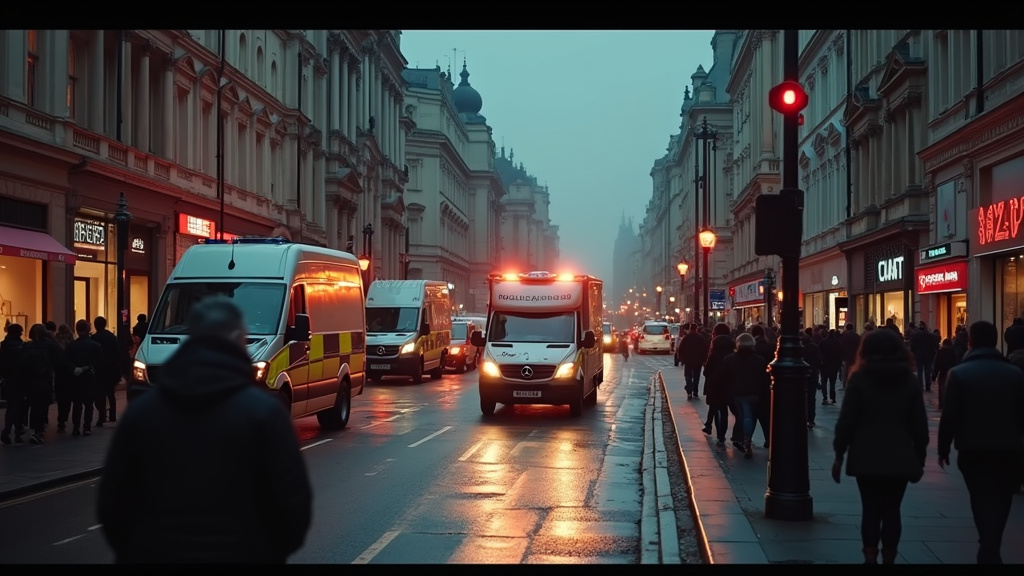
The future of London’s iconic Oxford Street is under intense scrutiny as a new public consultation on **Oxford Street pedestrianisation** has been launched, sparking immediate criticism from local residents’ groups who warn of impending “chaos”. The proposals, put forth by the Mayor of London and Transport for London (TfL), aim to transform a significant section of the famous shopping street into a traffic-free zone, but have ignited fierce opposition from those concerned about the impact on surrounding neighbourhoods and the broader **Oxford Street traffic** situation.
Oxford Street Pedestrianisation Moves Towards Car-Free Future
Transport for London (TfL) and City Hall have officially opened an eight-week public consultation, running until January 16, 2026, detailing the proposed transport and highway changes necessary to achieve **Oxford Street pedestrianisation** for the western section of Oxford Street, specifically between Orchard Street and Great Portland Street. Under these plans, the busy thoroughfare would be closed to most vehicles, including private cars, buses, taxis, private hire vehicles, cycles, scooters, and pedicabs. The only exceptions would be emergency services, which would retain access at all times, and servicing and delivery vehicles, which would be permitted between midnight and 7 am, a key element of the **TfL transport plans**.
This latest phase follows an extensive earlier consultation that saw over 6,000 responses, with approximately two-thirds of respondents expressing support for the principle of pedestrianisation and for the creation of a new Mayoral Development Corporation (MDC) to oversee the street’s regeneration. The proposed MDC is designed to centralise planning and development control, a move that has drawn concern from local authorities like Westminster City Council. Proponents, including the Mayor, argue that these changes are urgently needed to revitalise Oxford Street, boost the **West End regeneration**, and establish it as a world-class destination through **Oxford Street pedestrianisation**.
“Dangerous, Unworkable, and Catastrophic” Warnings Regarding Oxford Street Pedestrianisation
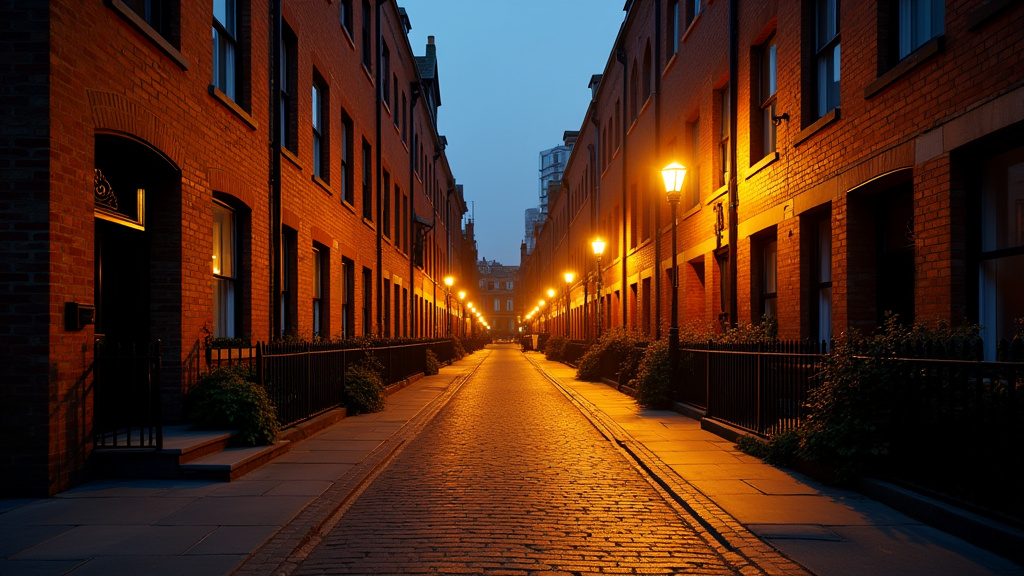
However, the **Marylebone Association**, a prominent residents’ group, has strongly criticised the proposals, labelling the **Oxford Street pedestrianisation** plans as “dangerous, unworkable and catastrophic for the surrounding neighbourhoods”. They argue that the plans, which have been in discussion for decades, will not solve the street’s issues but will instead create “chaos” by diverting traffic, congestion, noise, and pollution into neighbouring residential areas such as Marylebone, Mayfair, Fitzrovia, and Soho, raising significant **traffic displacement concerns**.
“Oxford Street may be car-free—its neighbours will not be,” stated a spokesperson for the association, highlighting fears that streets like Wigmore Street and Henrietta Place, slated to receive rerouted buses, are ill-equipped to handle increased traffic, especially given their history of closures for roadworks. The association contends that this is not regeneration but “vandalism” that “breaks the neighbourhoods around it” and questions the efficacy of **Oxford Street pedestrianisation**.
Concerns Over Accessibility and Local Impact of Oxford Street Pedestrianisation
The rerouting of approximately 15 bus routes is a significant point of contention. While TfL’s modelling suggests bus journey times will be altered by less than a minute, residents counter that passengers, particularly the elderly and those with mobility challenges, will face longer walks to new bus stops – estimated between 100-400 metres – and potentially make additional interchanges. Concerns have also been raised by the taxi and private hire industry regarding the relocation of ranks and drop-off points, as well as potential impacts on journey reliability and passenger access in the context of **Oxford Street pedestrianisation**.
Despite these concerns, TfL states that the number of blue badge parking bays will be maintained, and discussions are underway with Westminster City Council to explore increasing taxi ranks on surrounding streets. Delivery and servicing access is restricted to overnight hours, prompting businesses to rely on designated loading bays during the day. The plans also stipulate that cycling will not be permitted on the pedestrianised section, with TfL to collaborate with Westminster Council on alternative cycle routes, as part of the broader **London pedestrian zone** initiative.
A Divided Community on London’s High Street Future Regarding Oxford Street Pedestrianisation
This ongoing news highlights the deep divisions surrounding the future of Oxford Street. While City Hall champions **Oxford Street pedestrianisation** as essential for economic revival and creating a vibrant public space, community groups and some local politicians warn of severe consequences for nearby residential areas and essential transport links. The creation of the Mayoral Development Corporation, bypassing some local democratic oversight, remains a point of contention for those arguing that decisions impacting local communities should not be made without their full and meaningful engagement during the **Oxford Street consultation** process.
As the consultation progresses, the debate over pedestrianisation, traffic displacement, and the very definition of urban regeneration continues to be a trending topic in London news. The outcome will shape not only Oxford Street but also the character and liveability of its surrounding London neighbourhoods, with **Oxford Street pedestrianisation** at the core of the discussion.