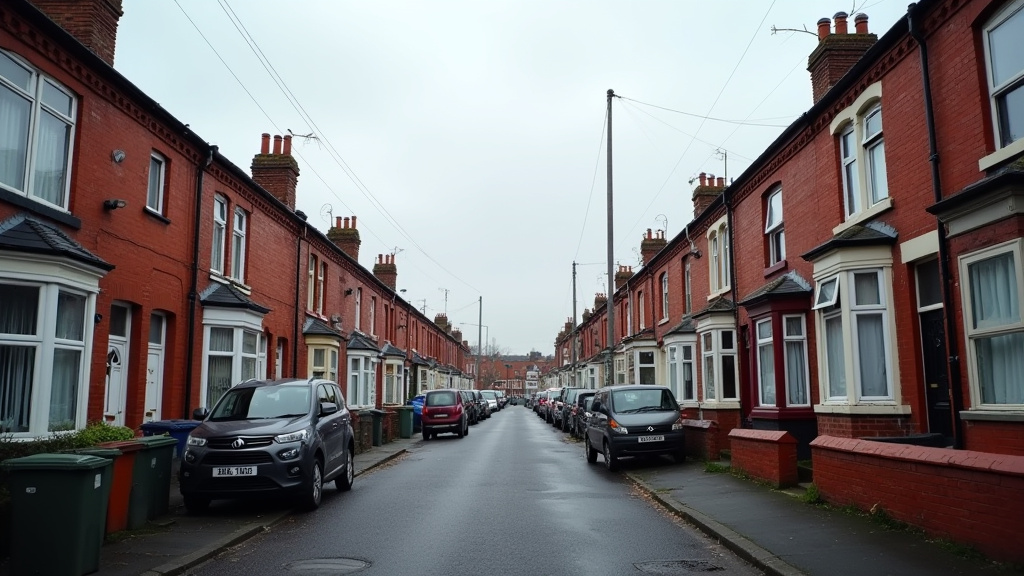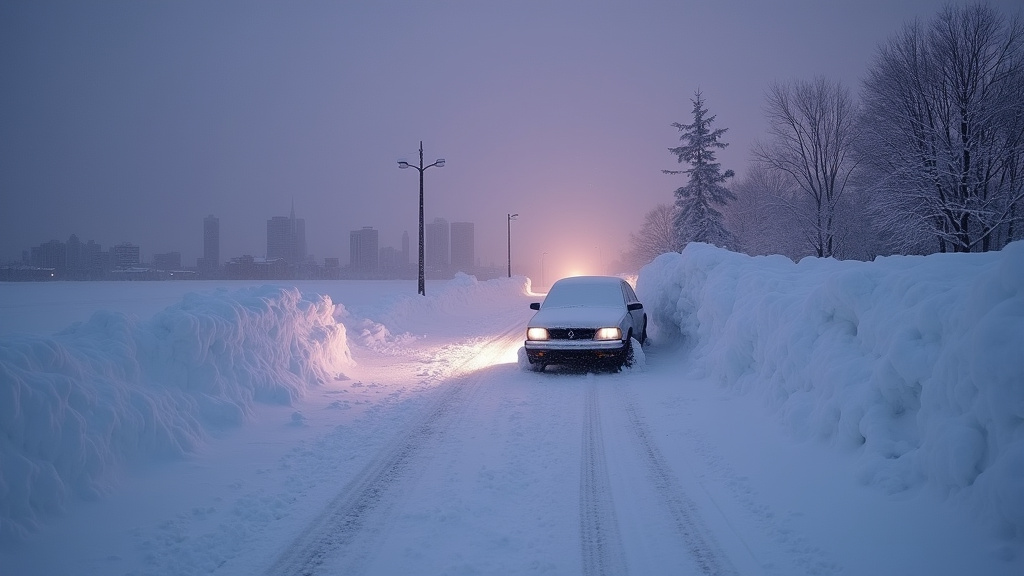
The city of London, Ontario, Canada, is experiencing an unusually harsh winter. January has already delivered a full season’s worth of snow. Brutal cold grips the region. Environment Canada officials cite a weakened polar vortex. This system brings frigid air from the north. Daytime highs have struggled to reach -10°C. Overnight lows have plunged to -15°C to -20°C. These temperatures do not include wind chill. Extreme cold warnings have been issued.
Record Snowfall and Bitter Temperatures
London saw significant snowfall. One storm alone dropped about 17 centimeters of snow. This is considerable accumulation for any single event. January 2024 saw the lowest recorded temperature at -17.4°C on January 15. However, recent reports indicate much colder temperatures are occurring in January 2026, with lows around -20°C and wind chills reaching -30°C. This prolonged deep freeze feels like a cold snap not seen since February 2023. The city’s average January daytime high is typically around -3°C. Overnight lows usually hover near -10°C. This year’s conditions are far below seasonal averages. The winter has been more brutal than usual.
Meteorological Explanations
Environment Canada attributes the extreme weather to atmospheric patterns. A weakened polar vortex is a key factor. This allows cold Arctic air to surge southward. These patterns have been observed across much of Canada. Another significant weather event was a “Texas low.” This storm system originated in Texas and moved northward. Such systems can bring heavy precipitation. Strong winds often accompany them. Snow squalls off Lake Huron also impact the region. These can cause rapidly reduced visibility. Local snowfall amounts can reach five centimeters in these squalls.
Community Impact and Response
The harsh weather necessitates community action. City hall opened Boyle Memorial Community Centre. It serves as an overnight warming center. This center provides shelter when temperatures hit -15°C with a wind chill of -20°C. It offers 60 spaces for those without adequate shelter. However, city councillors have pushed to lower these activation thresholds. They argue the current criteria leave vulnerable people exposed to dangerous cold. A proposed change would activate the center if only one criterion is met, either temperature or wind chill. This would increase access significantly. The Middlesex-London Health Unit has issued extreme cold alerts. These alerts advise residents to stay warm. They warn of cold-related injuries like frostbite and hypothermia.
Winter Operations and Road Safety
The persistent cold and snow strain city resources. The City of London faces challenges with road salt supply. Salt becomes less effective at extremely low temperatures. Crews are focusing on traction and safety. They are plowing major roads more frequently. Sand is being used in combination with salt. Sidewalk clearing remains unaffected. However, road conditions have been hazardous. Snow squalls and icy roads have caused numerous collisions. Police urge drivers to slow down. They advise driving according to weather conditions.
Looking Ahead
Environment Canada forecasts continued cold for the remainder of the week. Wind chill values may return to -25°C to -30°C. Temperatures are expected to remain below seasonal averages. The city council is considering changes to warming center policies. These changes aim to improve response times. They seek to better protect residents during extreme cold events. This featured news highlights London’s struggle with an intense winter. The city faces significant weather challenges in January.