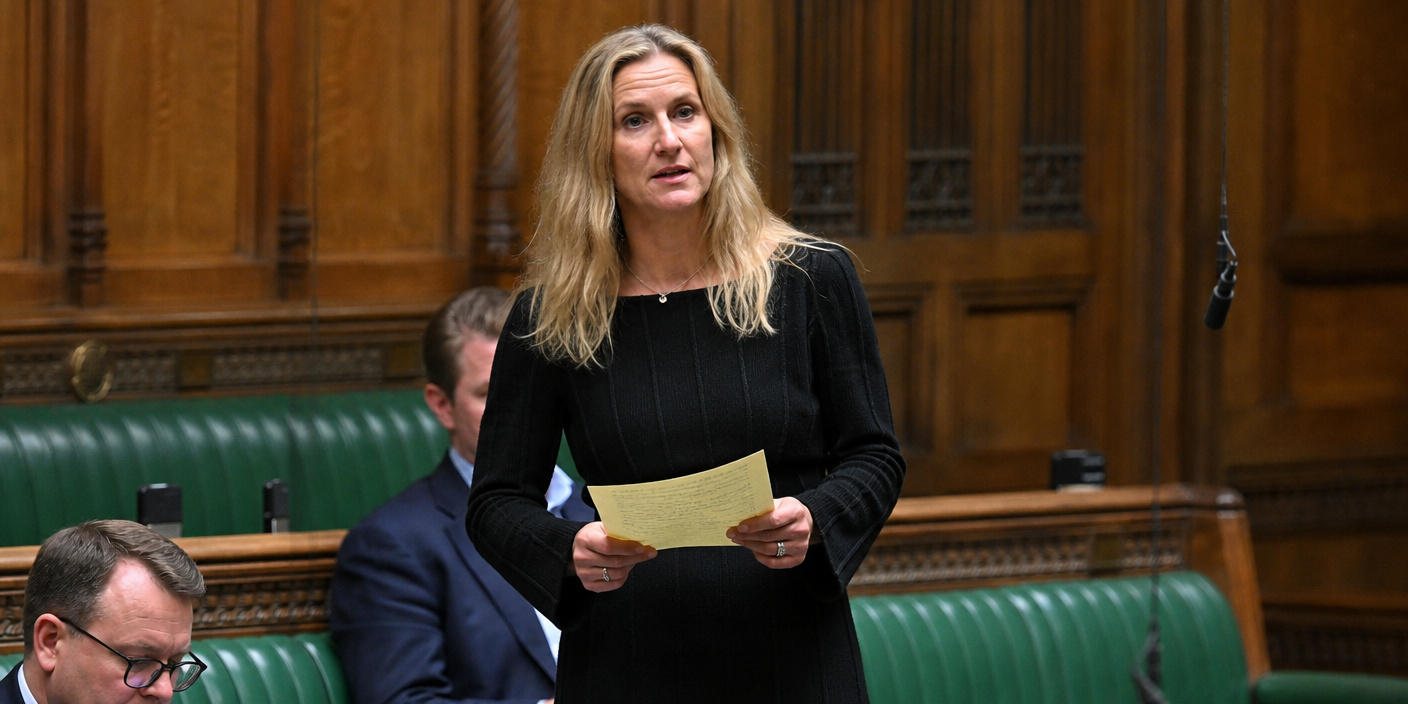
Prime Minister Keir Starmer issued a grave warning on March 9, 2026. The ongoing conflict involving Iran could impact every UK household. It could also affect every business. Starmer spoke in London. He stressed the economy’s resilience. However, prolonged conflict poses significant risks. The Prime Minister vowed to “get ahead” of these potential issues. His government is monitoring the situation closely.
Geopolitical Tensions Escalate
The current crisis stems from US-Israeli military actions against Iran. Iran has retaliated. This has escalated tensions significantly. The conflict has disrupted key global shipping lanes. The Strait of Hormuz is a critical chokepoint. It handles about 20% of the world’s oil supply. Disruptions here send shockwaves across markets. Global financial markets have reacted sharply. Some reports suggest the Strait of Hormuz is effectively closed. This has paralyzed much ocean and air traffic.
Oil Prices Surge
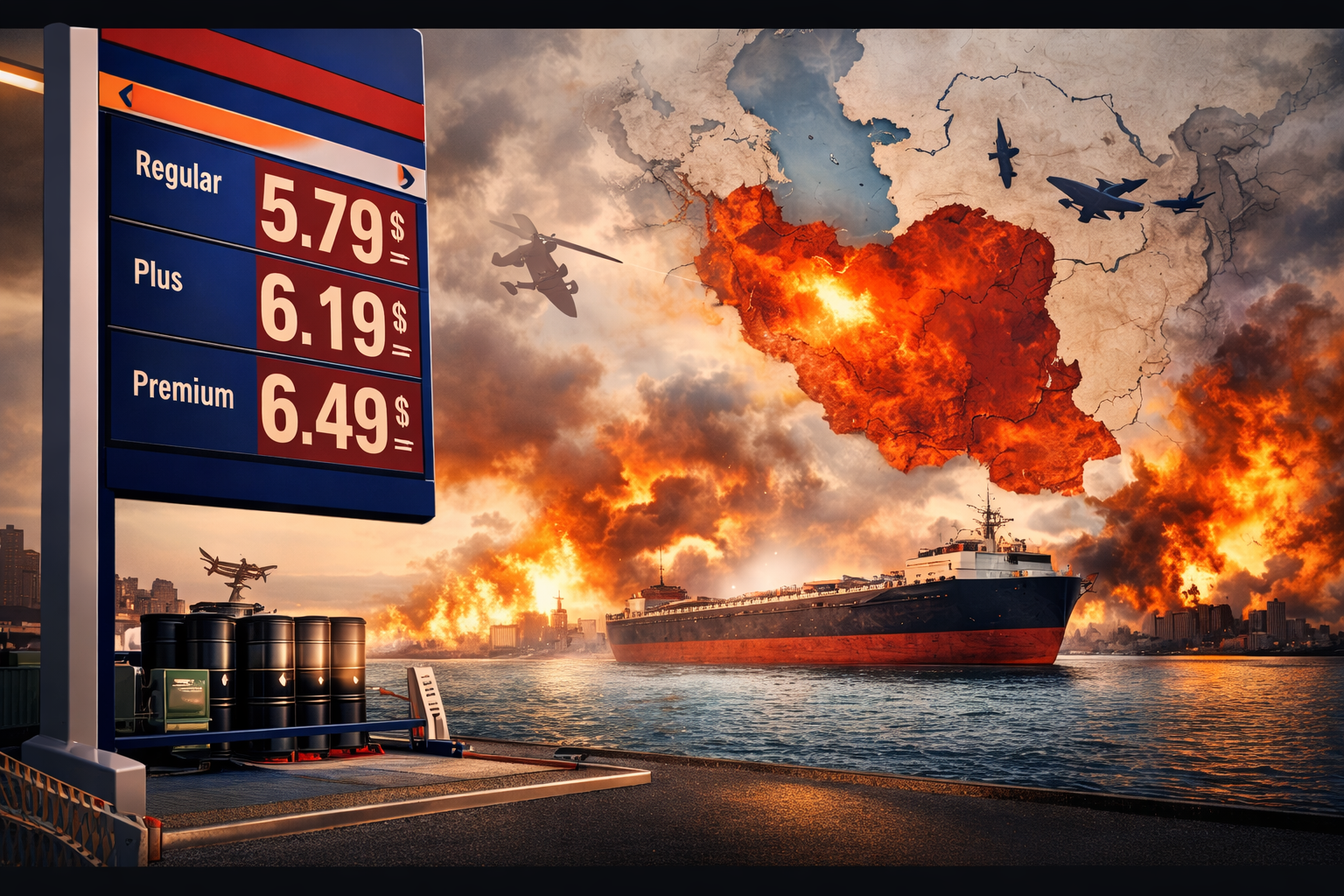
Oil prices have spiked dramatically. Brent crude surpassed $100 a barrel. This is its highest point since 2022. Prices briefly neared $120 a barrel. This surge is a direct response to the crisis. It reflects fears of supply shortages. Analysts note prices are up significantly since the conflict began. This volatility impacts global energy markets. Some forecasts suggest prices could reach $200 a barrel. Major producers have cut output. This further squeezes supply.
Inflationary Pressures Mount
Rising energy costs directly fuel inflation. Economists warn the UK faces upward inflationary pressure. One estimate suggests oil prices could add 0.3 to 0.7 percentage points to inflation. Some forecast UK inflation could exceed 5%. This is double the Bank of England’s 2% target. Chancellor Rachel Reeves acknowledged this risk. She stated the situation will likely increase inflation. The doubling of natural gas prices alone could add 3 percentage points to inflation. The rise in oil prices adds at least another 0.5 percentage points.
Bank of England’s Dilemma
The Bank of England faces a difficult choice. Rising inflation makes interest rate cuts unlikely. Earlier predictions favored rate cuts. Markets now anticipate rates remaining steady. Some even suggest a potential rate hike. The Bank is monitoring energy prices closely. They are working daily with the Chancellor. Higher borrowing costs could follow sustained inflation. This complicates economic policy. The MPC had previously signaled rate cuts. Now, rate hikes are being considered.
Impact on London Markets
The London stock market has felt the strain. The FTSE 100 index saw a significant drop. It fell nearly 2% soon after opening. This reflects investor concerns. Global markets have also experienced declines. Investors are seeking safer assets. Defence stocks have also seen volatility. Companies like Shell and BP saw initial gains due to oil price spikes.
Business Vulnerability
The warning extends to all businesses. The interconnected global economy makes many firms vulnerable. Supply chains face disruption. Higher energy and shipping costs increase operational expenses. This can lead to price increases for consumers. Small businesses may struggle with rising costs. Larger companies also face uncertainty. The UK’s reliance on imports makes it particularly exposed.
Government Response
Chancellor Rachel Reeves is coordinating efforts. The UK is ready to support releases of strategic oil reserves. This aims to stabilize fuel prices. The government is monitoring essential prices like fuel. They will not tolerate price gouging. Reeves stated the government is clear-eyed. Their approach will be responsive and responsible. They are working with international partners. She is meeting with Lloyd’s of London to support maritime trade. The Competition and Markets Authority is vigilant on energy prices.
Household Concerns
Consumers face potential consequences. Higher energy bills are a primary concern. While the energy price cap offers short-term protection, sustained high prices will eventually impact households. Petrol and diesel prices have already risen sharply. Drivers face increased costs at the pump. This adds to the cost of living pressures. Most UK households are protected in the short term by the energy price cap. However, prolonged conflict will be felt.
Looking Ahead
The conflict’s duration is key. Longer hostilities mean greater economic damage. Prime Minister Starmer emphasized preparedness. His government aims to mitigate risks. The situation underscores the UK’s reliance on global markets. It highlights the need for energy security. Preparedness and international cooperation are vital. The UK economy faces significant headwinds. This news underscores global economic fragility. The UK economy’s structure makes it vulnerable to such shocks. This situation demands careful management. It is a reminder of global interdependence.