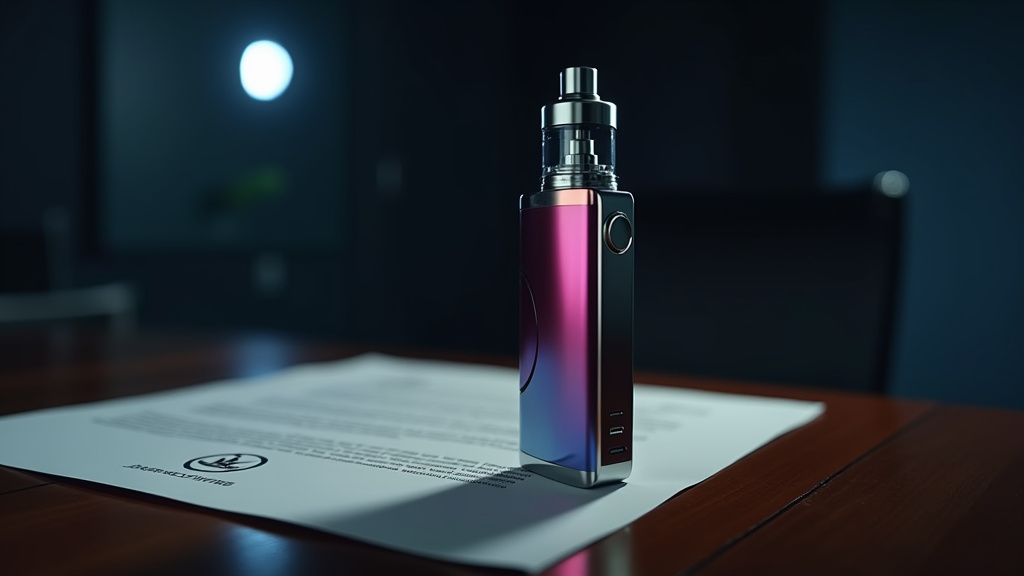
The United Kingdom has officially crossed a threshold that health advocates are calling the most significant public health intervention in a generation. With the Tobacco and Vapes Bill securing final approval from both the House of Commons and the House of Lords, the nation is set to phase out smoking entirely for future generations. The legislation, championed by Health Secretary Wes Streeting, establishes a permanent, rolling ban on the sale of tobacco products to anyone born on or after January 1, 2009. This move effectively ensures that as time progresses, the legal age for purchasing tobacco will rise year by year, aiming to render cigarettes inaccessible to the entire demographic of tomorrow’s adults, thereby curbing what officials describe as the country’s leading cause of preventable death.
Key Highlights
- Generational Ban: Anyone born on or after January 1, 2009, will never legally reach the age to purchase tobacco products in the UK, creating a rolling barrier to entry.
- Regulatory Expansion: The bill empowers ministers to strictly regulate nicotine products, including vapes, regarding flavors, packaging, and marketing tactics aimed at youth.
- Public Health Focus: Proponents, including the National Health Service (NHS), cite the move as a crucial step in reducing the burden of smoking-related illnesses, which currently cause approximately 80,000 deaths annually in the UK.
- Enforcement & Licensing: New measures include a licensing scheme for retailers, with fixed penalty notices for violations, ensuring stricter oversight of tobacco and vaping product sales.
A Historic Shift in Public Health Policy
The passage of the Tobacco and Vapes Bill marks a departure from traditional tobacco control measures, shifting the focus from simply discouraging use to systematically dismantling the market for new consumers. For decades, the UK’s approach to smoking relied heavily on public awareness campaigns, tax hikes, and cessation support. While these measures were undoubtedly successful—reducing adult smoking rates from over 20 percent in 2011 to roughly 10 percent by 2024—the government determined that more drastic action was required to reach the “smoke-free” status they envision by the end of the decade.
The Mechanics of the Rolling Ban
The genius, or the controversy, of this legislation lies in its simplicity. By linking the legal age of purchase to a fixed birth date (January 1, 2009), the government avoids the political and social friction of “prohibition” on current users. Existing smokers will not be affected; their access to cigarettes remains legal. However, the demographic “cutoff” creates a generational wall. An 18-year-old today remains eligible to buy tobacco, but a teenager born in 2009 will be permanently barred from doing so. As the years pass, this cohort will age, but the legal “purchasing age” for tobacco will essentially vanish for them, creating an ever-expanding group of adults who have never been legally permitted to purchase combustible tobacco.
Addressing the Vaping Paradox
While the primary headline focuses on tobacco, the bill is equally significant for its crackdown on vaping. In recent years, the UK became a global leader in utilizing vaping as a harm-reduction tool—a pathway to help heavy smokers quit. However, the rise of “recreational” vaping among youth sparked a national outcry. The new bill provides ministers with broad powers to restrict the flavors, bright packaging, and marketing strategies that critics argue have “glamorized” nicotine for teenagers. The challenge for the government moving forward will be striking a balance: maintaining vaping as a viable “off-ramp” for current smokers trying to quit, while simultaneously preventing the next generation from adopting nicotine habits through sleek, candy-flavored devices.
The Economic and Retail Impact
Retailers have expressed mixed feelings about the legislation. While major health charities, such as Action on Smoking and Health (ASH), have praised the bill as a triumph, independent shop owners and trade associations have voiced concerns over the administrative burden. The introduction of a mandatory licensing scheme means that every business selling tobacco or nicotine products must now operate under more stringent, government-monitored conditions. For the average corner shop, this involves additional compliance costs and the threat of severe fines—up to £2,500—for infractions. The government argues that these costs are a necessary investment to prevent the illegal sale of products to minors, a problem that has plagued the industry for years.
Global Context and Lessons from New Zealand
The UK is not the first nation to attempt this. In 2022, New Zealand introduced a world-first generational smoking ban, a policy that captured global attention. However, that initiative was short-lived; it was repealed in 2024 by a new government concerned about the loss of tax revenue and the potential for a black market. Critics of the UK bill frequently point to this “New Zealand experiment” as a cautionary tale. They argue that prohibition does not necessarily eliminate demand; it merely shifts it to unregulated, illicit channels. The UK government, however, believes that by coupling the ban with robust enforcement and licensing, they can mitigate the risk of an underground tobacco trade. Whether this belief holds true remains the primary uncertainty of the policy.
Looking Toward 2027 and Beyond
With the bill now awaiting the formality of Royal Assent, the focus shifts to implementation. January 1, 2027, stands as the critical date when the new age restrictions come into force. Between now and then, the government faces a complex logistical task: drafting the secondary regulations, setting up the licensing infrastructure, and communicating these changes clearly to retailers and the public. As Britain approaches this date, the eyes of the world—including public health officials in the United States and across Europe—will be firmly fixed on the UK. If successful, the “smoke-free generation” could become the new gold standard for global tobacco control. If it falters, it may serve as a reminder that the path to a healthier society is paved not just with good intentions, but with the practical realities of policy execution.
FAQ: People Also Ask
1. Does this bill ban smoking for everyone?
No. The ban applies specifically to the sale of tobacco products to anyone born on or after January 1, 2009. Current smokers will not be legally prevented from purchasing cigarettes or tobacco.
2. What happens to vaping under this new law?
While vaping remains a tool for cessation, the government will now have stricter powers to regulate flavors, packaging, and marketing, specifically to make these products less appealing and accessible to children.
3. When do these new rules take effect?
The primary age-of-sale restrictions are set to come into force on January 1, 2027, with other regulatory measures phased in according to government implementation schedules.
4. Is this the same as the policy New Zealand scrapped?
The concept is similar—a generational ban—but the UK has integrated broader regulations on vaping and nicotine pouches, and maintains a different enforcement structure. The UK government has stated it is committed to seeing the policy through despite the challenges faced by its predecessor.