A New Chapter for a Historic Landmark
Mayfair has long been synonymous with old-world wealth, private members’ clubs, and traditional luxury. However, as of March 2026, the district is rapidly shifting its identity. A coordinated effort involving private developers, high-end galleries, and culinary visionaries is breathing new life into the neighborhood’s Georgian townhouses and quiet mews. The goal is to move beyond the “stuffy” reputation of the past and position Mayfair as the vibrant heart of London’s contemporary arts scene, effectively launching a highly anticipated cultural renaissance that aims to attract a younger, global elite.
The Intersection of Art and Architecture
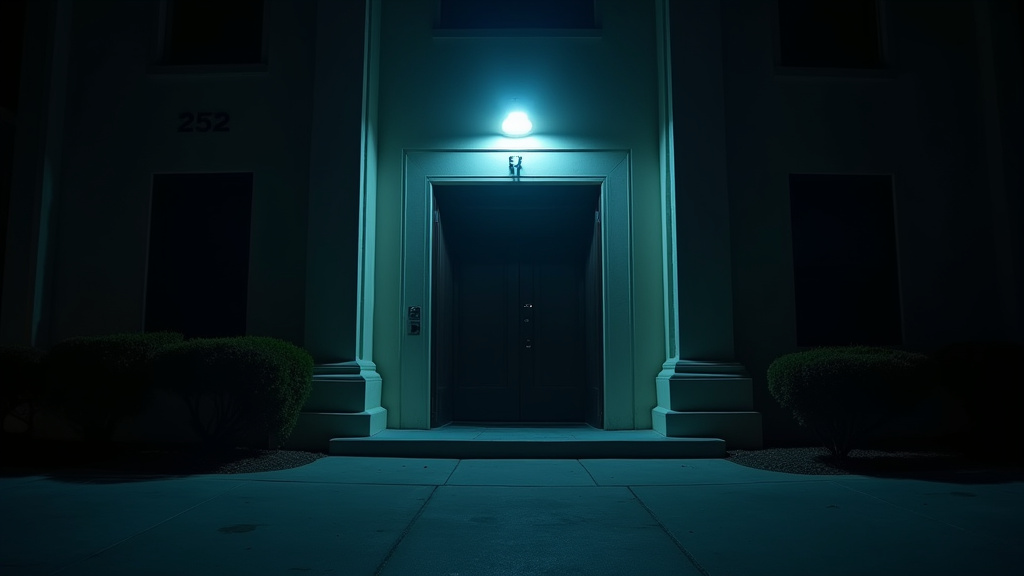
Central to this shift is the adaptive reuse of historic spaces. Instead of gutting heritage properties, new ventures are integrating cutting-edge installation art and immersive digital galleries within 18th-century architecture. This juxtaposition creates a unique sensory experience that defines the current movement. Major art houses have begun curating “pop-up” exhibitions that blur the lines between private viewing rooms and public installations, encouraging foot traffic into previously restricted corners of the district. The architectural aesthetic is being preserved but modernized, with light installations illuminating classic facades, signaling that the neighborhood is open to bold, creative voices.
Culinary and Social Evolution
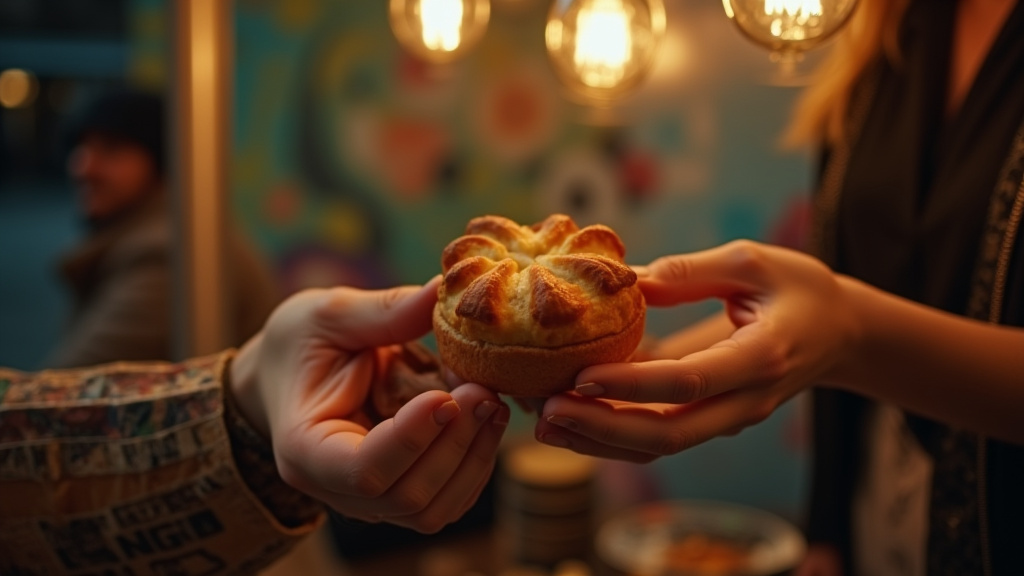
Beyond the art galleries, Mayfair’s hospitality sector is undergoing a necessary evolution. Traditional, reservation-only fine dining is being challenged by “experiential dining” concepts that require an active engagement from the patron. These venues prioritize high-concept, sustainable menus over formal white-tablecloth experiences. The social fabric of the neighborhood is also changing; the new wave of establishments focuses on “curated community” spaces rather than exclusive, closed-off membership clubs. By opening its doors to a broader, albeit still affluent, creative class, Mayfair is successfully shedding its image of isolationism, inviting a fresh influx of designers, tech entrepreneurs, and fashion innovators who are now making the district their primary hub for collaboration and entertainment.
Sustaining the Momentum
The long-term viability of this cultural renaissance depends on the delicate balance between commercial interest and genuine artistic integrity. Critics argue that the hyper-gentrification of the area could stifle the very “edginess” that the planners are trying to cultivate. However, early indicators from this March suggest a strong appetite for this new, culturally dense iteration of Mayfair. As London looks to cement its post-economic-shift standing on the global stage, Mayfair’s pivot serves as a blueprint for how historic urban centers can reinvent themselves without sacrificing their architectural soul. Whether this movement remains a localized trend or evolves into a broader London-wide standard remains to be seen, but for now, the district is undeniably the most exciting place to watch in the city.
FAQ: People Also Ask
Why is Mayfair undergoing this change now?
After years of remaining stagnant and exclusive, investors and local stakeholders realized that Mayfair needed to adapt to remain relevant to the next generation of global ultra-high-net-worth individuals who value experience and creativity over traditional opulence.
What are the main features of this cultural renaissance?
Key features include the conversion of historic buildings into interactive art spaces, a shift in culinary focus toward experiential dining, and a move toward more open, community-oriented social venues rather than strictly private clubs.
Will these changes impact property prices in Mayfair?
Industry analysts anticipate that the infusion of culture and high-end creative energy will further stabilize and potentially increase demand for commercial and residential properties in the area, as it becomes more attractive to global tech and creative industries.