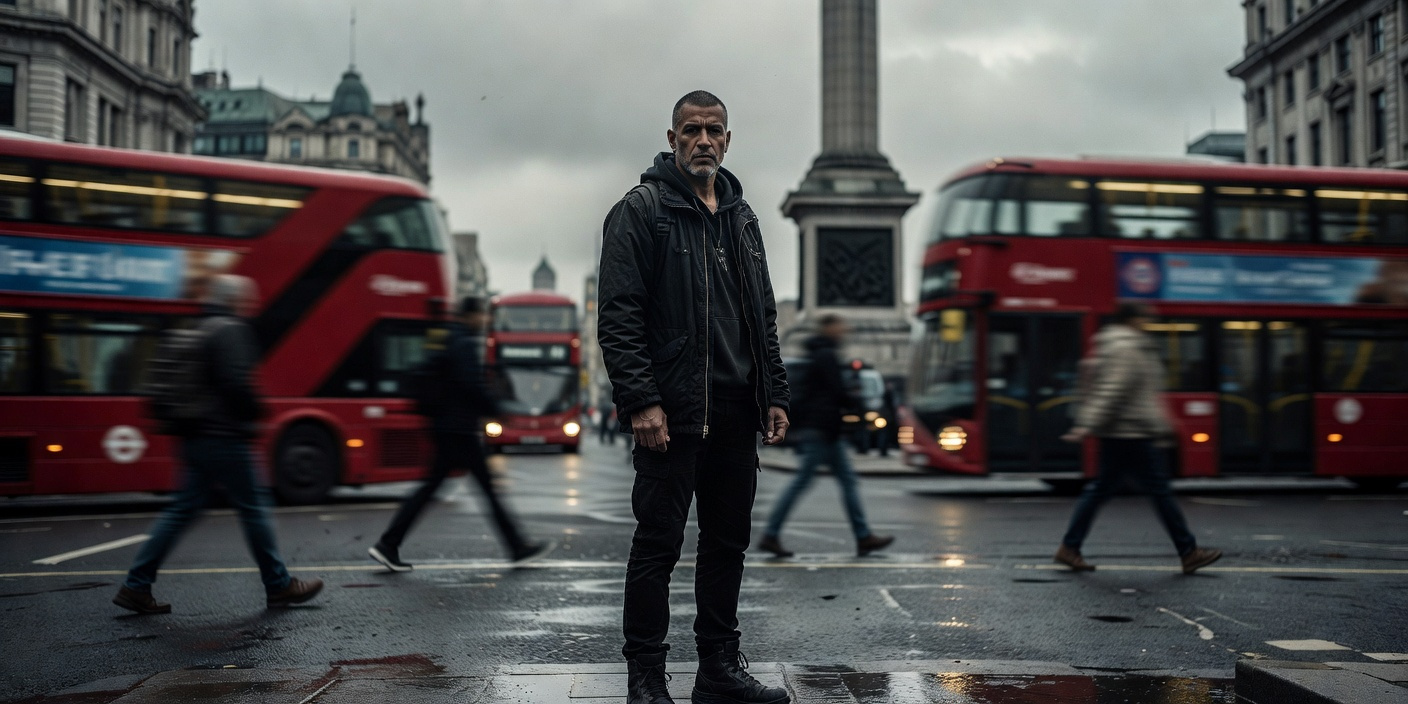
Robert Del Naja, the visionary frontman of the trip-hop ensemble Massive Attack, was among 523 individuals detained in London’s Trafalgar Square on Saturday during a mass demonstration supporting the proscribed group Palestine Action. The high-profile arrest, captured in footage showing the musician being carried away by officers while supporters chanted, highlights the intensifying friction between UK protest legislation and celebrity-led civil disobedience. Del Naja, known for his long-standing commitment to political activism, had arrived at the demonstration—organized under the banner of “Everyone Day” by the group Defend Our Juries—holding a sign reading “I Oppose Genocide, I Support Palestine Action.” This event marks a significant escalation in the ongoing legal and social battle regarding the government’s ban on Palestine Action, a direct-action group the High Court previously ruled was proscribed in a manner that was “disproportionate and unlawful.”
Key Highlights
- Mass Arrests: Over 523 people, including Robert Del Naja, were arrested by Metropolitan Police on suspicion of showing support for a proscribed organization.
- Legal Uncertainty: The arrests occurred despite a February High Court ruling that deemed the government’s ban on Palestine Action “unlawful,” pending an appeal.
- Celebrity Visibility: Del Naja’s participation has drawn international attention to the “Everyone Day” protest, which aimed to challenge the legal threshold of political expression in the UK.
- Escalating Tension: Police have resumed arrests following a period of relative dormancy, citing the pending appeal of the High Court’s ruling as legal justification for the ongoing detention of protesters.
The Intersection of Art, Activism, and Authoritarian Law
The arrest of a musician of Robert Del Naja’s stature is not merely a headline-grabbing moment; it is a symptom of a deepening crisis regarding the limits of free speech and protest rights in the United Kingdom. Del Naja, who has used his platform for decades to advocate for climate justice and political reform, stated before his arrest that he felt compelled to participate despite the “trepidation” regarding potential international travel complications and visa restrictions. His decision to put his body on the line in Trafalgar Square reflects a broader strategic shift within the activist community—the attempt to overwhelm the criminal justice system by forcing the state to prosecute hundreds of citizens simultaneously for their political beliefs.
The Legal Quagmire: Proscription vs. Protest
At the core of the conflict is the legal status of Palestine Action. In July 2025, the UK government proscribed the group under anti-terror legislation, a move that effectively criminalized any show of support. However, the legal ground shifted in February 2026 when a High Court judgment ruled that the proscription was “disproportionate and unlawful,” noting that the group’s activities had not reached the scale or persistence necessary to define them as terrorism. The Metropolitan Police, having initially paused arrests following this judgment, resumed them in March, asserting that the government’s appeal against the ruling justifies the continued enforcement of the ban. This legal limbo has created a chaotic environment where protesters are being detained for supporting a group whose current legal status is, at best, contested.
The Strategy of Civil Disobedience
Organizers like Defend Our Juries have framed these protests as a defense of the jury system and the right to political dissent. By inviting hundreds to openly declare their support for a banned organization, they are challenging the state to either ignore the “crime” or prosecute hundreds of people, potentially clogging court dockets and highlighting the perceived absurdity of the ban. Del Naja’s arrest, and his subsequent claim that the police action was “unlawful,” aligns with the movement’s rhetoric that these arrests are an attempt to chill legitimate democratic expression. For the police, the challenge is purely operational: managing large-scale civil disobedience when the sentiment of the public and the letter of the law are in such stark contradiction.
Future Implications for Cultural Icons
Del Naja’s case brings a secondary angle of analysis to the forefront: the risk assessment for public figures. Many artists navigate a fine line between performative activism and concrete risk. By stepping into the arena of criminal suspicion, Del Naja has signaled a shift in his own activism—moving from the studio and the stage to the center of a legal standoff. While he expressed confidence in his ability to challenge the legality of the arrest in court, the implications for his upcoming European tour, which begins in late May, remain an open question. His arrest serves as a bellwether for how the UK state will treat prominent public figures who choose to defy current protest restrictions.
FAQ: People Also Ask
1. Why was Robert Del Naja arrested at the Palestine Action protest?
Robert Del Naja was arrested on suspicion of showing support for a proscribed organization—specifically Palestine Action—which is currently banned by the UK government under anti-terror legislation.
2. Is the ban on Palestine Action legal?
It is currently in a state of flux. While the government enforced a ban in July 2025, the High Court ruled in February 2026 that this proscription was “disproportionate and unlawful.” The government is currently appealing this decision, and police have resumed arrests in the interim.
3. What is “Everyone Day”?
“Everyone Day” was an organized demonstration in Trafalgar Square where participants, including Del Naja, gathered specifically to defy the ban on Palestine Action, aiming to demonstrate that public support for the group remains widespread and to challenge the legality of the government’s restrictive measures.
4. Will Robert Del Naja face charges?
Following his arrest, Del Naja has expressed his intent to contest the legality of the detention in court. Whether he faces formal charges will depend on the Crown Prosecution Service’s assessment of the evidence and the ongoing legal battles surrounding the ban’s legitimacy.