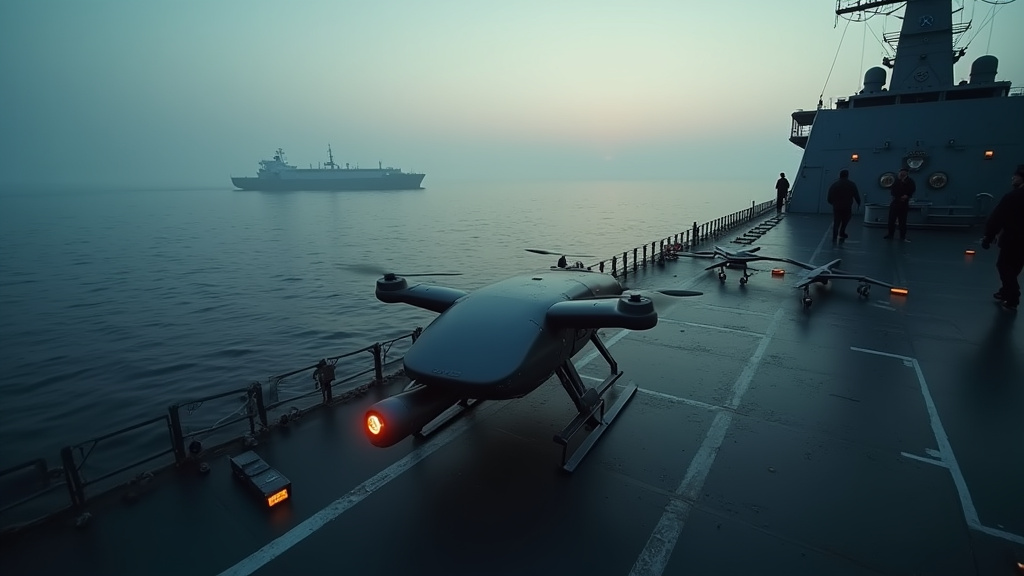
Military planners from more than 30 nations have gathered at the Permanent Joint Headquarters in Northwood, London, for a critical two-day conference aimed at drafting the operational blueprints to reopen the Strait of Hormuz. The meeting, chaired by the United Kingdom and France, marks a definitive shift from high-level diplomatic posturing to granular military planning. As the waterway remains effectively shuttered by Iranian naval posturing following the outbreak of the regional war on February 28, this coalition—formed without the participation of the United States—is moving to secure one of the world’s most vital economic chokepoints. With a fifth of global oil supplies suspended and energy markets volatile, the London talks represent a historic attempt by international allies to enforce freedom of navigation independently of Washington’s current geopolitical stance.
Key Highlights
- Multinational Mobilization: Over 30 countries are participating in the London conference, moving from the broad diplomatic consensus established at last week’s 51-nation Paris summit to actionable military strategy.
- US Absence: The coalition is proceeding without American support, following President Donald Trump’s declaration that protecting the shipping route is not an American responsibility.
- Operational Focus: Discussions center on command-and-control structures, mine-clearance logistics, and escort protocols for commercial vessels.
- Ceasefire Contingency: All military actions are contingent upon a sustainable ceasefire, emphasizing that the mission is strictly defensive and preparatory.
- Coalition Leadership: The initiative is spearheaded by the UK and France, leveraging European naval assets and international maritime expertise to restore trade flows.
The Strategic Pivot: Europe Takes the Helm in Maritime Security
The convening in London is not merely a bureaucratic meeting; it is a profound demonstration of geopolitical realignment. For decades, the security architecture of the Strait of Hormuz—the narrow artery through which a significant portion of the world’s oil and liquefied natural gas flows—was synonymous with US naval hegemony. However, following the current administration’s shift toward an “America First” policy, which saw the White House explicitly decline to intervene in the waterway’s closure, the onus has fallen upon traditional allies to fill the void.
UK Defence Secretary John Healey, addressing the opening session, underscored the urgency of the moment. The task, he noted, is to transform the broad, non-binding agreements reached in Paris into a concrete, joint military plan. This transition from diplomatic “will” to military “way” is essential for calming the frayed nerves of global shipping conglomerates and energy markets. By gathering military planners—men and women tasked with the mechanics of war and peace—the coalition is moving beyond rhetoric into the complexities of naval deployment.
The Logistics of a Contested Strait
Reopening the Strait is not a simple matter of sailing through; it is a technical minefield. Military experts at the conference are currently evaluating the specific capabilities required for the mission. Reports suggest the UK is proposing the use of advanced mine-hunting drones, potentially deployed from vessels like the RFA Lyme Bay, while France—possessing the European Union’s most substantial naval power—is bringing its carrier strike group and frigate capabilities to the planning table.
The primary technical hurdle remains the threat of sea mines and small-boat swarm tactics that have characterized the waterway’s closure. The coalition must design a command structure that integrates navies from diverse nations, each with varying levels of technological capability and political constraints. This “coalition of the willing” approach requires a unified communication protocol, coordinated mine-clearance operations, and a clear set of rules of engagement that are robust enough to deter aggression but restrained enough to avoid triggering a wider, uncontrolled conflict.
The Shadow of the US Withdrawal
Perhaps the most significant aspect of this summit is the conspicuous absence of the United States. President Donald Trump’s rhetoric—calling allies “cowards” and asserting that securing the strait is not America’s job—has acted as an unintended catalyst for European integration. This meeting in Northwood serves as a signal to Washington that, while the US may retreat from the global stage, its allies are capable of coalescing to protect their own vital interests.
The implications for NATO and broader transatlantic relations are profound. By creating a functional, independent maritime force, European powers are demonstrating a newfound strategic autonomy. If successful, this operation could redefine European defense policy for the coming decade, proving that the “Old Continent” can project power and secure trade routes even when the traditional security guarantor is absent.
Economic Implications: The Price of Stability
The shutdown of the Strait of Hormuz has sent shockwaves through the global economy, contributing to a massive spike in energy prices and threatening the fragile recovery of many post-war economies. The London summit is being closely watched not just by military analysts, but by global traders, shipping insurers, and central bankers.
For shipping companies, the uncertainty is the greatest enemy. Commercial vessels are currently avoiding the region, leading to rerouted cargo, increased transit times, and skyrocketing insurance premiums. The coalition’s promise of a “defensive mission” designed to protect merchant shipping is the key to reopening the flow of commodities. However, the requirement of a “sustainable ceasefire” remains the ultimate constraint. The military planners are essentially drafting a “Day After” plan: they are preparing for the moment when a political breakthrough occurs, ensuring that they can restore transit lanes with immediate effect. This level of foresight is a crucial component in stabilizing market expectations, preventing the risk premium on oil from spiraling into a systemic global crisis.
FAQ: People Also Ask
Why is the Strait of Hormuz so critical to the global economy?
It is the world’s most important oil chokepoint. Approximately 20-30% of the world’s total global petroleum consumption passes through this narrow waterway daily. Any disruption causes immediate, severe price volatility worldwide.
Why is the US not participating in this coalition?
US leadership, specifically President Donald Trump, has articulated a policy that the US will not intervene in the waterway’s closure, citing a desire to focus on domestic issues and expressing frustration with allies’ military spending and support.
What does “sustainable ceasefire” mean in this context?
It implies that the current state of hostiles must reach a point of diplomatic or military stillness that is reliable enough for commercial insurance companies to re-enter the region. The coalition will not deploy into an active combat zone; they are planning for the post-conflict security environment.
What are the primary tools the coalition plans to use?
Planning focuses on mine-clearing technology, including specialized drones, alongside escort frigates and patrol vessels to provide a persistent, visible deterrent against interference with commercial shipping.