High-level military delegates from over 30 nations have arrived in London for a critical two-day summit to formalize a multinational framework for the reopening of the Strait of Hormuz. This strategic meeting, co-led by the United Kingdom and France, aims to translate recent diplomatic consensus into actionable military plans, signaling a potential shift in the containment strategy of one of the world’s most vital maritime chokepoints.
Key Highlights
- Over 30 nations are participating in the high-level military planning summit at the UK’s Permanent Joint Headquarters in Northwood.
- The coalition is focused on developing a comprehensive “safe passage” framework to restore merchant shipping once regional ceasefire conditions permit.
- Primary agenda items include command-and-control protocols, the deployment of minesweeping assets, and cyber-security governance for maritime navigation.
- The summit follows a series of successful diplomatic dialogues in Paris, marking a concrete step from theoretical peace talks to tactical implementation.
The London Summit: A Pivot to Maritime Stability
The convening of military planners at the Permanent Joint Headquarters in Northwest London represents a significant transition from crisis management to structured operational planning. As the global economy grapples with the fallout from the disruption of the Strait of Hormuz—a conduit for approximately 20% of the world’s global oil supply—the urgency of this meeting cannot be overstated. Unlike previous ad-hoc responses, this London summit is designed to establish a sustainable, coalition-based architecture that can endure the complexities of the current geopolitical environment.
From Diplomatic Consensus to Tactical Action
For weeks, the international community has been locked in a delicate dance of diplomacy, primarily mediated through the channels established by the Paris talks. The London summit represents the ‘hardware’ update to the ‘software’ of diplomacy. Military officials are not there to debate the politics of the ceasefire but to solve the logistical and security challenges of operationalizing a free-transit corridor. This includes complex issues such as the removal of sea mines, the neutralization of asymmetric naval threats, and the establishment of a unified command structure that respects the sovereignty of regional actors while ensuring the safety of international commercial vessels.
The Strategic Chokepoint Dilemma
Throughout the 2026 crisis, the Strait of Hormuz has evolved from a simple transit route into a high-stakes geopolitical chessboard. The closure, which occurred in the wake of the late-February escalation, effectively severed one of the most critical energy and food security lifelines for nations across the globe. By gathering planners from over 30 countries, the UK and France are attempting to create a ‘coalition of the willing’ that is broad enough to provide legitimacy, yet focused enough to be effective. The discussions are heavily centered on ‘what-if’ scenarios, specifically how to maintain a neutral buffer zone for shipping even as political tensions simmer between the major regional powers and the United States.
Technical & Operational Realities
Beyond the geopolitical grandstanding, the technical reality of the mission is daunting. The Strait is narrow, heavily monitored, and prone to rapid-onset asymmetric warfare tactics, including the use of drone swarms and unmanned surface vessels. The planners in London are tasked with integrating advanced technological solutions, such as autonomous underwater vehicles for mine detection and AI-driven satellite surveillance, to create a persistent ‘digital shield’ over the waterway.
Cybersecurity in the Gulf
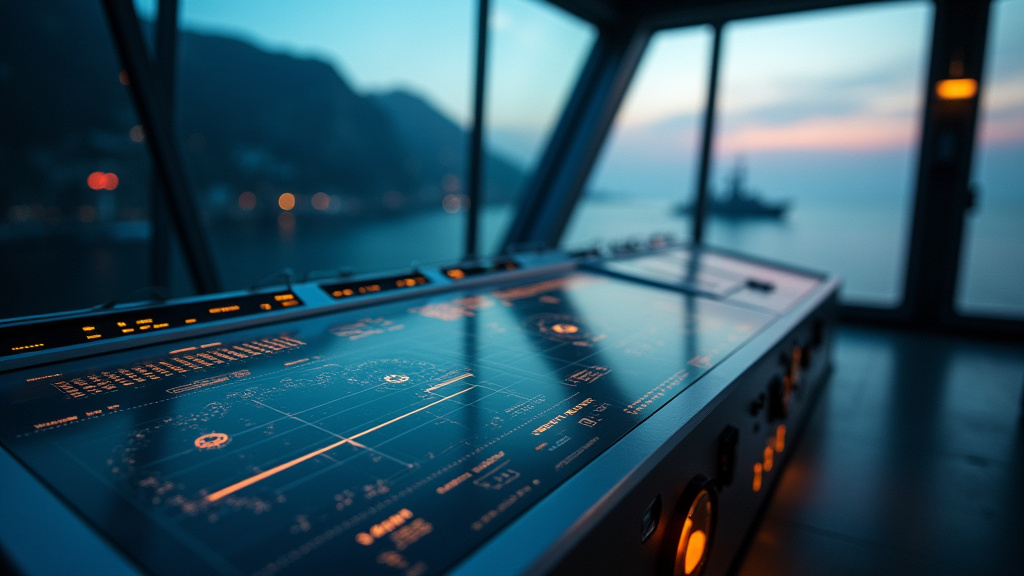
A major theme emerging from the summit is the focus on maritime cybersecurity. Modern navigation is increasingly digital, and a coordinated attack on the GPS or guidance systems of commercial tankers could prove as damaging as a physical blockade. The summit is reportedly addressing the need for a ‘Cyber-Security Governance’ framework that would allow participating nations to share real-time threat intelligence regarding potential jamming or electronic warfare activities in the region.
Managing Asymmetric Threats
The shift toward using drone-swarm tactics and small, high-speed interception craft has fundamentally changed the risk profile for merchant sailors. Planners are evaluating the deployment of specialized ‘picket’ vessels equipped with advanced electronic warfare suites capable of disabling small-scale drone threats before they can interfere with commercial transit. This requires a level of integration between naval forces—often operating under different national rules of engagement—that has rarely been achieved in such a short timeframe.
FAQ: People Also Ask
1. Why is the Strait of Hormuz critical to the global economy?
It is one of the world’s most vital maritime chokepoints. Approximately 20% of global oil consumption and roughly one-quarter of globally traded maritime oil transit through this narrow passage, making it essential for global energy and food security.
2. What are the primary objectives of the London military summit?
The summit aims to translate diplomatic agreements into concrete military plans. This includes defining command and control structures, identifying specific assets for minesweeping and surveillance, and establishing a unified protocol for safeguarding freedom of navigation once a permanent ceasefire is solidified.
3. Will this coalition lead to a direct military engagement with regional actors?
All participating nations, led by the UK and France, have emphasized that the proposed force would be strictly defensive. The goal is to create a secure passage for merchant shipping, not to participate in the ongoing conflict or escalate hostilities. The mission is designed to be reactive and protective, acting only when conditions of safe passage have been agreed upon through diplomatic channels.
4. How does the current US-Iran ceasefire impact these plans?
The ceasefire is the essential prerequisite for the coalition’s deployment. Without a stable cessation of hostilities, military planners acknowledge that any ‘reopening’ would be too dangerous for commercial insurance underwriters to accept. The London talks are focused on the ‘Day After’ scenario, ensuring that the necessary forces are ready to mobilize as soon as the diplomatic ‘green light’ is given.