In a move that has sent shockwaves through London’s gastronomic scene, the notoriously enigmatic and strictly lunch-only restaurant, The Yellow Bittern, is finally opening its doors in the evening. Located on Caledonian Road, the establishment—which has spent the last two years cementing its reputation as the city’s most polarizing dinner table—will begin serving guests on Friday evenings starting May 8, 2026. This shift marks a significant, albeit characteristically reluctant, concession by chef and owner Hugh Corcoran to his loyal, albeit often exasperated, following.
Key Highlights
- The Evening Pivot: For the first time since opening in 2024, The Yellow Bittern will host Friday evening service from 7:00 pm to 9:30 pm.
- A Departure from Dinner: Corcoran has clarified this is not a traditional restaurant service, but rather a wine-focused affair offering “bottles of wine, pot au feu, and cheese and wheaten bread.”
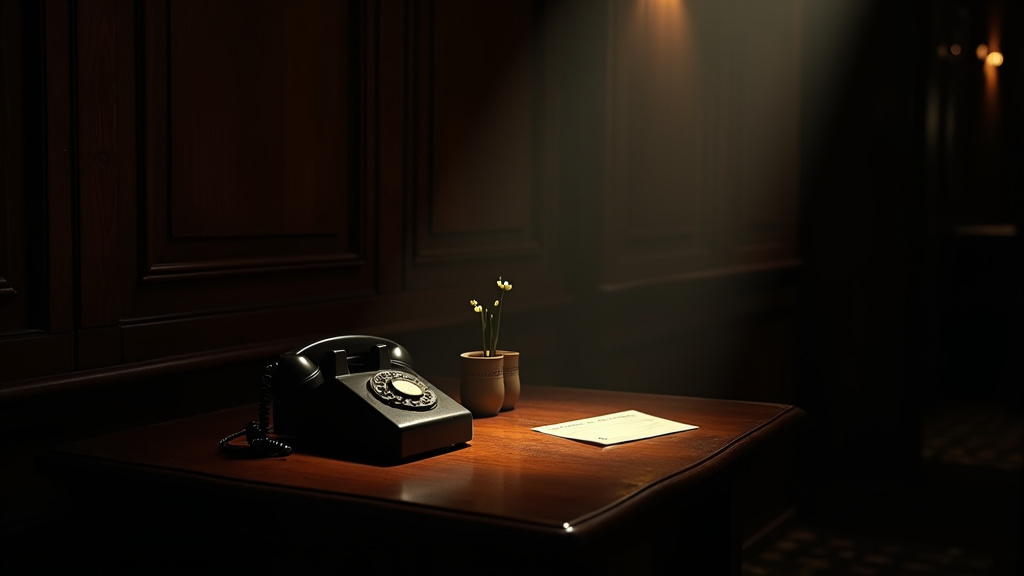
- The Anti-Booking System: Reservations for these new slots will maintain the restaurant’s infamous barrier to entry: prospective diners must call by phone on the day, with no online booking system in sight.
- The Philosophy Remains: True to form, the owner has explicitly stated this is aimed at “friends, colleagues, and regulars” who value conversation and drinking over the standard “restaurant experience.”
The Anatomy of an Exclusive Institution
The Yellow Bittern is not merely a place to eat; it has become a case study in modern anti-hospitality marketing. Since its inception, the restaurant has defied every prevailing trend in the London food sector. In an era dominated by OpenTable, Resy, and Instagram-first dining, The Yellow Bittern chose silence. It famously operates on a cash-only basis, requires phone-based or postcard-based bookings, and refuses to engage in the digital theater of modern restaurant promotion.
The Chef’s Manifesto
At the heart of the controversy—and the allure—is Hugh Corcoran. A Belfast-born chef with a background that favors tradition over the flash of modern culinary science, Corcoran has positioned his restaurant as a refuge for those who find the current restaurant landscape pretentious, or perhaps too accommodating. His social media presence, when it exists, has often been used to chastise diners who attempt to navigate his restaurant with the demands of the modern consumer: asking for tap water, splitting dishes, or expecting a wide variety of choices.
For many, Corcoran represents a return to a version of hospitality that prioritizes the host’s comfort as much as the guest’s. For others, he is the embodiment of an exclusionary, class-conscious rigidity that feels at odds with the inclusive spirit of a modern city. The evening expansion, however, suggests a softening—or perhaps just a new, curated way of inviting the chosen few into his world.
The Shift to Friday Nights: A Calculated Choice
By restricting the new evening hours exclusively to Friday nights, Corcoran maintains the scarcity that has defined the restaurant’s business model. This is not an attempt to capture the high-turnover dinner crowd of King’s Cross. It is an invitation to a specific type of community. The offering of pot au feu—a slow-cooked, rustic French stew—rather than an elaborate menu, reinforces the idea that the kitchen is the center of the home, not a factory for dinner plates.
Critics of the decision have pointed out that, like his lunch service, this evening slot will likely be inaccessible to the average Londoner who isn’t glued to their phone or intimately acquainted with the restaurant’s quirky booking quirks. Yet, that is exactly the point. The Yellow Bittern thrives on friction. It demands effort from the diner, and in doing so, it filters out the casual, indifferent consumer.
Secondary Angles: Understanding the ‘Bittern’ Effect
The Death of Digital Hospitality
The Yellow Bittern’s refusal to modernize is a calculated, almost aesthetic, political statement. While the rest of London’s hospitality sector spends millions on SEO, social media management, and frictionless booking platforms, Corcoran has proven that an inverse model—one based on analog barriers—can generate immense cultural capital. It poses a vital question to the industry: Is the digital age of dining actually making us less connected to the experience of a meal? By forcing diners to call on the phone, the restaurant ensures that every person who walks through the door has initiated a human, albeit sometimes fraught, interaction before they even sit down.
The Economics of Scarcity and Social Capital
From a business perspective, the restaurant operates on thin margins and high social capital. By limiting seats to just 18 and creating an atmosphere of exclusivity, The Yellow Bittern creates an environment where the ‘product’ is not just the food, but the status of having successfully navigated the bureaucracy of securing a table. It is the antithesis of the ‘scalability’ model that venture-backed restaurant groups are currently chasing. It suggests that, in a saturated market, ‘being difficult’ can be a sustainable business strategy.
The Future of the ‘Non-Restaurant’
Perhaps the most compelling angle is the future of the ‘non-restaurant’ concept. As dining prices in London continue to climb and the cost-of-living crisis bites, establishments like The Yellow Bittern offer an alternative vision of what a night out can be. It is not about variety; it is about simplicity. It is about a single tureen of soup, a bottle of wine, and the privilege of sitting in a room that feels like a private residence. If this Friday evening experiment succeeds, we may see more operators pulling back from the ‘everything for everyone’ model and leaning into the niche, intimate, and intentionally exclusive dining experiences that prioritize personality over volume.
FAQ: People Also Ask
1. Can I book a table at The Yellow Bittern online?
No. The restaurant famously rejects online booking platforms. You must call the restaurant directly at 0203 342 2162 to secure a table, and they operate on a cash-only basis.
2. Is the food menu different in the evenings?
Yes. The evening service is focused on a wine bar-style experience. The menu is intentionally limited, featuring pot au feu, cheese, wheaten bread, and wine, rather than the multi-course meal offered during lunch.
3. Why is The Yellow Bittern considered controversial?
It is controversial primarily due to the outspoken nature of its owner, Hugh Corcoran, and the restaurant’s strict, old-fashioned policies (cash-only, no online bookings, phone-only reservations). Critics argue these policies are exclusionary, while fans view them as a refreshing, authentic defiance of modern restaurant culture.
4. Is the restaurant open on weekends?
No. Even with the new Friday evening addition, the restaurant remains closed on Saturdays and Sundays. The evening service is currently planned for Friday nights only.