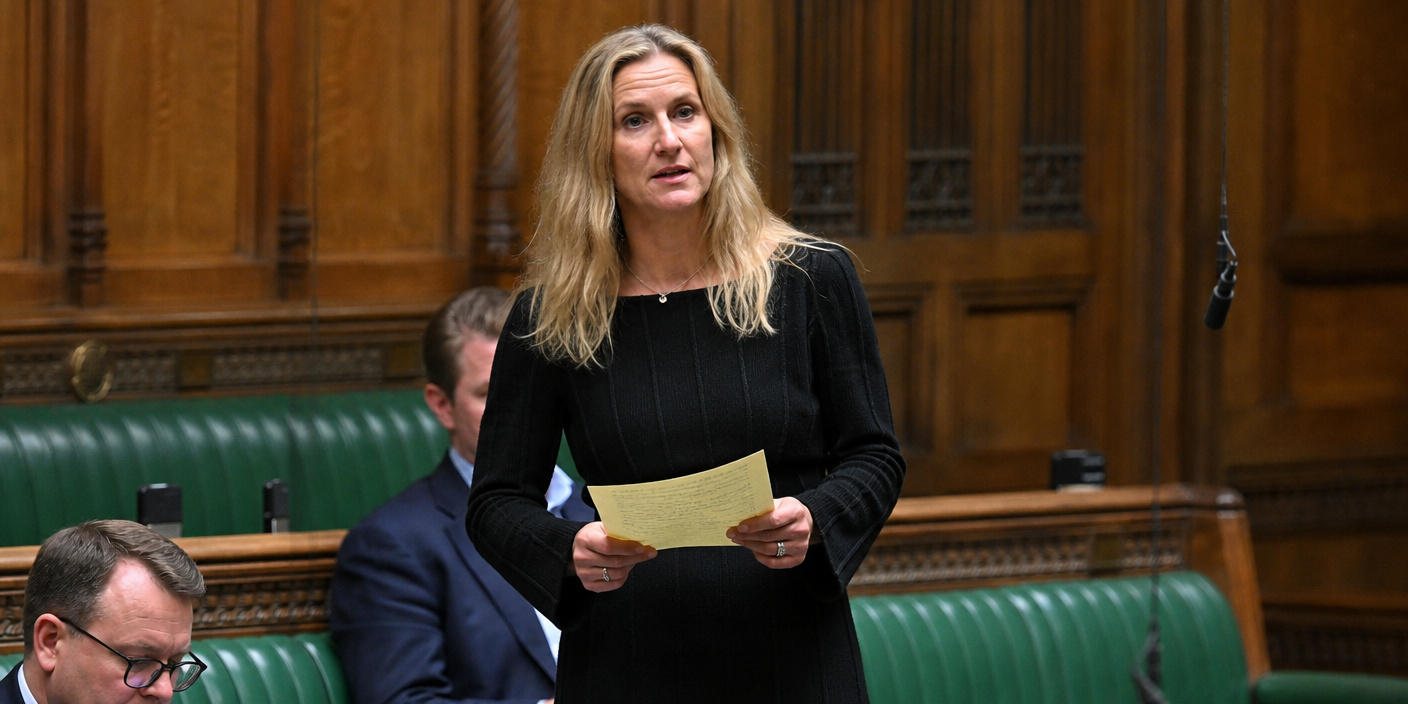
Prime Minister Keir Starmer faces a defining political storm today, April 28, 2026, as the House of Commons prepares for a high-stakes debate and vote on whether to launch a formal investigation into his conduct. The pressure centers on the disastrous Peter Mandelson ambassador appointment, a decision that has spiraled from a strategic diplomatic choice into a full-scale governance crisis. As lawmakers prepare to demand answers, the government is scrambling to defend its process, while opponents argue that the Prime Minister’s office bypassed essential security protocols to fast-track an appointment that has now compromised national integrity.
Key Highlights
- Parliamentary Showdown: Lawmakers are voting today on whether to refer the Prime Minister to the Privileges Committee over accusations that he misled Parliament regarding the “due process” followed during the appointment.
- The Testimony Factor: Former chief of staff Morgan McSweeney is set to testify before the Foreign Affairs Committee, directly following allegations that Downing Street applied intense pressure to override security vetting.
- Security Breach: Revelations that Mandelson—already under police investigation for alleged misconduct linked to Jeffrey Epstein—was appointed despite failing security checks have decimated Starmer’s reputation for “competent governance.”
- The Political Fallout: Opposition leader Kemi Badenoch has accused the Prime Minister of repeatedly misleading the public, amplifying calls for resignation as the government faces a critical midterm test.
The Anatomy of a Diplomatic Failure
The ongoing fallout from the Peter Mandelson ambassador appointment has laid bare deep fissures within the United Kingdom’s civil service and the current Labour government. What was intended to be a strategic move—leveraging Mandelson’s extensive experience and global network to solidify the UK’s position during the second term of the U.S. administration—has instead become a symbol of political misjudgment and, according to critics, a dangerous blurring of the lines between party loyalty and national security.
The Pressure on Whitehall
At the heart of the crisis is the testimony of Sir Olly Robbins, the former top civil servant at the Foreign Office, who was abruptly fired earlier this month. Robbins has alleged that his department felt an “atmosphere of pressure” from 10 Downing Street to rush through the security clearance process. The narrative emerging from testimony suggests that the government viewed the appointment not as a risk-management exercise, but as an urgent political necessity. This creates a dangerous precedent: when diplomatic postings—which require the highest levels of scrutiny—are treated as political pawns, the broader integrity of the nation’s foreign service is called into question. The “dismissive attitude” toward security vetting described by insiders suggests that Starmer’s team may have been blinded by the allure of Mandelson’s political pedigree, ignoring the red flags that eventually led to his dismissal in September 2025.
Accountability and the Privileges Committee
Today’s proceedings in the House of Commons are more than just theater; they are a direct challenge to the Prime Minister’s authority. By demanding an investigation by the Privileges Committee, the Conservative Party is aiming to establish whether Starmer misled Parliament when he insisted that “full due process” was followed. If found to have provided false information, the repercussions for the Prime Minister would be severe, potentially endangering his standing within his own party. The skepticism from the opposition is palpable, with Kemi Badenoch framing the situation as a test of basic honesty rather than just policy error. For Starmer, who campaigned on restoring integrity to Downing Street, this crisis is an existential threat.
The Security and Reputation Risk
The most damning element of this saga remains the nature of the vetting failure. Mandelson was flagged as a “borderline case” by security agencies, with concerns reportedly centered on his business entanglements in China and Russia, alongside his documented associations with Jeffrey Epstein. Despite these warnings, the Foreign Office cleared the appointment. The fact that the Prime Minister claims he was never informed of these specific red flags raises questions about the flow of information within his cabinet. Either the civil service withheld critical intel, or the Prime Minister’s inner circle created an environment where officials felt compelled to bury uncomfortable truths to satisfy the leadership’s agenda. This ambiguity has left Starmer appearing either dangerously negligent or fundamentally disconnected from the inner workings of his own administration.
FAQ: People Also Ask
1. What is the role of the Privileges Committee in this investigation?
The Privileges Committee is a powerful body of MPs that investigates potential breaches of parliamentary rules, including the integrity and accuracy of statements made by members to the House. If the committee finds that the Prime Minister intentionally misled Parliament regarding the appointment process, they could recommend sanctions, leading to significant political and reputational consequences.
2. Why was Peter Mandelson considered a security risk?
Mandelson’s security clearance was flagged due to his historical business links in China and Russia, as well as his documented association with the late financier and convicted sex offender Jeffrey Epstein. These associations raised concerns about potential foreign influence and the susceptibility of a key diplomat to blackmail or reputational damage.
3. Will Keir Starmer be forced to resign?
While opposition parties have vocally called for his resignation, a departure would require a significant collapse in support within the Labour Party or a defeat in a confidence vote. The current crisis has certainly damaged his standing, but his survival depends on his ability to convince his own MPs that he was deceived by his officials rather than complicit in a cover-up.