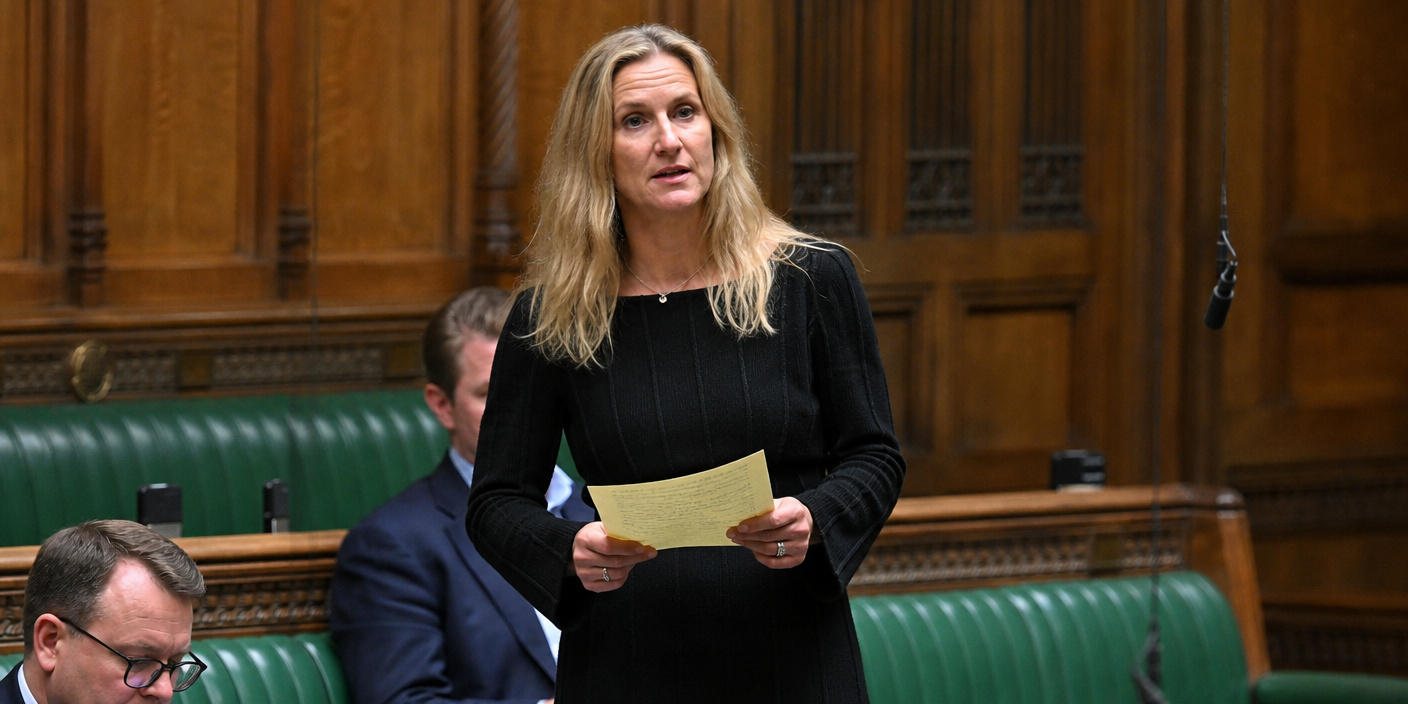
The long-anticipated push to legalize assisted dying in England and Wales has reached a definitive, if controversial, conclusion for the current parliamentary session. The Terminally Ill Adults (End of Life) Bill, a landmark piece of legislation spearheaded by Labour MP Kim Leadbeater, has failed to pass before the parliamentary clock expired on April 24, 2026. Despite receiving substantial backing in the House of Commons, the bill was stalled in the House of Lords, where a barrage of more than 1,200 amendments—the majority tabled by a small minority of peers—rendered it impossible to complete the legislative journey before the session ended.
Key Highlights
- Legislative Failure: The Terminally Ill Adults (End of Life) Bill has officially run out of time, ending its progress in the current parliamentary session.
- The ‘Filibuster’ Controversy: Supporters and constitutional experts argue the bill was not defeated on its merits but was deliberately blocked by a small group of peers using procedural obstructionism.
- Public vs. Chamber: Polling indicates widespread public support, with roughly 70% favoring the debate’s continuation, creating a stark contrast between legislative reality and public sentiment.
- What’s Next: Kim Leadbeater and other parliamentary advocates have vowed to reintroduce the legislation in the next session, aiming to bypass the current deadlock.
The Procedural Deadlock and the End of the Road
For nearly eighteen months, the Terminally Ill Adults (End of Life) Bill has occupied the center stage of British social policy debate. Designed to allow terminally ill, mentally competent adults with less than six months to live the option of an assisted death, the bill represented what many hoped would be the most significant social change in the UK since the 1967 abortion reforms. However, the mechanism of its demise was not a vote of rejection in the traditional sense, but a procedural attrition.
The Anatomy of a Filibuster
In the UK Parliament, the House of Lords plays the role of a revising chamber, tasked with scrutinizing legislation. Yet, in this instance, critics argue the chamber’s function was weaponized. As the bill moved through the committee stage, a specific group of peers—estimated at fewer than 10 individuals—submitted a staggering 1,200+ amendments. Unlike the House of Commons, where the Speaker can select amendments for debate, the House of Lords requires a more rigorous, group-by-group debate process for all tabled amendments. This procedural reality allowed the bill to be effectively “talked out” of existence.
Lord Charlie Falconer, who steered the bill through the upper chamber, expressed profound despondency, stating that the bill failed not because it lacked a mandate, but because of “procedural wrangling.” This has ignited a fierce constitutional debate: at what point does the Lords’ duty to scrutinize become a denial of the will of the elected House of Commons? Supporters of the bill point to the fact that the Commons had twice voted in favor of the legislation, arguing that the upper house’s intervention constitutes a fundamental undermining of democratic choice.
The Human and Clinical Impact
The debate surrounding this bill has always transcended pure politics; it is deeply rooted in personal anguish and clinical ethics. Campaigners, including Rebecca Wilcox—daughter of the prominent broadcaster and campaigner Dame Esther Rantzen—have expressed fury at the outcome. For families navigating the brutal realities of terminal illness, the parliamentary delay is seen as a denial of autonomy and compassion.
Conversely, opponents, including the Christian Medical Fellowship (CMF) and various disability rights groups, have expressed relief. These groups have consistently argued that no system for assisted dying could ever be fully safe, equitable, or free from coercion. They posit that the bill, in its proposed form, was “hopelessly flawed” and that the extensive amendments were a necessary attempt to protect the most vulnerable in society. This dichotomy—the desire for individual choice versus the imperative to protect the vulnerable—remains the central friction point that the next attempt at legislation must navigate.
Future Outlook: A Promise to Return
The failure of the bill on April 24 does not mark the end of the movement. Kim Leadbeater has already signaled her intent to return to the fray when the new parliamentary session begins following the King’s Speech. The political appetite for this reform remains high, particularly within the Commons. However, the path forward is fraught with obstacles. Proponents are now considering alternative, rarely used procedures, such as the Parliament Act, which could theoretically allow the Commons to pass legislation without the Lords’ approval, though this would be a constitutional nuclear option.
Furthermore, the government must grapple with the evolving landscape of assisted dying across the British Isles. With Jersey and the Isle of Man having already approved their own versions of assisted dying legislation, England and Wales are increasingly becoming outliers. The pressure will only mount as the discrepancy between these jurisdictions becomes more pronounced, potentially forcing a more direct government-led approach rather than the current reliance on private members’ bills.
FAQ: People Also Ask
1. Why did the Assisted Dying Bill fail?
It did not fail via a direct vote against it; rather, it ran out of parliamentary time. Opponents in the House of Lords used a procedural tactic of tabling over 1,200 amendments, which prevented the bill from completing the necessary legislative stages before the parliamentary session concluded.
2. Will this bill be brought back to Parliament?
Yes. Supporters, including sponsor Kim Leadbeater, have publicly vowed to reintroduce the legislation in the upcoming parliamentary session, aiming to push through the reforms despite the current setback.
3. Is assisted dying currently legal in the UK?
No. Assisted dying remains illegal in England, Wales, and Northern Ireland. While the Scottish Parliament has also debated its own separate legislation, it has not yet passed. Jersey and the Isle of Man have approved their own legislation, but these are still subject to final royal assent and implementation.
4. What is the difference between ‘assisted dying’ and ‘assisted suicide’?
Terminology is a major point of contention. Proponents prefer ‘assisted dying,’ emphasizing the context of terminal illness. Opponents often use ‘assisted suicide,’ arguing that the terminology reflects the reality of ending one’s own life and highlights the ethical concerns regarding the sanctity of life.