A vital new online resource has been launched in London, backed by a £4 million investment, to provide crucial mental health support for victims of major traumatic events across the capital. This significant initiative, spearheaded by NHS London and West London NHS Trust, aims to offer accessible guidance and support during critical times and throughout recovery phases.
Addressing a Critical Need in a Major City
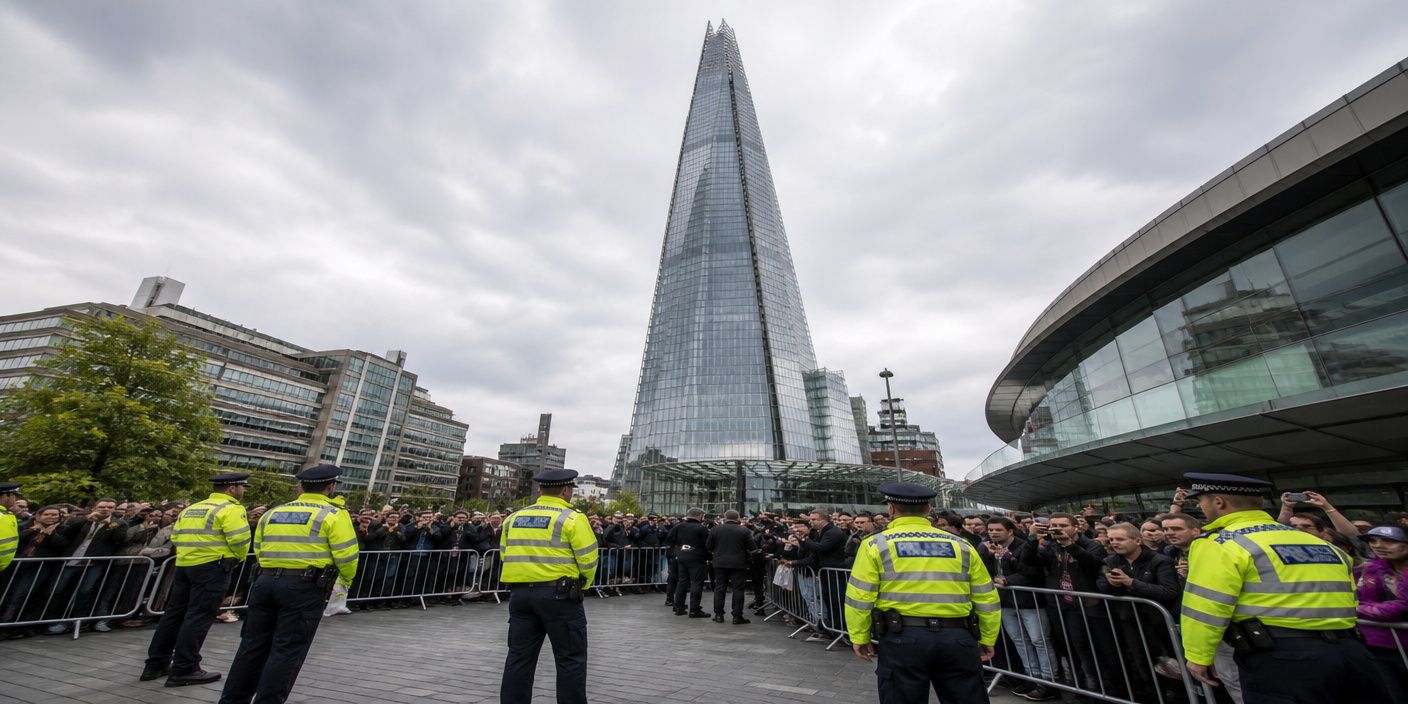
London, a global hub, has unfortunately witnessed numerous significant incidents in recent years, including the Grenfell Tower fire, the Croydon tram accident, and various terror attacks such as those at Westminster Bridge, London Bridge, and Finsbury Park Mosque. These events have had profound and lasting impacts on thousands of individuals, including survivors, their families, first responders, and the wider community.
Statistics underscore the urgent need for enhanced mental health provisions. Studies indicate that between 30-40% of people who endure major traumatic injuries report serious, long-term psychological disorders like Post-Traumatic Stress Disorder (PTSD) or depression, often persisting for a year or more after the event. Despite evidence that psychological distress can remain for at least three years post-incident, a stark reality revealed by the London Major Trauma Psychology Network is that fewer than 10% of affected individuals receive any form of help within the first year. This highlights a significant gap in timely and accessible support, making proactive measures essential.
Comprehensive Online Guidance
The newly launched online resource is designed to bridge this gap by offering practical, trustworthy information that individuals can access at any stage – from the immediate aftermath of a crisis to the long-term journey of rebuilding their lives. Developed with invaluable input from survivors of major incidents, such as Lisa Ghiggini who survived the Fishmongers’ Hall terror attack, the platform provides guidance on a range of critical areas. This includes advice on coping with traumatic events, supporting children and loved ones, identifying early signs of mental health difficulties, and navigating the process of accessing free NHS treatments.
A key feature of the resource is a confidential self-assessment tool, which screens users for symptoms of anxiety, depression, PTSD, and substance misuse, linking them directly to relevant information and NHS treatment pathways. The platform also offers advice on managing the long-term effects of trauma, such as coping with anniversaries and inquests.
Collaboration and Enhanced Support Systems
This initiative is a testament to extensive collaboration. NHS London and West London NHS Trust have partnered with other NHS teams, emergency services, local councils, and community and faith groups to ensure psychological recovery is integrated into the broader response to major incidents. The development process specifically involved survivors, ensuring the resources are resonant and practical for those who have lived through such experiences.
The launch coincides with World Mental Health Day, drawing global attention to ‘Access to Services – Mental Health in Catastrophes and Emergencies’. Beyond this new online hub, London has been strengthening its mental health infrastructure. A £4 million investment has already supported a pilot expansion of psychological support within the capital’s four major trauma centres, benefiting over 5,000 patients and improving the NHS’s resilience to step up support during major incidents.
Looking Ahead
Professor Kevin Fenton, Regional Director of Public Health for London, emphasized the significant impact of major traumatic injury on individuals and communities, acknowledging London’s robust emergency preparedness and response systems. The aim of this new online resource is to empower Londoners, helping them feel informed, supported, and regain a sense of control amidst challenging circumstances. By providing accessible and expert-led guidance, this development marks a significant step forward in mental health provision for those affected by the most devastating of events in London. The news is a crucial update for public health services and support networks across the city.