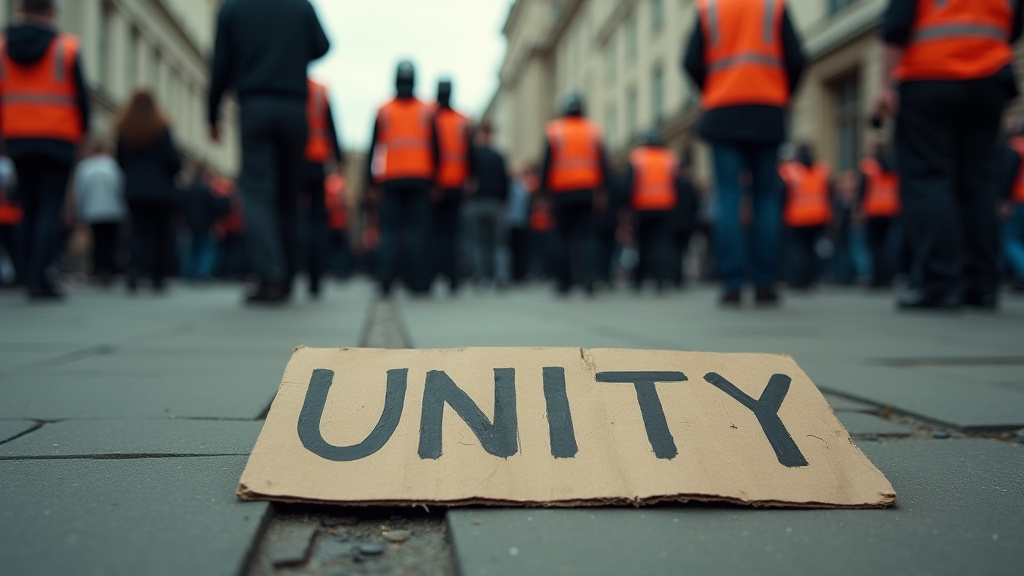
Thousands of demonstrators flooded London streets this weekend in a powerful show of unity, firmly rejecting recent surges in far-right activity across the UK. This massive London march against the far right highlights a significant public mobilization as citizens from diverse backgrounds gathered to signal that divisive rhetoric and hate-driven protests do not represent the majority view of the British public. The atmosphere was one of defiant solidarity, with participants carrying banners advocating for community cohesion, equality, and the rejection of intolerance, effectively countering attempts to sow discord in local neighborhoods.
- Overwhelming turnout across central London streets to counter extremist narratives.
- Protestors emphasized messages of anti-racism, inclusivity, and community unity.
- Demonstrations remained largely peaceful as police monitored the situation to maintain public order.
- Event organizers hailed the massive attendance as a clear rebuttal to hate speech.
- The march serves as a pivotal moment in the ongoing national conversation regarding extremist influence.
The Deep Dive
A Resounding Public Response
The sheer volume of participants at this weekend’s march serves as a barometer for current public sentiment in the United Kingdom. Following a period marked by intensified political polarization and sporadic instances of hate-fueled unrest, the decision to take to the streets was seen by many as a necessary corrective action. The rally was not merely a reaction to specific events, but a proactive display of civic engagement designed to reaffirm the values of tolerance and diversity that proponents believe define modern Britain. The demographics of the crowd were broad, spanning generations, ethnicities, and professional backgrounds, underscoring the universal concern regarding the normalization of extremist discourse.
Countering the Far-Right Narrative
For months, tensions have simmered as various far-right factions have attempted to capitalize on economic anxieties and social grievances, often targeting immigrant communities and minority groups. The march was explicitly organized to deny these groups the narrative dominance they seek. By filling the streets, counter-protesters utilized the most traditional and effective form of democratic expression: public assembly. Political analysts noted that such large-scale mobilizations are crucial for challenging the “silent majority” myth often leveraged by extremist organizers to justify their actions. The visibility of the crowd acted as a physical barrier to the normalization of xenophobia.
The Role of Civic Leadership and Safety
Metropolitan Police maintained a significant presence throughout the capital, aiming to facilitate the constitutional right to protest while mitigating the risk of clashes. The coordination between event organizers and authorities was a key component in maintaining the overall peaceful nature of the event. While there were isolated pockets of verbal confrontation, the day largely remained focused on the stated goals of the marchers. Local leaders and community advocates used the platform to call for sustained engagement beyond the streets, urging citizens to continue promoting constructive dialogue in their respective boroughs to prevent the further spread of extremist ideologies.
Future Implications for Social Cohesion
As the UK looks toward the coming months, this weekend’s events are likely to be viewed as a turning point. The challenge for policymakers now lies in translating this public energy into long-term strategies for social cohesion. Addressing the underlying issues that extremist groups exploit—such as social inequality, perceived isolation, and economic insecurity—is seen by experts as the only viable long-term solution. While the march demonstrated a widespread rejection of hate, the ongoing success of these initiatives will depend on sustained grassroots efforts to bridge the gaps that have allowed far-right sentiments to find a foothold in fractured communities.
FAQ: People Also Ask
Why did people march in London this weekend?
People marched to express unified opposition to far-right extremism, xenophobia, and racism, asserting a public stance in favor of an inclusive and tolerant society.
Was the London march against the far right peaceful?
Yes, while there was a significant police presence to ensure safety, the event was largely characterized by peaceful public expression and community solidarity.
What happens next after these protests?
Organizers and community leaders are shifting focus from the protest itself to sustaining the momentum through long-term community outreach and educational initiatives aimed at fostering national cohesion.