Traders at Brixton Market are engaged in a fierce campaign to secure ownership of the market site, aiming to keep it a community-run asset. Their primary concern is the potential for corporate gentrification, a phenomenon they fear could strip the market of its unique character and displace long-standing local businesses, drawing parallels to the transformations seen in Camden Market and Old Spitalfields Market.
Key Highlights:
- Brixton Market traders are actively campaigning to buy the market site.
- The goal is to maintain community ownership and prevent corporate takeover.
- Traders cite fears of gentrification and loss of character.
- Similar market transformations in Camden and Old Spitalfields serve as cautionary examples.
Community’s Stand Against Corporate Greed in Brixton
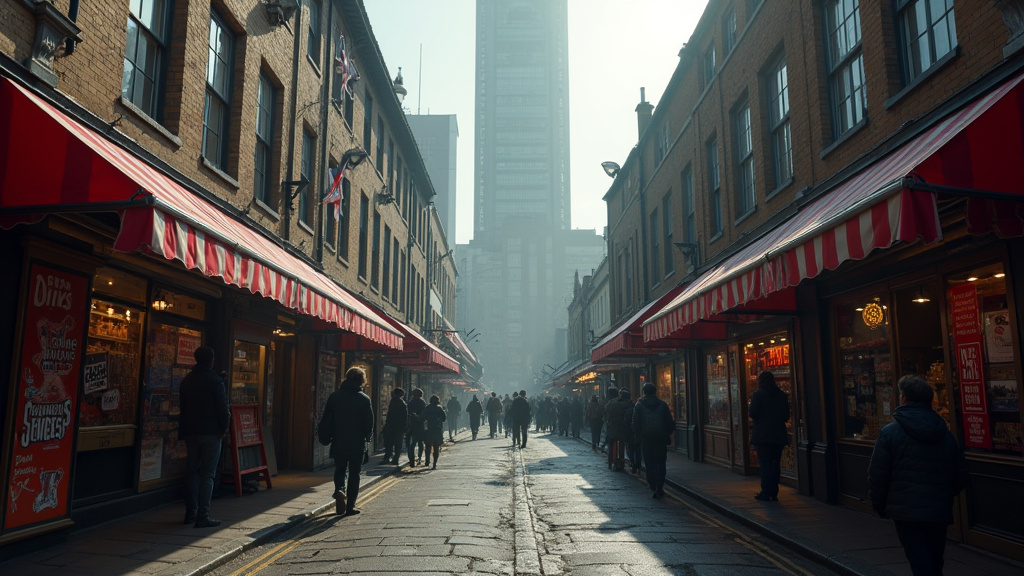
Brixton Market, a vibrant hub steeped in local culture and history, is at a critical juncture. A determined coalition of traders is mobilizing to collectively purchase the market grounds, launching a robust campaign to fend off potential bids from large commercial developers. The specter of corporate ownership looms large, with vendors expressing profound anxieties about the market’s future character and accessibility should it fall into the hands of big business. This grassroots movement is not merely about preserving bricks and mortar; it is a fight to protect the soul of Brixton, a community that has long relied on the market as a vital economic and social cornerstone.
The Specter of Gentrification
The traders’ fears are amplified by historical precedents in other well-known London markets. Camden Market, once a bohemian haven, has undergone significant commercialization, leading to a perceived dilution of its original charm and a rise in chain stores. Similarly, Old Spitalfields Market has seen substantial redevelopment and a shift towards higher-end retail, impacting its accessibility for local artisans and independent businesses. These transformations have served as stark warnings for the Brixton community, fueling their resolve to safeguard their market from a similar fate. The current campaign is a proactive measure to ensure that Brixton Market remains a diverse, affordable, and authentic space for generations to come, rather than becoming a sanitized, corporate-dominated retail zone.
A Fight for Community Ownership
Central to the traders’ strategy is the formation of a cooperative or community trust that would acquire the market site. This model of ownership is seen as the most effective way to guarantee that the market’s future development aligns with the interests of the existing traders and the wider Brixton community. Discussions are reportedly underway with local authorities and potential funding bodies to explore the financial viability of such a purchase. The campaign emphasizes a vision where the market continues to foster local entrepreneurship, provide affordable trading spaces, and serve as a central gathering point for residents, embodying the unique multicultural spirit of Brixton. The traders are leveraging local support, community petitions, and media outreach to build momentum and demonstrate the depth of public backing for their cause.
Economic and Cultural Significance
Brixton Market is more than just a place of commerce; it is an integral part of the area’s identity and a significant contributor to its economy. It supports hundreds of jobs and provides a platform for a diverse range of businesses, from artisan food producers to fashion designers and cultural enterprises. The market’s rich history, dating back to the 19th century, has seen it evolve through various stages, always reflecting the changing demographics and cultural influences of Brixton. Preserving its current form and community-focused ethos is seen by many as crucial for maintaining the social fabric and economic resilience of the wider Brixton area. The ongoing campaign highlights the tension between commercial development pressures and the desire to maintain unique, community-rooted urban spaces.
FAQ: People Also Ask
What are the main concerns of Brixton Market traders?
The primary concerns of Brixton Market traders revolve around the potential sale of the market site to big business and the subsequent risk of corporate gentrification. They fear this could lead to increased rents, displacement of local vendors, and a loss of the market’s unique community character, similar to what has happened at other London markets.
What actions are the traders taking to prevent the sale?
The traders are actively campaigning to buy the market site themselves, aiming to establish community ownership. They are mobilizing support, raising awareness, and exploring financial models for a collective purchase to ensure the market remains under local control.
Why are traders referencing Camden and Old Spitalfields Markets?
They are used as examples of markets that have undergone significant commercialization and redevelopment, leading to a loss of their original atmosphere and accessibility for independent traders and local communities. These serve as cautionary tales for what could happen in Brixton.
What is the historical significance of Brixton Market?
Brixton Market has a history dating back to the 19th century and has long been a vital economic and social hub for the diverse community of Brixton, reflecting its evolving cultural landscape and supporting numerous local businesses and jobs.
What is the proposed alternative to corporate ownership?
The traders are advocating for community ownership, potentially through a cooperative or trust, which would ensure the market’s development remains aligned with the interests of the traders and the local Brixton community, preserving its authenticity and affordability.