Residents Fear Crime Surge as New Music Venue Proposal Sparks Controversy in Deptford
Residents of South London are voicing strong objections to the proposed establishment of a lively event venue called Deptford Storehouse, set to be located in a former newspaper warehouse on Grove Street. This initiative is spearheaded by Spaces & Stories Limited, the venue arm of the Broadwick Group, known for managing popular clubs like Printworks and Drumsheds. The company has submitted an application to Lewisham Council seeking permission to serve alcohol from 8 AM to 10:30 PM, six days a week during events that could attract up to 500 attendees.
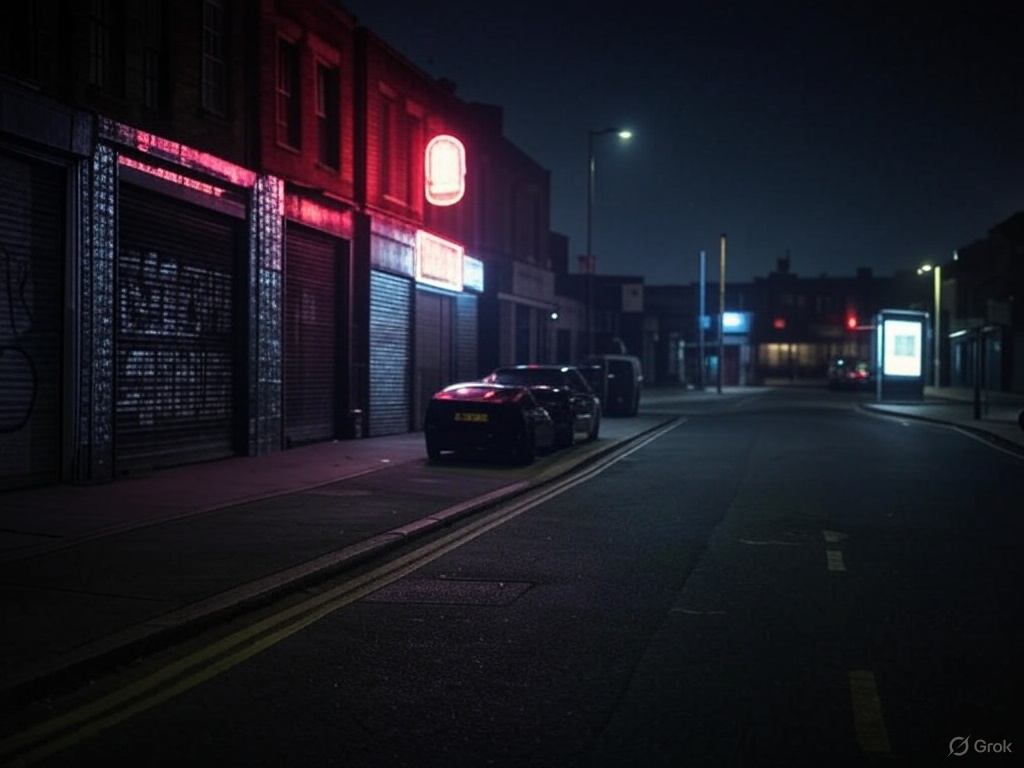
The community’s concerns are centered around the potential transformation of their peaceful neighborhood into a bustling hub of activity that could disrupt their daily lives. At a council licensing meeting held on February 26, local residents expressed fears that such a venue would diminish the tranquil atmosphere that characterizes the area and could potentially lead to an increase in crime.
One long-term resident, Gizella Suki, who has lived in the area for 17 years, articulated her apprehensions, stating, “This area is completely unsuitable for crowds of up to 500 people to come and go. I believe this number of people will increase the crime rate in the area and residents will potentially become collateral damage to this.” Her sentiments reflect a widespread concern among locals about how such events might impact their quality of life and safety.
Another resident, Sophie Greaves, who has been a part of the neighborhood since 2015, echoed these worries. She remarked, “I fully object to this going ahead. […] It’s so quiet here. If the events [are] taking over the summer, we’re going to have our windows open. It’s incredibly stressful and upsetting for residents… It’s a big shed. It’s not sound insulated.” Greaves’ comments highlight the fear of noise pollution and the disruption of daily routines that could arise from such large gatherings.
Community worker Malcolm Cadman weighed in on the matter, questioning the benefits of the venue to local residents. He pointedly remarked, “I don’t have any alcohol for my breakfast. I may go for a drink at lunchtime or in the evening but that’s quite different. This is not really aimed at local people whatsoever.” His observation raises important questions about the venue’s target audience and the potential disconnect between the event organizers and the needs of the local community.
Initially, Spaces & Stories Limited sought permission to host music events with a capacity for thousands of attendees. However, in a bid to address the council’s licensing team’s objections, the firm revised its plans and reduced the maximum capacity to 500 people. Despite these modifications, the Metropolitan Police remained opposed to the proposal, citing concerns about safety and crime.
Michael Feeney, representing the police, articulated these concerns during the council meeting. He stated, “The premises is already in a high crime area; attracting this number of people into the area will only make this worse. […] If you have hundreds of people going to this premises late at night, then there’s the potential for them to become victims of crime as well.” His warning underscores the community’s fears and highlights the complexities of managing public safety in urban environments.
In defense of the proposal, Paddy Whur, representing Spaces & Stories Limited, asserted that the firm is an “industry leader” in transforming large spaces into culturally significant and safe environments. He emphasized that a comprehensive noise management plan would be in place to mitigate disturbances to local residents. Whur also pointed out that the focus of the events would not solely be on alcohol consumption but rather on fostering a creative and engaging atmosphere for attendees.
The proposal to establish the Deptford Storehouse is part of a broader trend in urban development that seeks to repurpose existing structures into thriving cultural venues. Spaces & Stories Limited already manages several other successful venues, including Drumsheds, a 15,000-capacity space in a former Ikea store in Tottenham; The Beams, a 6,420-capacity venue located in a converted warehouse at the Royal Docks; and Freight Island, a vibrant 3,000-capacity space in the heart of Manchester.
As the community awaits the council’s decision on the licensing application, the debate continues to highlight the tension between urban development and community preservation. Advocates for the venue argue that it could bring cultural enrichment and economic benefits to the area, while opponents fear for their safety and the loss of their neighborhood’s character.
In conclusion, the proposal for the Deptford Storehouse has sparked a significant dialogue within the South London community about the balance between development and the preservation of local life. As cities continue to evolve, it is crucial for developers and local authorities to engage meaningfully with residents to address their concerns. The outcome of this licensing application will not only determine the future of the Deptford Storehouse but will also serve as a case study for similar projects in urban areas across the UK.