As London blossoms into mid-April 2026, the city’s independent retail scene is witnessing a profound shift. Moving away from the dominance of mass-produced goods, a new wave of sustainable, curated markets is championing local makers and the circular economy. This weekend, hubs like the Truman Brewery and King’s Cross are hosting major events that signal a departure from transaction-heavy shopping, favoring instead a model rooted in ethical production, storytelling, and direct maker-to-consumer connection. As residents look for alternatives to the environmental toll of fast fashion and rapid shipping, these markets serve as both a marketplace and a proof-of-concept for a more thoughtful, localized urban economy.
Key Highlights
- The Ethical Pivot: Major venues like Truman Brewery are launching curated events, such as ‘The Ethical Edit,’ explicitly banning mass-produced, fast-shipped goods in favor of independent, handmade craftsmanship.
- Circular Economy in Action: Markets are moving beyond sales to incorporate circular fashion, exemplified by the ‘Classic Car Boot Sale’ at King’s Cross, which blends vintage apparel reuse with automotive heritage.
- Mindful Consumption Trends: 2026 consumer habits show a distinct pivot toward ‘Sustainable Luxe’ and ‘visible mending,’ prioritizing the durability and story of an item over impulsive purchasing.
- Community-Led Commerce: Initiatives like Urban Makers are bridging the gap between online platforms and physical retail, fostering a support network that allows small artisans to thrive in high-footfall, iconic London locations.
London’s Sustainable Shift: From Consumption to Connection
For decades, the standard retail model in London relied on high-volume throughput. However, the current landscape of April 2026 suggests a fundamental restructuring of how Londoners engage with the products they bring into their homes. The rise of these sustainable markets is not merely a trend—it is a response to a growing societal desire for transparency and tactile, human-centric commerce.
The Ethical Edit at Truman Brewery
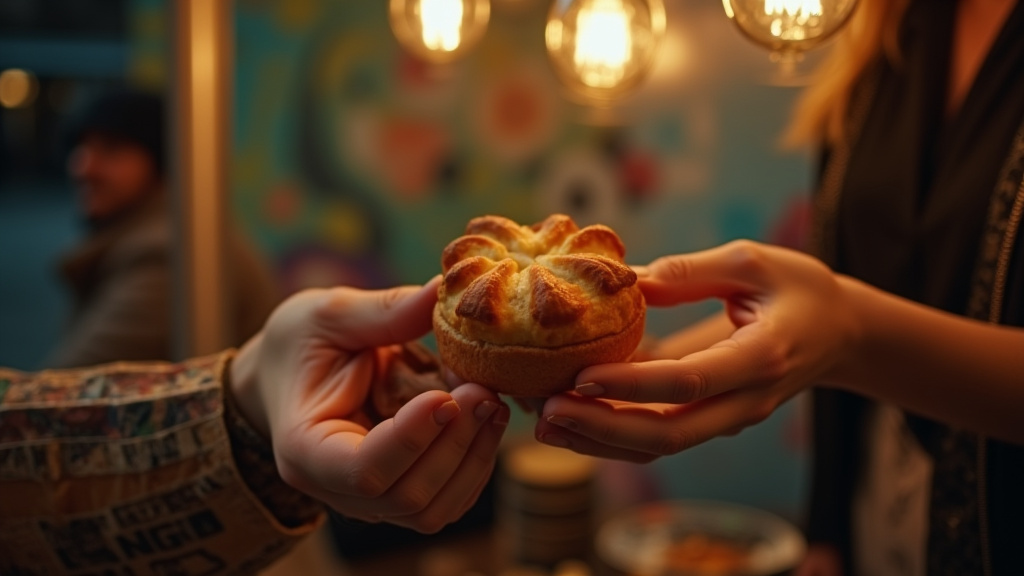
At the heart of the East London creative scene, the Truman Brewery on Brick Lane is hosting ‘The Ethical Edit’ this weekend. This isn’t your average pop-up. The management has curated the vendor list to focus entirely on ethical practices, independent makers, and high-quality, small-batch production. From hand-painted jewelry that weaves personal memories into design to natural skincare lines, the market functions as a living laboratory for the circular economy. For the consumer, it offers a tangible difference: the opportunity to speak with the map-maker, the ceramicist, or the textile artist. This interaction serves as a powerful antidote to the isolation of online shopping, reconnecting the shopper with the provenance of their goods.
Reclaiming Public Spaces for Community Value
Across town at King’s Cross, the ‘Classic Car Boot Sale’ provides a different but equally vital approach to sustainability. Transforming Granary Square and Coal Drops Yard, the event creates a high-energy space where vintage fashion is championed alongside classic, heritage vehicles. By centering the event on reuse and the preservation of quality goods, the organizers have turned a simple flea market into a vibrant celebration of culture and history. This approach demonstrates that sustainability does not have to be austere; it can be high-energy, musical, and inherently social. With roughly 10,000 daily visitors expected, the scale of this event proves that there is significant market appetite for pre-loved and circular shopping models.
The Rise of the ‘Mindful Maker’
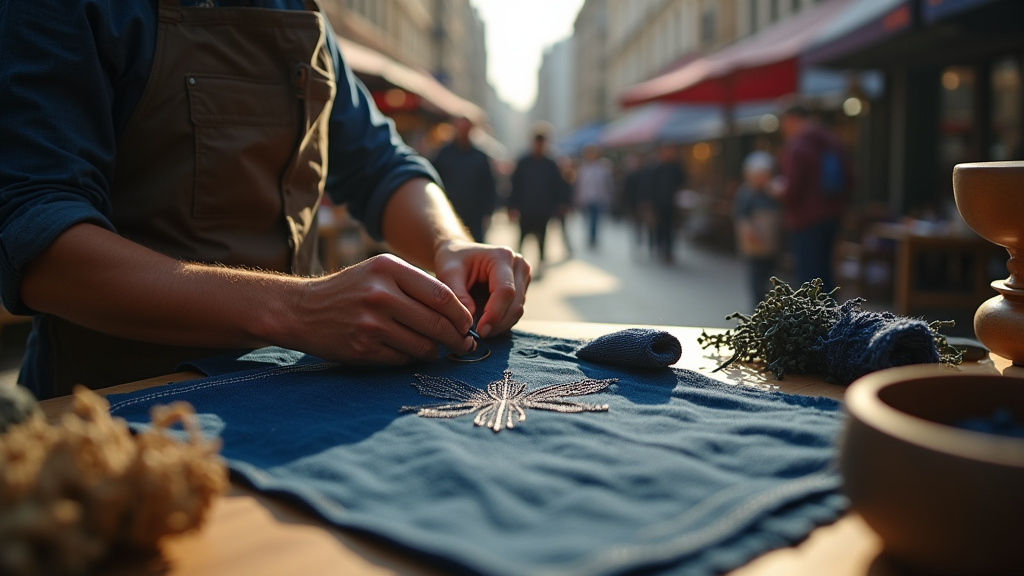
Consumer research entering the second quarter of 2026 highlights a surge in ‘Sustainable Luxe.’ Shoppers are increasingly rejecting the disposable nature of fast fashion in favor of items that carry a higher price point but offer greater durability and artisanal value. This shift is mirrored by the makers themselves. Whether it is using recycled metals, plant-dyed fabrics, or biodegradable embellishments, the design focus has moved toward ‘thoughtful refinement.’ The ‘Mindful Maker’ movement, which combines traditional skills like sashiko mending with modern design aesthetics, has become a badge of honor for the conscious consumer. The boundary between digital design—such as laser-cut precision—and handmade warmth is blurring, creating a hybrid craft sector that is both innovative and deeply traditional.
The Economic Case for Localized Supply
Beyond the environmental benefits, these markets are strengthening London’s internal economic resilience. Organizations like Urban Makers are successfully demonstrating how an independent maker can scale their business by utilizing a mix of online marketplaces, temporary pop-ups at high-traffic sites like Old Spitalfields Market, and permanent brick-and-mortar storefronts on streets like Roman Road. This diversification protects small businesses from the volatility of single-channel retail. By fostering a network where makers share knowledge, participate in skill-swaps, and leverage group marketing, these collectives are proving that small-scale, sustainable production is not only viable but commercially competitive in a city as expensive as London.
Future Predictions: Technology and Traceability
Looking toward the remainder of 2026 and beyond, we can expect the integration of technology to further enhance the transparency of these markets. Expect to see blockchain-backed traceability for textiles, where a QR code on a hand-woven bag reveals the specific farm the fiber originated from and the workshop where it was constructed. Furthermore, as the ‘wabi-sabi’ philosophy—finding beauty in imperfection—gains mainstream adoption, the value of ‘seconds’ and ‘samples’ sales will likely increase, further reducing the industry’s waste footprint. The market for circular goods is no longer a niche hobby; it is becoming the standard for the modern London consumer.
FAQ: People Also Ask
Q: Why are these sustainable markets gaining so much traction in 2026?
A: Consumers are increasingly conscious of their environmental footprint and are experiencing ‘digital fatigue’ from AI-generated content and fast-fashion platforms. These markets offer a physical, authentic connection to creators and a guarantee of ethical production standards.
Q: Do I have to pay an entry fee for these sustainable markets?
A: Many of the premier sustainable markets in London, such as the 2026 Summer Makers & Craft Pop-Up, offer free admission to encourage maximum footfall and support for local artisans, though some specialized events may have ticketed components.
Q: How do these markets ensure the products are actually sustainable?
A: Many organizers, such as those behind ‘The Ethical Edit,’ utilize a strict, curated application process. They assess factors like material sourcing, labor practices, and the producer’s commitment to circular business models (e.g., using deadstock or recycled materials) before granting a stall.
Q: Can small makers compete with big-box retailers?
A: Yes, by utilizing ‘hybrid’ business models—combining local market presence for brand building with online platforms for consistent, nationwide sales—independent makers are successfully bypassing traditional, high-overhead retail constraints.