The modern museum is undergoing a profound identity crisis, caught between the static demands of artifact preservation and the dynamic needs of 21st-century community engagement. As global cities rethink their cultural infrastructure, London’s V&A East stands as a bold architectural answer to the question: ‘What should a museum look like?’ Designed by the acclaimed Irish architectural firm O’Donnell + Tuomey, the project is not merely an extension of the storied Victoria and Albert Museum in South Kensington; it is a fundamental reimagining of how institutions interface with the public, utilizing fluid spatial choreography and raw, honest materiality to create a space that feels less like a fortress of culture and more like an extension of the city itself.
Key Highlights
- Architectural Innovation: Dublin-based firm O’Donnell + Tuomey designed V&A East to prioritize fluid, un-hierarchical spaces, moving away from the traditional, rigid ‘gallery box’ format.
- Community Integration: Located within the Queen Elizabeth Olympic Park, the building is explicitly designed to serve as a ‘front door’ to the East Bank, acting as a bridge between high culture and local community life.
- Materiality and Tone: The design emphasizes tactile, organic materials and natural lighting, shifting the museum experience from a sterile, cold environment to a warm, inviting cultural hub.
- Cultural Decentralization: The project represents a significant shift in London’s cultural geography, moving investment and artistic focus from the affluent west to the historically industrial and regeneration-focused east.
The Architecture of Openness: Reimagining the Museum
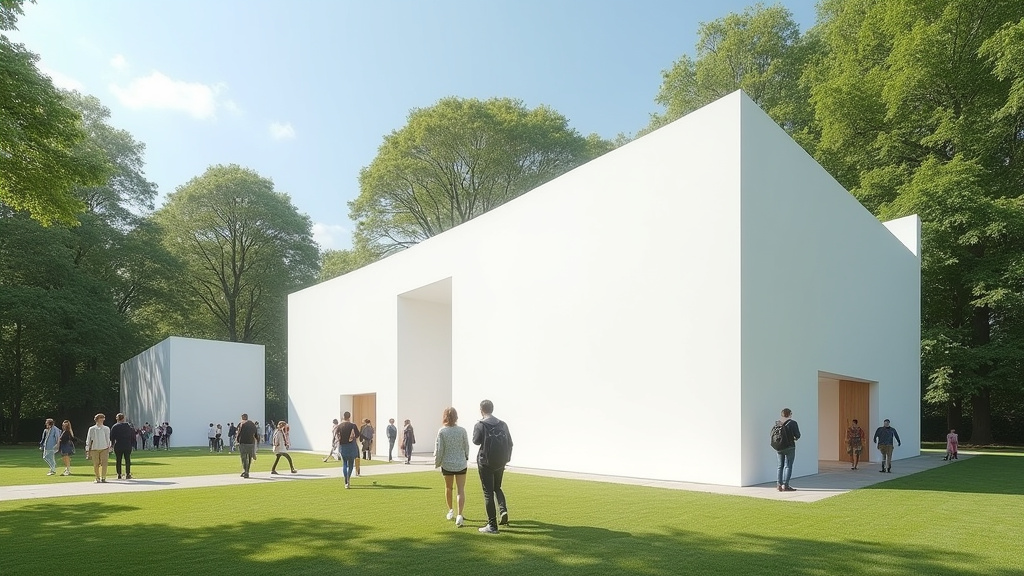
For decades, the standard architectural template for a major museum was the ‘white cube’ or the ‘temple on a hill’—monumental structures that imposed a sense of reverence, often at the expense of accessibility. O’Donnell + Tuomey have rejected this model entirely. Their approach to V&A East—which is situated in Stratford’s East Bank cultural quarter—prioritizes permeability. The structure is characterized by its sculpted, expressive form, which uses geometry to guide visitors through the building in a natural, intuitive flow rather than a prescribed, linear path.
The Irish Influence: Craft and Context
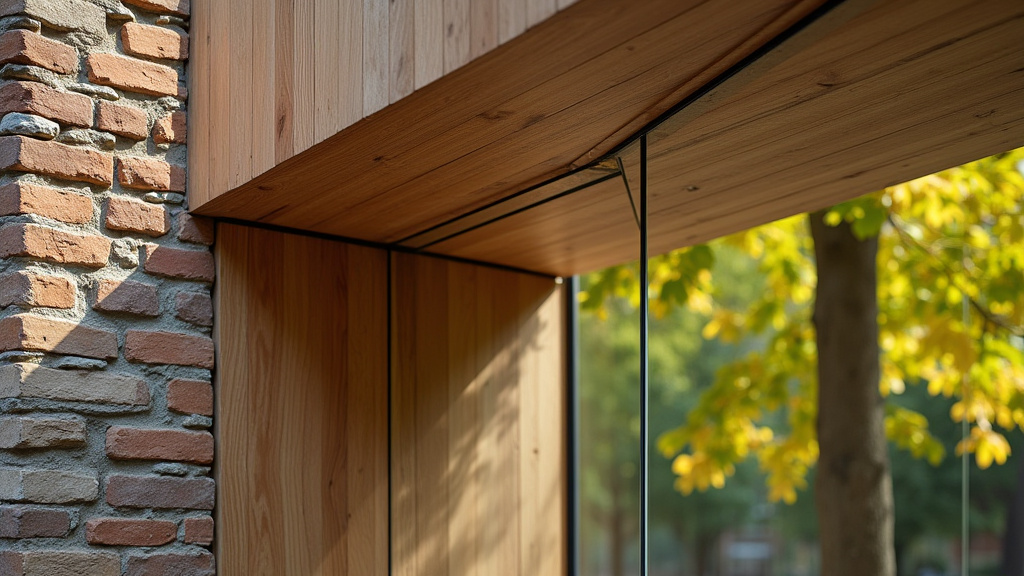
O’Donnell + Tuomey are known for their distinctively sculptural work, often drawing on a deep understanding of Irish landscape and vernacular architecture. By applying this sensibility to a major urban intervention in London, they have brought a level of intimacy to a massive civic project. The architects have focused on ‘tactile’ experiences. In the digital age, where much of our viewing is done via screens, the museum of the future, according to this design philosophy, must offer a physical reality that is undeniable. This means using textured brickwork, timber elements, and strategic glass placements that connect the interior exhibitions to the expansive views of the Olympic Park.
This is not accidental. The firm’s methodology often involves ‘spatial narrative,’ where the building’s layout tells a story about its place in the world. By situating the V&A East as part of the wider regeneration of Stratford, the architects have ensured that the museum doesn’t feel like a transplanted object but a rooted entity. It engages with the heritage of the site—the industrial, canal-side history of East London—while simultaneously looking forward to the future of the East Bank’s role as a global innovation hub.
The Shift from Artifact Warehousing to Community Hubs
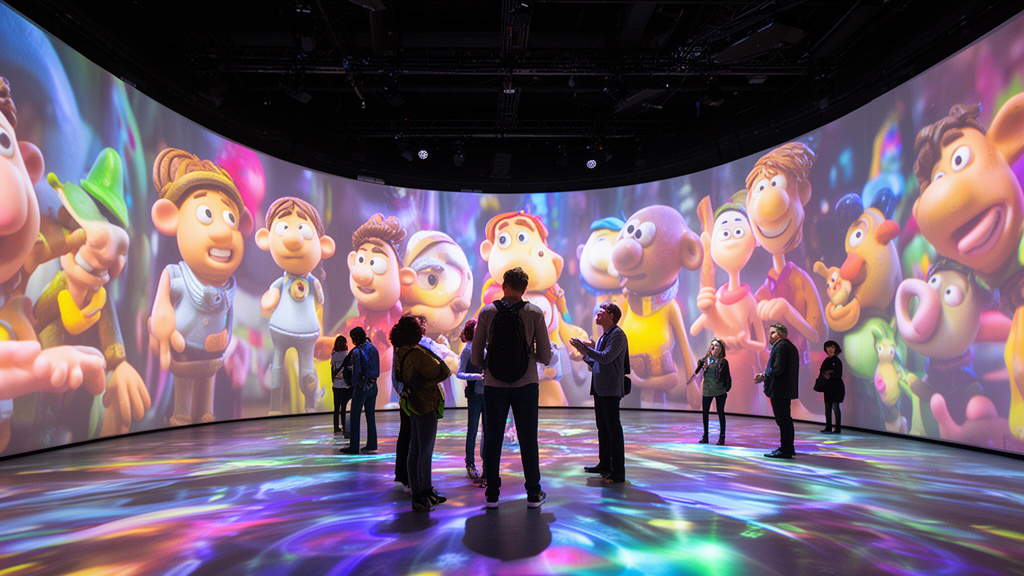
One of the most critical questions facing curators today is how to remain relevant in a world where information is ubiquitous. The answer, as explored by the V&A East design, is to transform the museum into a ‘third space.’
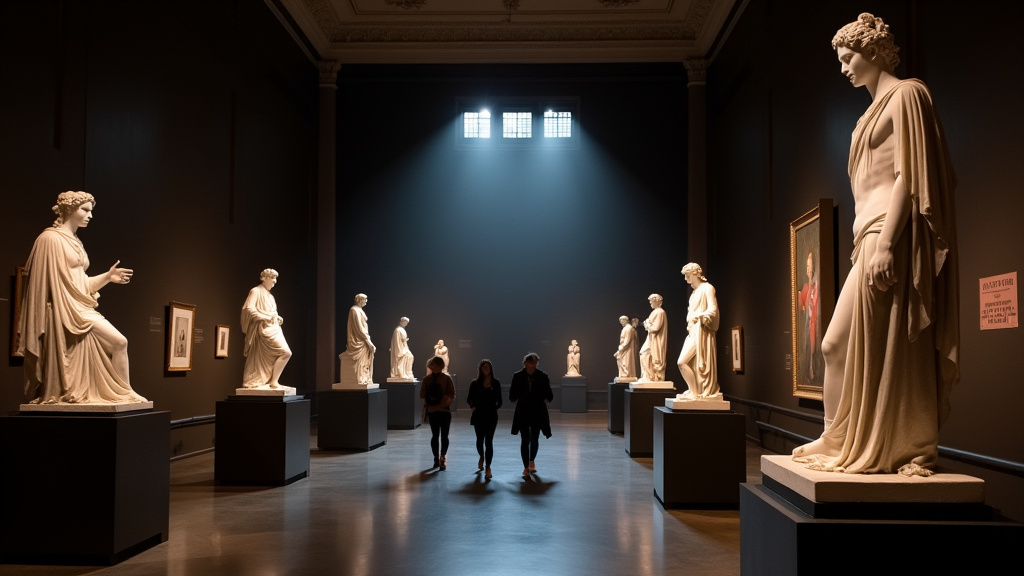
Historically, museums acted as warehouses—places where objects were stored, categorized, and protected from the outside environment. V&A East flips this dynamic. The architectural design includes open studios, workshop areas, and multi-use spaces that are visible from the exterior. By breaking down the ‘fourth wall’ of the museum, the architecture encourages spontaneous engagement. It creates a space where the barrier between the ‘expert’ curator and the ‘lay’ visitor is effectively dissolved, promoting a democratic approach to cultural consumption.
The Economic and Cultural Impact of East Bank
It is impossible to discuss the architectural design without addressing its socio-economic context. The East Bank project, which includes neighbors like the Sadler’s Wells East and the V&A East Storehouse, is one of the most significant cultural investments in the UK since the 2012 Olympics.
By placing a world-class institution in Stratford, the project challenges the ‘West London’ hegemony of the arts. This isn’t just an architectural choice; it’s a political and economic one. O’Donnell + Tuomey’s design creates a anchor for this new cultural district. It provides a visual and physical structure that legitimizes the area as a destination. The building acts as a landmark, using its unique, undulating form to draw visitors from the transport hubs of Stratford directly into the cultural heart of the park. It is a masterclass in urban planning as much as it is in building design.
Sustainability as a Design Principle
Finally, we must look at the environmental imperatives of 21st-century architecture. A modern museum cannot afford to be energy-inefficient. The design of V&A East integrates passive environmental controls, maximizing natural light to reduce energy consumption while utilizing durable, sustainable materials that minimize the structure’s lifecycle carbon footprint. The firm has demonstrated that high-design, high-impact architecture does not need to be environmentally wasteful; it can be efficient, thoughtful, and long-lasting.
FAQ: People Also Ask
1. What is the main design philosophy behind V&A East?
The main design philosophy, driven by architects O’Donnell + Tuomey, focuses on creating an open, fluid, and democratic space that connects seamlessly with the surrounding Queen Elizabeth Olympic Park, moving away from the ‘fortress-like’ museum designs of the past.
2. Where exactly is V&A East located?
V&A East is located in the Queen Elizabeth Olympic Park in Stratford, East London. It is a central component of the new East Bank cultural and educational district.
3. How does the architecture benefit the local community?
The design emphasizes transparency and accessibility, with open studios, workshop spaces, and community-facing areas that encourage local residents to engage with the museum, rather than just acting as a venue for passive viewing.
4. Why is Irish architecture involved in a London museum project?
O’Donnell + Tuomey are an internationally renowned firm with a reputation for sculptural, contextual architecture. Their involvement was the result of a competitive selection process that sought an innovative approach to museum design that could bridge the gap between high-level curation and public engagement.