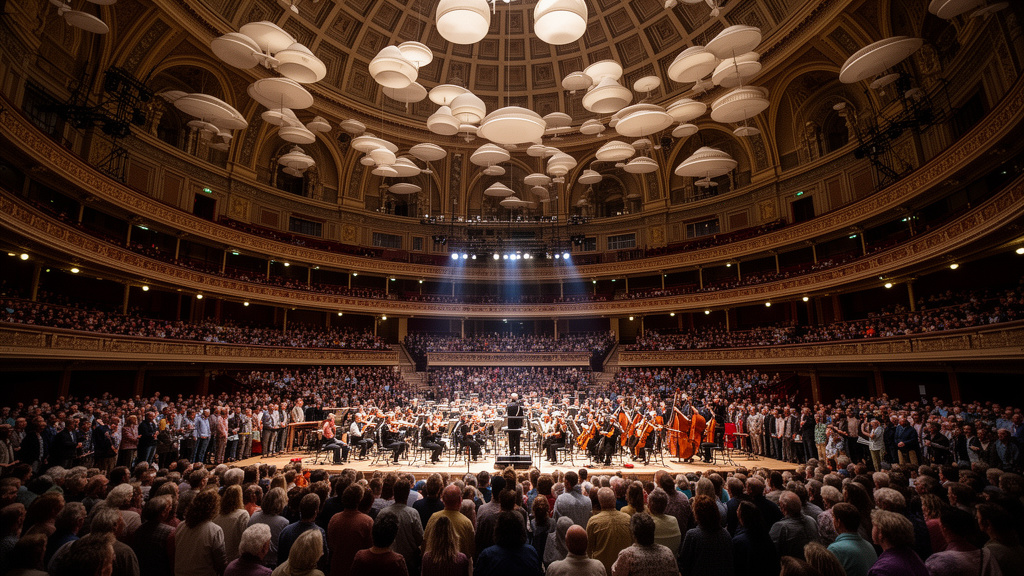
The irony is palpable: a subculture explicitly named for its geographic defiance—a movement forged in the furnaces of industrial Northern England—is finding its current heartbeat in the gentrified dancehalls of the South. Northern Soul, once the exclusive dominion of working-class youth in towns like Wigan, Blackpool, and Stoke, has increasingly migrated south, with London and Bristol now serving as the epicenters of the modern revival. This shift has sparked a spirited, often heated debate within the community regarding cultural appropriation, class heritage, and the very definition of ‘authenticity’ in a digital age.
Key Highlights
- The Northern Soul scene, historically anchored in the industrial Midlands and North, is seeing a demographic and geographic shift, with major hubs now appearing in London and Bristol.
- This migration has reignited debates about whether the subculture is losing its working-class heritage or simply evolving for a new generation.
- Digital accessibility, viral social media trends, and a modern fascination with ‘retro’ aesthetics are driving the resurgence among young people who have no direct link to the scene’s 1970s heyday.
- The tension between purists, who advocate for ‘keeping the faith’ and adhering to original codes, and newer converts, who view the scene as an open, evolving musical space, continues to define the discourse.
The Geographic Paradox of a Subculture
To understand the magnitude of the current shift, one must first appreciate what Northern Soul truly represented at its inception. In the late 1960s and early 1970s, Northern Soul was not merely a music genre; it was a sanctuary. For young people in Northern industrial towns, life was often defined by the factory shift, the looming threat of deindustrialization, and a lack of social mobility. The ‘all-nighter’ clubs—the legendary Wigan Casino, the Blackpool Mecca, and The Torch—provided an escape. The music, largely consisting of uptempo, obscure, and soulful American rhythm-and-blues records, was the soundtrack to a weekend-long ritual of athleticism, sweat, and community.
The term ‘Northern Soul’ itself was a geographic misnomer, famously coined by London music journalist Dave Godin, who observed that customers at his London record shop, Soul City, were specifically buying records with a faster tempo, which were favorites among Northern club-goers. The music was American, the dancers were Northern, and the energy was uniquely British-working-class. Now, as the scene gains popularity in cities like London and Bristol, the geographic label has become even more ambiguous. If the ‘Northern’ in Northern Soul is its defining characteristic, does the music lose its soul when transported to the refined, expensive ballrooms of the South?
The Digital Catalyst
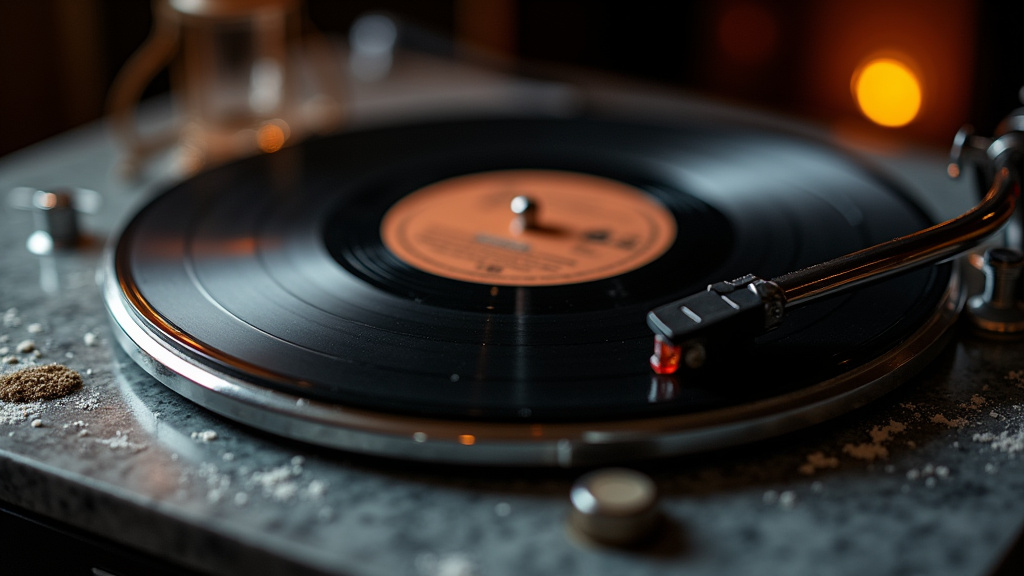
There is no denying that the contemporary revival of Northern Soul is inextricably linked to the democratization of music discovery. In the 1970s, finding the ‘right’ record was an arduous, expensive, and secretive process. DJs would travel to the United States to dig through dusty crates in record stores, hoping to find a rare, unreleased, or forgotten B-side that could clear a dancefloor of bored patrons and fill it with fanatics.
Today, that exclusivity has been replaced by the instantaneity of algorithms. TikTok, Instagram, and specialized YouTube channels have introduced the high-kicking, spinning, and acrobatic dance style of Northern Soul to a global audience. For a 24-year-old living in London or Bristol, the barrier to entry is no longer a physical trip to a record store or a train ride to a distant club—it is a smartphone screen. This digital visibility has undoubtedly expanded the scene’s footprint, bringing in a diverse crowd of younger fans. However, this accessibility has also diluted the ‘underground’ mystique that once served as the scene’s lifeblood.
The Class Conversation
Perhaps the most poignant aspect of this Southern migration is the conversation surrounding class. Northern Soul was historically a working-class movement, a rebellion against the mainstream ‘hippie’ culture of the time. It was a space where status was defined not by wealth or background, but by the rarity of one’s record collection and the stamina of one’s feet on the dancefloor.
As the scene moves South, critics argue that the aesthetic is being co-opted by a more affluent, creative class who view the culture as a ‘vibe’ or a fashion trend rather than a lived experience of socio-economic necessity. The Rivoli Ballroom in London or venues in Bristol are worlds apart from the sweat-drenched, industrial settings of the 1970s. While these new venues provide excellent sound systems and more comfortable surroundings, they lack the raw, gritty history that gave the music its initial urgency. This friction between the ‘preservationists’—who want to maintain the strict codes and sounds of the original era—and the ‘evolutionists’—who want to see the scene grow and include new sounds—is the defining conflict of the modern Northern Soul movement.
Can the Music Survive the Move?
Despite the skepticism, there is a compelling argument to be made for the endurance of Northern Soul. Music, by its nature, is migratory. Just as the American soul music of the 1960s was exported to Britain, the British interpretation of that music is now being re-exported and re-interpreted. The fundamental elements—the devotion to the rhythm, the community of the dance floor, and the sheer joy of physical expression—transcend geography.
Whether the movement is in a working-class club in Wigan or a chic warehouse in South London, the goal remains the same: the preservation of a specific type of joy found in the obscure and the forgotten. As long as the music is treated with reverence and the dance floor remains a space for liberation, the ‘Northern’ in Northern Soul may slowly evolve from a geographic descriptor into a state of mind—an enduring commitment to a sound that refuses to fade away, regardless of where the party is held.
FAQ: People Also Ask
1. Why is it called ‘Northern Soul’ if it’s just American music?
The name refers to the scene and the culture that developed around the music in Northern England in the late 1960s. While the records were American, the way they were curated, danced to, and celebrated was a uniquely Northern British phenomenon.
2. Is the Northern Soul scene losing its ‘authentic’ roots by moving South?
Authenticity is subjective. While some purists argue the scene loses its grit when removed from its industrial context, others argue that the survival of the music depends on younger generations, regardless of their location, keeping the interest alive.
3. What makes Northern Soul dancing so unique?
It is characterized by high-energy, athletic movements—spins, flips, kicks, and drops—often performed on dancefloors covered in talcum powder to reduce friction, allowing for easier sliding and spinning. It is fundamentally a style built for stamina and speed.
4. Will Northern Soul survive another decade?
Given the current surge in popularity across digital platforms and the cross-generational appeal of the music, the scene shows no signs of disappearing. It is likely to continue evolving, potentially blending with other electronic genres while maintaining its core dedication to vintage soul.