The UK economy experienced a worrying standstill in January, with growth stalling amid escalating concerns over the impact of the Iran conflict on global energy prices and broader economic stability.
Key Highlights:
- UK economic growth flatlined in January.
- Fears of the Iran conflict’s impact on energy prices are a significant contributing factor.
- The Bank of England is closely monitoring the situation for potential inflationary pressures.
- Consumer confidence may be affected by the ongoing geopolitical uncertainty.
Economic Stagnation Amid Geopolitical Tensions
January Sees Zero Growth
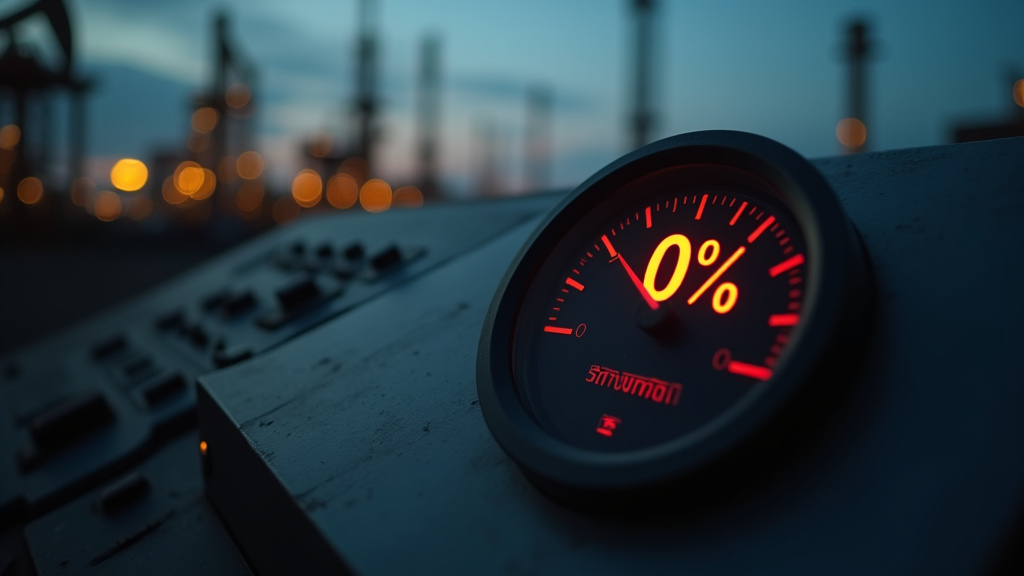
The British economy failed to expand in January, marking a significant pause in activity that raises immediate concerns for policymakers. Data released today indicates a complete lack of growth, a stark contrast to the modest expansions seen in previous months. This unexpected stagnation is primarily attributed to a confluence of factors, with the escalating tensions in the Middle East and their potential to disrupt global energy supplies taking center stage.
The Iran Conflict’s Shadow
The ongoing geopolitical instability surrounding Iran has cast a long shadow over global markets, and the UK is not immune. Fears of supply chain disruptions, particularly concerning oil and gas, have intensified. Any significant escalation or prolonged conflict in the region could lead to a sharp increase in energy prices, directly impacting household budgets and business costs. This anticipated inflationary pressure is a key reason cited for the economic slowdown.
Bank of England’s Watchful Eye
Central bank officials at the Bank of England are reportedly on high alert, closely monitoring the economic fallout from the Iran conflict. While the immediate data shows stagnation, the primary concern is the potential for sustained inflation if energy prices surge. The bank’s Monetary Policy Committee will be weighing these risks heavily in its upcoming decisions, balancing the need to control inflation with the imperative to avoid further stifling economic growth.
Impact on Consumer and Business Confidence
The uncertainty generated by the geopolitical situation, coupled with the stagnation in economic output, is likely to weigh on both consumer and business confidence. Households may become more cautious with their spending, and businesses might delay investment decisions, further exacerbating the economic slowdown. This psychological impact, driven by fear of future price hikes and instability, can become a self-fulfilling prophecy for a sluggish economy.
Historical Parallels and Future Outlook
Economists are drawing parallels to past periods of geopolitical uncertainty that have led to energy price shocks and subsequent economic downturns. While the current situation has unique elements, the playbook of anticipating and reacting to potential supply-side shocks remains relevant. The immediate outlook for the UK economy hinges precariously on de-escalation in the Middle East and the resilience of global energy markets. Any prolonged period of high energy prices would undoubtedly complicate the government’s efforts to foster growth and stability.
FAQ: People Also Ask
What does it mean for the UK economy to stall?
It means that the country’s economic output, typically measured by Gross Domestic Product (GDP), did not increase or decrease during the period in question. In January, the UK economy essentially remained flat, indicating a lack of new economic activity or expansion.
How could the Iran conflict affect the UK economy?
The primary concern is the impact on energy prices. Iran is a significant oil-producing nation, and conflict in the region could disrupt global oil and gas supplies, leading to higher prices for consumers and businesses in the UK. This can fuel inflation and reduce purchasing power.
What is the role of the Bank of England in this situation?
The Bank of England’s main role is to maintain price stability and support sustainable economic growth. In this scenario, they will be closely watching inflation risks stemming from energy prices and may adjust interest rates or use other monetary policy tools to manage these pressures.
Why is the timing of this economic stall concerning?
The stall in January is concerning because it follows a period where some growth was being observed. It suggests that emerging global threats, like geopolitical conflict, can quickly derail tentative economic recovery, indicating a fragile economic environment.
What are the potential long-term consequences of this economic standstill?
If the stagnation persists and is coupled with rising inflation (stagflation), it could lead to a prolonged period of low growth, higher unemployment, and reduced living standards. Businesses might scale back operations or postpone expansion plans, hindering future economic potential.