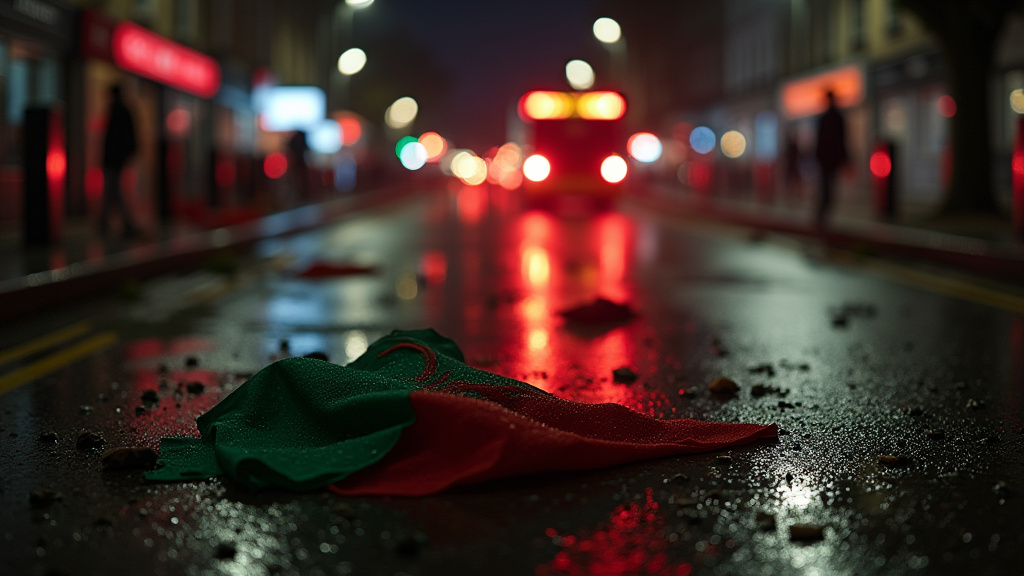
London was plunged into chaos on July 10, 2026, as celebrations for Morocco’s World Cup quarterfinal match against France devolved into widespread riots and violent confrontations with police. Thousands of Moroccan fans, initially gathered to support their team, turned to destruction and public disorder after the 2-0 defeat, leading to a significant police response and several injuries. The most intense scenes unfolded on Edgware Road, a street known for its significant Arab and North African community presence, which became the epicenter of the unrest.
Social media platforms were flooded with alarming videos depicting the extent of the chaos. Fans were seen disrupting traffic, climbing onto moving vehicles, and igniting fireworks and flares, casting a pall over what should have been a night of sporting passion. Objects were hurled at law enforcement officials, who were forced to deploy riot gear and establish barricades to regain control of the situation. The violence was a stark contrast to the expected fan celebrations, highlighting a troubling escalation of disorder.
Key Highlights:
- Violent clashes broke out in London following Morocco’s World Cup exit on July 10, 2026.
- Edgware Road became the focal point of disturbances, with thousands of fans involved.
- Disruptions included traffic obstruction, fireworks, and projectile throwing.
- Riot police were deployed, and at least one officer sustained injuries.
- The events followed Morocco’s 2-0 loss to France in the World Cup quarterfinals.
Edgware Road Erupts: From Fanaticism to Fury
The initial atmosphere on Edgware Road was one of fervent support for the Moroccan national team, with crowds gathering to watch the crucial World Cup quarterfinal match against France on July 10, 2026. However, as the final whistle blew, confirming Morocco’s 2-0 defeat, the mood rapidly shifted from hopeful anticipation to widespread disappointment and, subsequently, destructive anger. What began as a public display of national pride transformed into a night of mayhem that required a heavy police presence.
The scale of the gatherings overwhelmed initial police efforts to manage the crowds. As darkness fell, the situation escalated dramatically. Videos captured fans engaging in dangerous behavior, including standing on moving cars and setting off pyrotechnics that illuminated the night sky with a mix of celebration and alarm. The disruption of traffic created gridlock and further fueled the sense of disorder, impacting local residents and businesses.
Police Response and Officer Safety
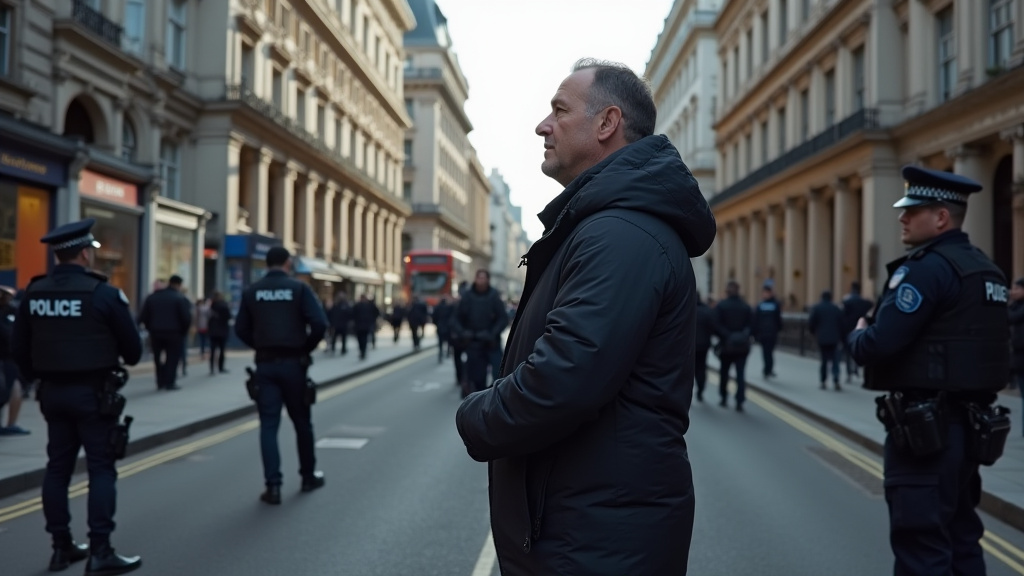
Metropolitan Police units, including specialist riot control officers, were rapidly deployed to Edgware Road and surrounding areas to contain the escalating violence. Their primary objective was to disperse the crowds, prevent further damage to property, and ensure public safety. Barricades were erected, and officers formed lines to push back against the aggressive elements of the crowd. The confrontation was intense, with officers facing a barrage of thrown objects. Reports confirmed that at least one police officer was injured during the clashes, underscoring the dangerous nature of the events. The Metropolitan Police have initiated investigations into the disorder, aiming to identify and apprehend those responsible for criminal acts.
Socio-Cultural Context and Fan Behavior
Edgware Road, a well-known hub for London’s Arab and North African communities, often sees large gatherings during major international sporting events. While these events typically foster a vibrant, celebratory atmosphere, the events of July 10, 2026, present a concerning deviation. Experts suggest that the intense emotional investment in national teams, particularly during high-stakes tournaments like the World Cup, can sometimes manifest in extreme behaviors. This incident raises questions about crowd management strategies and the channels available for passionate fan expression.
Economic and Community Impact
The riots on Edgware Road inevitably had a tangible impact on the local economy and community. Businesses operating in the affected area likely suffered from disrupted trade, potential property damage, and the general atmosphere of insecurity. The clean-up operation and the ongoing investigations will also incur costs for the city. Community leaders are expected to address the aftermath, seeking to restore calm and prevent future occurrences, while also acknowledging the passionate support shown by many fans who did not engage in the violence.
Historical Parallels and Future Implications
While this specific incident on July 10, 2026, is fresh, London has a history of public order disturbances linked to major sporting events, both domestic and international. Understanding the triggers and patterns of such events is crucial for future planning and prevention. The Metropolitan Police’s response and subsequent investigations will set a precedent for how such large-scale disorder is managed. The incident also highlights the ongoing challenge of balancing passionate fan engagement with the need for public safety and order.
FAQ: People Also Ask
What caused the chaos in London after Morocco’s World Cup match?
Chaos erupted in London on July 10, 2026, following Morocco’s 2-0 defeat to France in the World Cup quarterfinals. What began as a large gathering of Moroccan fans on Edgware Road quickly escalated into violent clashes with riot police, involving disruptions to traffic, fireworks, and the throwing of objects.
Where did the main disturbances occur?
The primary disturbances occurred on Edgware Road in London, an area known for its significant Arab and North African community. Thousands of Moroccan fans were present in this location.
Were there any injuries reported?
Yes, at least one police officer was reported injured during the violent clashes with the crowd. The extent of any injuries to fans has not been as widely reported.
What was the outcome of the match that preceded the riots?
Morocco lost their World Cup quarterfinal match to France with a score of 2-0. This defeat was the catalyst for the fan gatherings that subsequently turned chaotic.
What actions did the police take?
The Metropolitan Police deployed riot police and established barricades to control the crowds and manage the escalating violence. Investigations are underway to identify and apprehend those involved in criminal acts during the riots.