The UK economy marked a significant turning point this morning, 23 July 2026, as the latest data from the Office for National Statistics (ONS) confirmed that headline inflation has cooled to 2.6% for the month of June. This relief, providing a welcome reprieve for both households and businesses grappling with sustained pricing volatility, has been met with a simultaneous, aggressive intervention from the government: a mandated 20% reduction in business rates specifically targeted at the hospitality and local cultural sectors. This dual-pronged development aims to stabilize the national economic outlook while preventing a further wave of insolvencies within the UK’s essential high-street economies.
Key Highlights
- Inflation Cooling: June CPI data confirms inflation has decelerated to 2.6%, marking a critical point of stabilization for the UK economy.
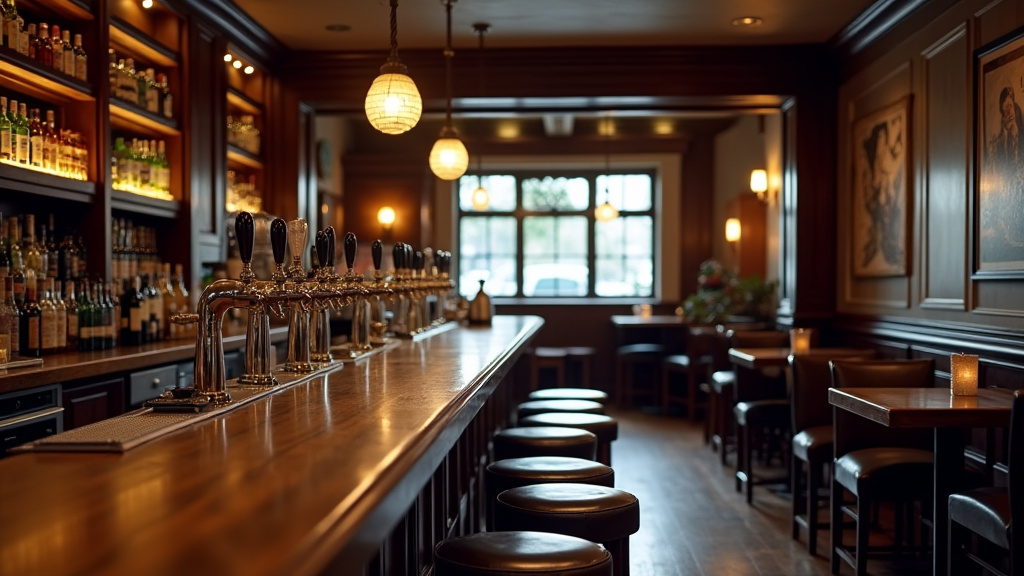
- Targeted Relief: HM Treasury has announced an immediate 20% reduction in business rates specifically for pubs, private social clubs, and smaller grassroots music venues.
- Economic Strategy: The policy is designed to bolster local economic activity and provide a fiscal cushion against rising operational costs that have plagued the hospitality sector.
- Insolvency Outlook: Analysts anticipate that the reduction in fixed overheads will directly lower the insolvency risk profile for thousands of small-to-medium-sized businesses.
Navigating the Shift: The Hospitality Support Package
The dual announcement on 23 July 2026—the cooling of the inflationary environment and the implementation of targeted relief—represents a pivotal moment for British commercial policy. For months, the hospitality sector, specifically the ecosystem of pubs, social clubs, and music venues, has been navigating a ‘perfect storm’ of stagnant consumer spending and high fixed operational costs.
The Impact of the 2.6% Inflation Milestone
The drop in inflation to 2.6% is arguably the most significant economic indicator released this year. It signals that the restrictive monetary policies of the past several quarters are having the intended impact of tempering price increases. For small business owners, this is not merely a number; it is a forecast for stability. When inflation sits above 3% or 4%, supply chain costs, energy prices, and staff wage demands fluctuate with unpredictable velocity. A move toward 2.6% provides a level of ‘forecastability’ that allows pub landlords and venue operators to plan their menus, events, and staffing rotations without the fear of being blindsided by sudden spikes in wholesale costs.
Deconstructing the 20% Business Rates Reduction
While the inflation news is macroeconomic, the business rates reduction is hyper-local. The Treasury’s announcement involves a direct 20% reduction in the rateable value tax burden for eligible premises. This is a significant injection of liquidity. In the context of a small, independent music venue or a community-focused pub, business rates often constitute one of the most punishing fixed overheads. By reducing this burden, the government is essentially enabling these businesses to divert capital from tax payments back into operations, repairs, and employment.
Industry analysts suggest this is a proactive measure to avoid the ‘hollowing out’ of town centers. If these hubs of social interaction were to close, the secondary economic impact—reduced footfall for surrounding shops, decreased tourism, and loss of cultural value—would cost the economy significantly more in the long run than the tax revenue sacrificed by this reduction.
A Buffer Against Insolvency
The insolvency rates across the hospitality sector have remained a point of concern for financial analysts throughout early 2026. Many businesses have been operating on razor-thin margins. With inflation easing, the cost of goods is becoming more predictable, but consumer sentiment remains cautious. This new rates relief acts as a financial ‘shock absorber.’ It provides the necessary margin for businesses to survive the lean periods of the year and prepare for more robust trading seasons.
Broader Market Implications
For investors and market observers, the reaction to these two events is critical. The cooling of inflation may signal to the Bank of England that there is room to maneuver regarding interest rates in the coming quarter. If the Monetary Policy Committee views 2.6% as a sustainable trend rather than a statistical anomaly, we may see a softening of interest rate pressures, which would further stimulate investment in commercial real estate and business expansion.
Conversely, the government’s intervention in business rates suggests a shift in political strategy—prioritizing the ‘local economic engine.’ By targeting pubs and music venues specifically, the government is acknowledging that these entities are not just businesses; they are the anchors of local communities. The long-term success of this policy will hinge on how efficiently these tax savings are transitioned into operational health rather than simply serving as a temporary bridge to mitigate debt.
FAQ: People Also Ask
Q: Does the 20% business rates reduction apply to all restaurants?
A: No. The current relief package specifically targets pubs, social clubs, and smaller music venues. While these categories are broadly defined, general restaurants and cafes are not included in this specific statutory instrument, focusing the relief on the sectors most critical to local social cohesion.
Q: How does a 2.6% inflation rate influence my business loans?
A: While inflation itself does not change the interest rate on existing fixed-rate loans, a sustained trend of lower inflation often prompts central banks to halt or reverse interest rate hikes. This suggests a more stable borrowing environment in the near future.
Q: When does the business rates reduction take effect?
A: According to the Treasury announcement, the relief is effective immediately, with implementation schedules being sent to local authorities this week. Business owners are advised to check the latest guidance from the Valuation Office Agency (VOA) to ensure their premises are correctly registered for the reduction.
Q: Will this measure be permanent?
A: The Treasury has classified this as a ‘time-limited fiscal support measure’ intended to address the current economic cycle. While it is not permanent, it is slated to remain in place through the end of the current fiscal year, with reviews scheduled for early 2027.