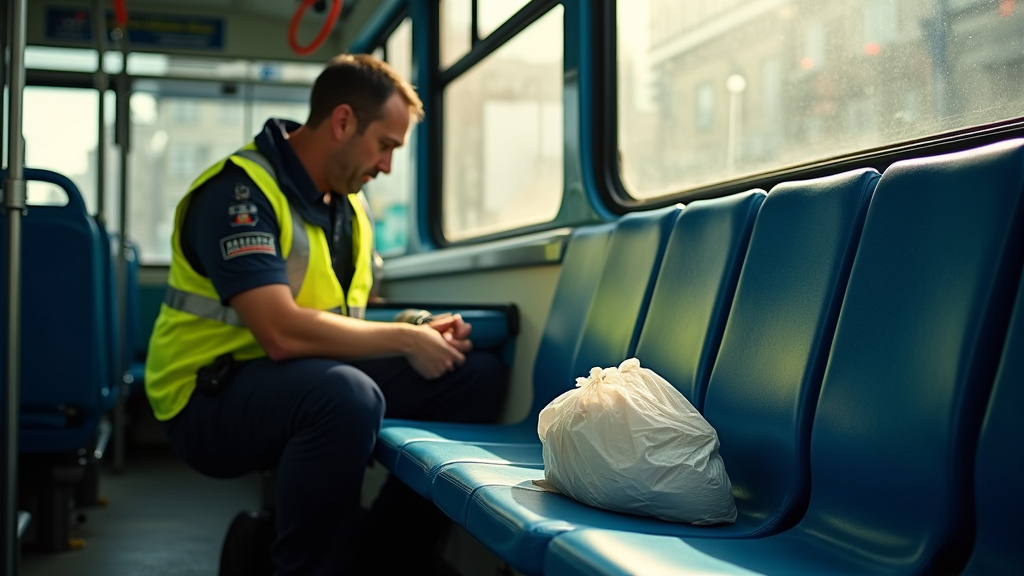
Commuters and transport staff were left stunned during a routine morning route when a monkey was discovered abandoned inside a laundry bag on a London bus, a incident that has now launched a multi-agency investigation into animal welfare, public transit security protocols, and the clandestine reality of the exotic pet trade in the United Kingdom.
Key Highlights
- The Discovery: A member of the public alerted transport staff after noticing a laundry bag moving on a bus, revealing a small primate hidden inside.
- Welfare Status: The monkey, currently being treated by experts, is the subject of an urgent health assessment to determine its origin and condition.
- Ongoing Investigation: Authorities are reviewing CCTV footage from the bus and surrounding transit hubs to identify the individual responsible for abandoning the animal.
- Legal Implications: The incident has reignited public debate regarding the legality and ethics of keeping exotic primates as pets under the Animal Welfare Act 2006.
The Unfolding Incident and Transit Response
The incident, which occurred on a standard London bus route, has been described by authorities as both “disturbing” and “unprecedented” in its blatant disregard for both animal safety and transit regulations. The discovery took place when a fellow passenger noticed the bag, which appeared to be shifting and emitting quiet, distressed sounds. Upon alerting the driver, the bus was stopped, and the bag was safely retrieved. Initial reports from the scene indicate that the monkey—believed to be a common marmoset, a species frequently targeted by the illicit exotic pet trade—was frightened but physically stable.
Transport for London (TfL) has confirmed that they are cooperating fully with the Metropolitan Police and the Royal Society for the Prevention of Cruelty to Animals (RSPCA). The primary focus of the transit security investigation is identifying the owner through high-definition CCTV coverage. Investigators are looking for an individual carrying a large, suspicious laundry bag who boarded the bus during the preceding stops. The logistics of abandoning a live animal on a busy commuter route suggests a desperate attempt by an owner to dispose of a pet they could no longer care for, or perhaps, an attempt to bypass animal welfare regulations.
The Shadow Economy of Exotic Pets
While the sight of a primate on a bus is jarring, it highlights a persistent, often hidden issue in the UK: the exotic pet trade. Marmosets are small, intelligent, and highly social creatures that require complex environments to thrive. They are not domesticated animals, and keeping them in residential settings often leads to severe psychological and physical health issues. Experts have long argued that the UK’s current legislation—primarily the Animal Welfare Act 2006—does not go far enough to restrict the sale and ownership of primates.
When owners realize that the needs of these animals are impossible to meet in a standard home, the transition to ‘dumping’ the animal often becomes a tragic outcome. This incident serves as a grim case study for animal rights organizations, who emphasize that ‘impulse buying’ an exotic animal often results in severe neglect. The monkey found on the bus is now under the care of veterinary professionals, and the focus has shifted to the long-term rehabilitation of the animal, assuming it survives the trauma of abandonment.
Transit Security and Public Safety Protocols
Beyond the ethical concerns, the incident poses a significant question for public transit security. Buses are heavily monitored environments, yet the ability of an individual to bring a living creature onto the vehicle in a concealed bag suggests a gap in standard observation protocols. Transport security teams are now re-evaluating how they train drivers and staff to spot unusual behavior regarding luggage and personal belongings.
While TfL has robust policies regarding luggage, the ‘laundry bag’ concealment method highlights how easily standard security checks can be bypassed. This event will likely lead to updated briefing materials for all bus drivers across the network, focusing on ‘unusual movement’ in luggage as a potential indicator of illicit activity or animal transport, further integrating animal welfare awareness into the broader spectrum of public safety training.
Psychological Impact and Commuter Response
For the passengers present on the bus, the discovery was a deeply unsettling experience. Witnessing the abandonment of a living, sentient creature in such a casual manner has left many commuters calling for stricter regulations on the transport of animals. Public transport is meant to be a neutral, efficient space; the introduction of a distressed exotic animal violated that neutrality and caused significant distress to those present.
Psychologists note that such incidents can have a lasting impact on witnesses, reinforcing a sense of unease within the urban environment. As the investigation proceeds, the public’s focus remains on finding the individual responsible and ensuring that justice is served for the animal, which has become a symbol of the broader negligence surrounding the exotic pet industry.
FAQ: People Also Ask
1. Is it legal to keep a monkey as a pet in the UK?
Yes, it is currently legal to keep certain species of primates as pets in the UK, including marmosets, provided they are kept in conditions that meet their welfare needs under the Animal Welfare Act 2006. However, there is ongoing legislative pressure to ban primate ownership entirely.
2. What should I do if I find an abandoned animal on public transport?
If you find an animal on a bus or train, do not touch or attempt to handle it if it is wild or exotic. Alert the driver or transit staff immediately, maintain a safe distance, and contact the RSPCA or local animal control.
3. Will the person who abandoned the monkey face charges?
If identified, the individual will likely face charges under the Animal Welfare Act 2006, which covers causing unnecessary suffering to an animal. Penalties can range from heavy fines to imprisonment and potential bans from owning animals.
4. Where is the monkey now?
Following the rescue, the monkey was transferred to a specialized veterinary facility where it is undergoing health assessments and receiving care from experts in primate behavior and rehabilitation.